Descripción
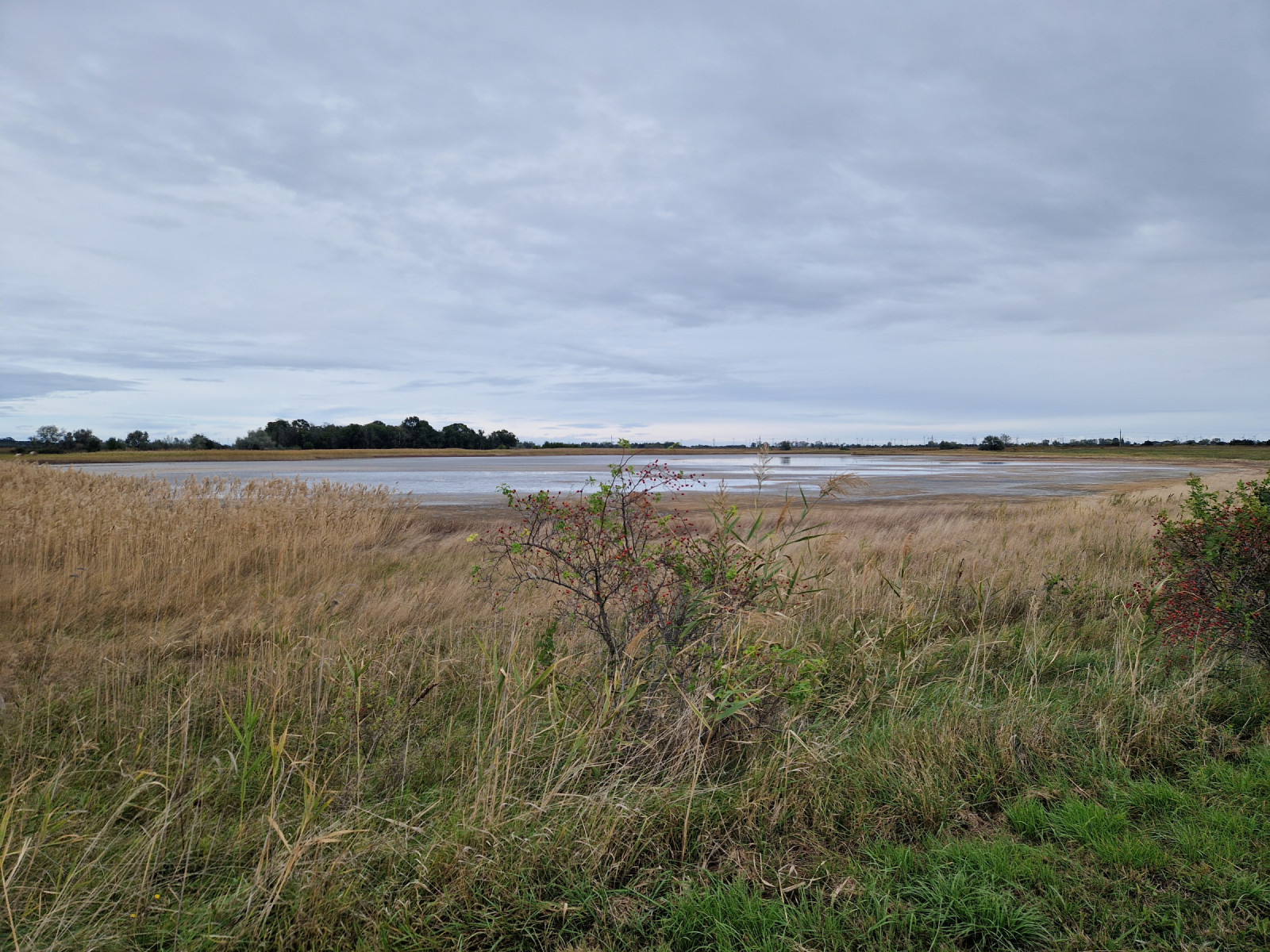
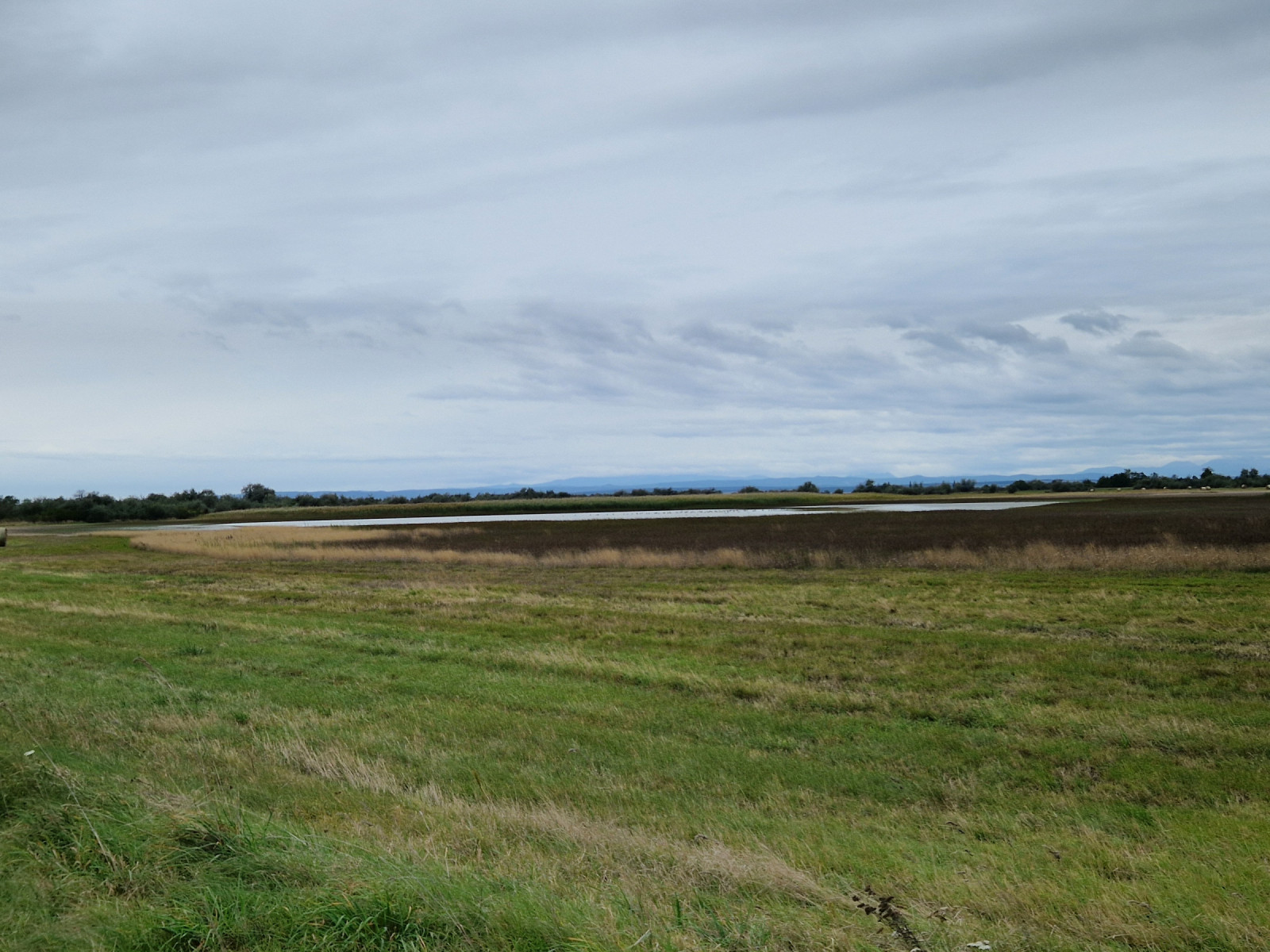
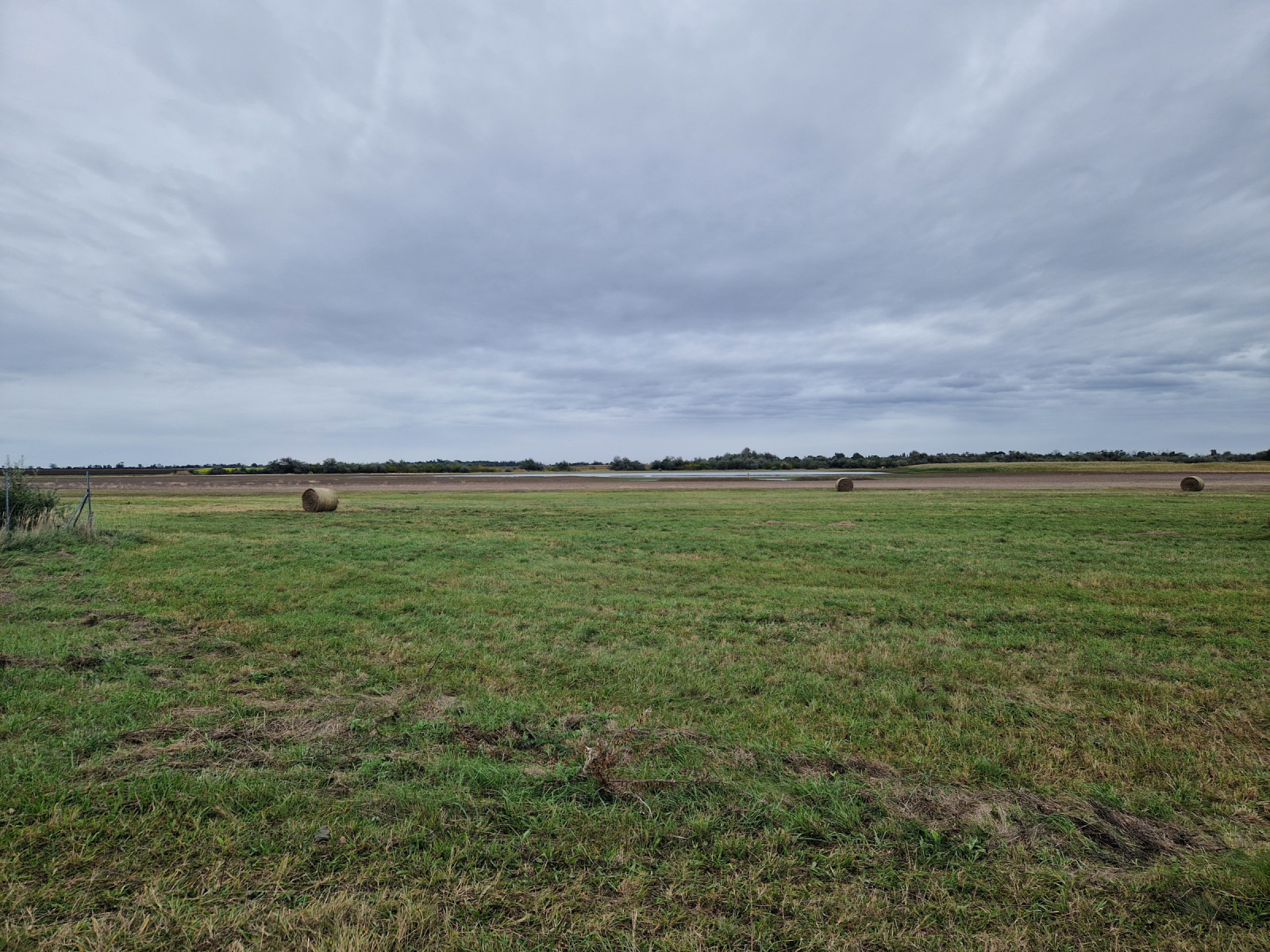
Although nearly 200 bird species have been recorded here, those two Lacken (alkaline ponds) are not mentioned in major birdwatching guides to the Seewinkel (such as those by Christoph Roland or Leander Khil), likely because the region boasts many even more attractive sites.
Still, the two Lacken described here are worth visiting. They have yielded notable sightings including Archibebe Fino, Correlimos Pectoral, Barnacla Carinegra, Barnacla cuelliroja, Pagaza Piconegra, and even a Avefría Sociable. The variable water levels create broad silting zones that attract numerous waders such as Zarapito Real, Archibebe Común, Correlimos Común, and others during migration.
Geese and ducks like Silbón Europeo, Tarro Blanco, and Ánsar común are regulars, and in autumn or winter, Ánsar careto and occasionally Ánsar chico can be found feeding in nearby fields. The surrounding fields and scrub also support breeding Alcaudón Dorsirrojo, Curruca Zarcera, and possibly even Curruca Gavilana, while Bisbita Gorgirrojo appear regularly in autumn and Alcaudón Norteño stays for the winter.
Best viewing is from the south for Ochsenbrunnenlacke and from the southeast (in evening light) for Birnbaumlacke.
Detalles
Accesso
Ochsenbrunnenlacke and Birnbaumlacke are located southwest of Frauenkirchen and south of Podersdorf am See. There are many gravel and dirt roads that can be reached by bicycle, some also by car. Due to the strong winds, an e-bike is recommended.
Terreno y habitat
Humedal , Agricultura , Pradera , Pisos de barroCondiciones
PlanoCamino circular
Sí¿Se necesita telescopio?
SíBuena época para el avistamiento de aves
Todo el añoMejor momento para visitar
Migración de primavera , Migración de otoñoRuta
Camino sin asfaltar , Camino estrechoCamino difícil de andar
FácilAccesible vía
A pie , Bicicleta , CocheEscondite de observación / plataforma
NoInformación extra
For general descriptions of the area see the books mentioned above and the birdingplaces to the south described on this website. Because of the great distances, a scope is definitely necessary. Not all roads are made for delicate bicycle tires.


 ) insertar los nombres de aves en tu propio idioma. ¡Los nombres de las aves serán traducidos automáticamente para otros usuarios!