


Descripción
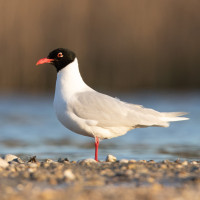
Altenwörth hydropower plant is one of several big powerstations along the river Danube in Lower Austria. This birdwatching spot is especially famous for its diversity of waterfowl species but can also hold many other interesting species. From late summer till early winter it holds one of Austrias biggest gull roosts. It is recommended to visit within one hour before sunset to check the arriving flocks of Gaviota Patiamarilla and Gaviota del Caspio for scarcer species. Gaviota argéntea europea and Gaviota sombría are seen regularly in small numbers and even rarieties like Gavión Atlántico or Gavión Hiperbóreo have been spotted here. In winter the place holds one of the biggest gathering places for Silbón Europeo, while Cerceta Común is seen in bigger flocks during migration. Colimbo Ártico, Colimbo Chico, Zampullín Cuellirrojo and Cisne Cantor are a few of the scarce wintering visitors sometimes seen here.
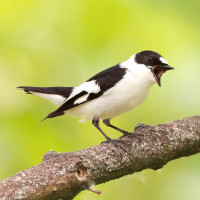
During times of low water level on the Danube, a big mudflat emerges at the end of the old Danube arm. It provides nice numbers of waders especially during peak migration season but can account for surprises throughout the year. The surrounding riparian forests are intensely used but are nevertheless full of interesting woodland species such as Picamaderos Negro, Pico Mediano, Pico Menor or Papamoscas Acollarado. If you also keep your eyes on the sky, you may spot some of the regularly occuring raptors like Pigargo Europeo, Águila Imperial Oriental, Halcón Peregrino, Halcón Sacre and Alcotán Europeo.
Detalles
Accesso
The spot is easily accessed by car, but can also be reached by bike from Kirchberg train station (7 km) or Absdorf train station (13 km). In the village of Altenwörth you follow the signs pointing out "WSCA Yachthafen" and you will reach a parking directly at the cutoff branch (the "old Danube"). You must leave your car here, you are not allowed to use motorized vehicles (except of e-bikes) on any of the tracks. There is a paved footwalk to the power station, which crosses the cutoff and is flooded during high water of the Kamp river, whichs enter the cutoff lake. It is not recommended to do the crossing during severe floods, but if it's only a few centimeters of water, walking through on bare feet should be fine. Different other forestry tracks can be used for discovering the area. The most important are highlighted on the map.
Terreno y habitat
Bosque , Humedal , Pisos de barro , Lago , Pradera , Árboles y arbustos dispersos , Río , CañizosCondiciones
Plano , Nivel del agua alto probableCamino circular
Sí¿Se necesita telescopio?
SíBuena época para el avistamiento de aves
Todo el añoMejor momento para visitar
Migración de primavera , Migración de otoño , Invierno , Primavera , OtoñoRuta
Camino pavimentado , Camino ancho , Camino sin asfaltar , Camino estrechoCamino difícil de andar
FácilAccesible vía
A pie , BicicletaEscondite de observación / plataforma
NoInformación extra
For checking the recent sightings as well as for submitting your personal sightings at this place, www.ornitho.at (see link below) or the app "NaturaList" is recommended. Data submitted is used by BirdLife Austria for monitoring, research and bird protection measures.



 ) insertar los nombres de aves en tu propio idioma. ¡Los nombres de las aves serán traducidos automáticamente para otros usuarios!