Descripción
Yalukit Willam Nature Reserve is a small park to either side of the Elster Creek. On the northern side is an ephemeral wetland - a chain of ponds and billabongs, a wildflower meadow, and scattered patches of shrubs and trees. The diversity of flora and fauna present in the reserve is simply incredible: eels, turtles, swamp rats, critically endangered Growling Grass Frogs, an enormous diversity of butterflies, moths, and insects, and all kinds of locally indigenous plants extirpated from the wider region.
Although it can be difficult to spot birds in this reserve, especially without guidance from locals, it is worth visiting as an in-progress rewilding project and an example of Melbourne's indigenous wetland landscape, habitat, and environment. As the plantings continue to mature, more bird species are expected to return to the reserve - including target species like the Superb Fairywren . If your interests extend to ecology and rewilding projects, this reserve is a must-see.
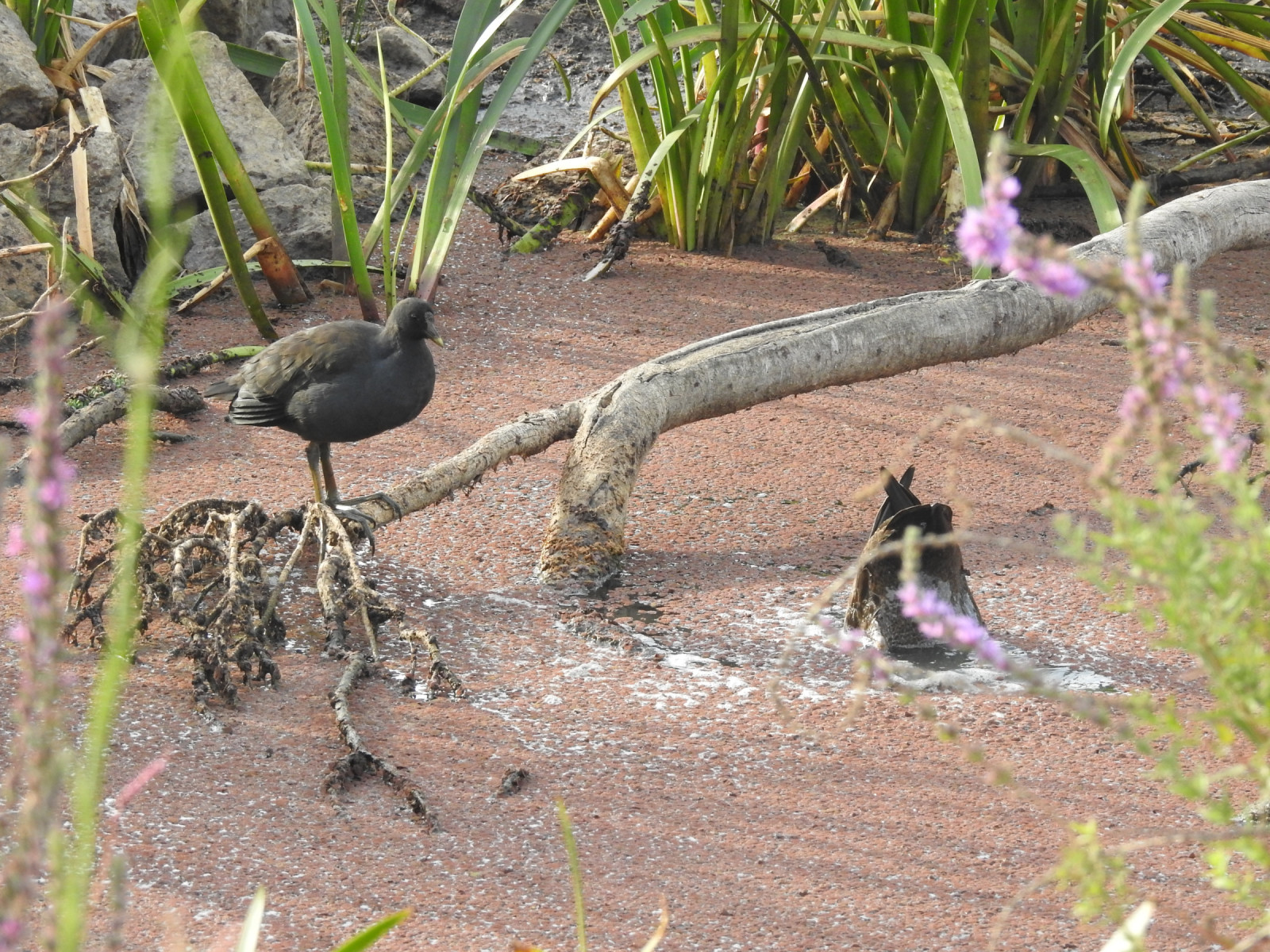
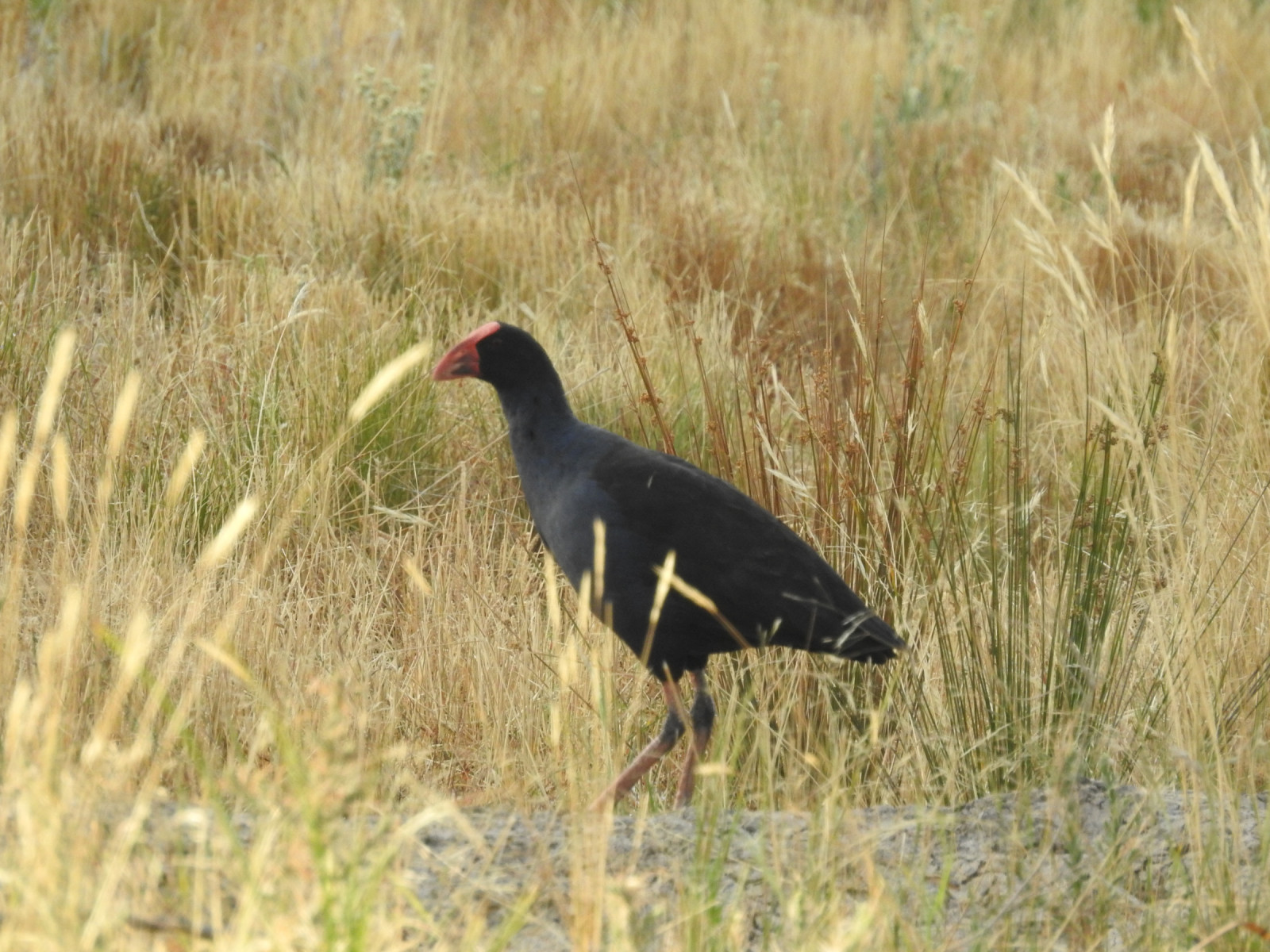
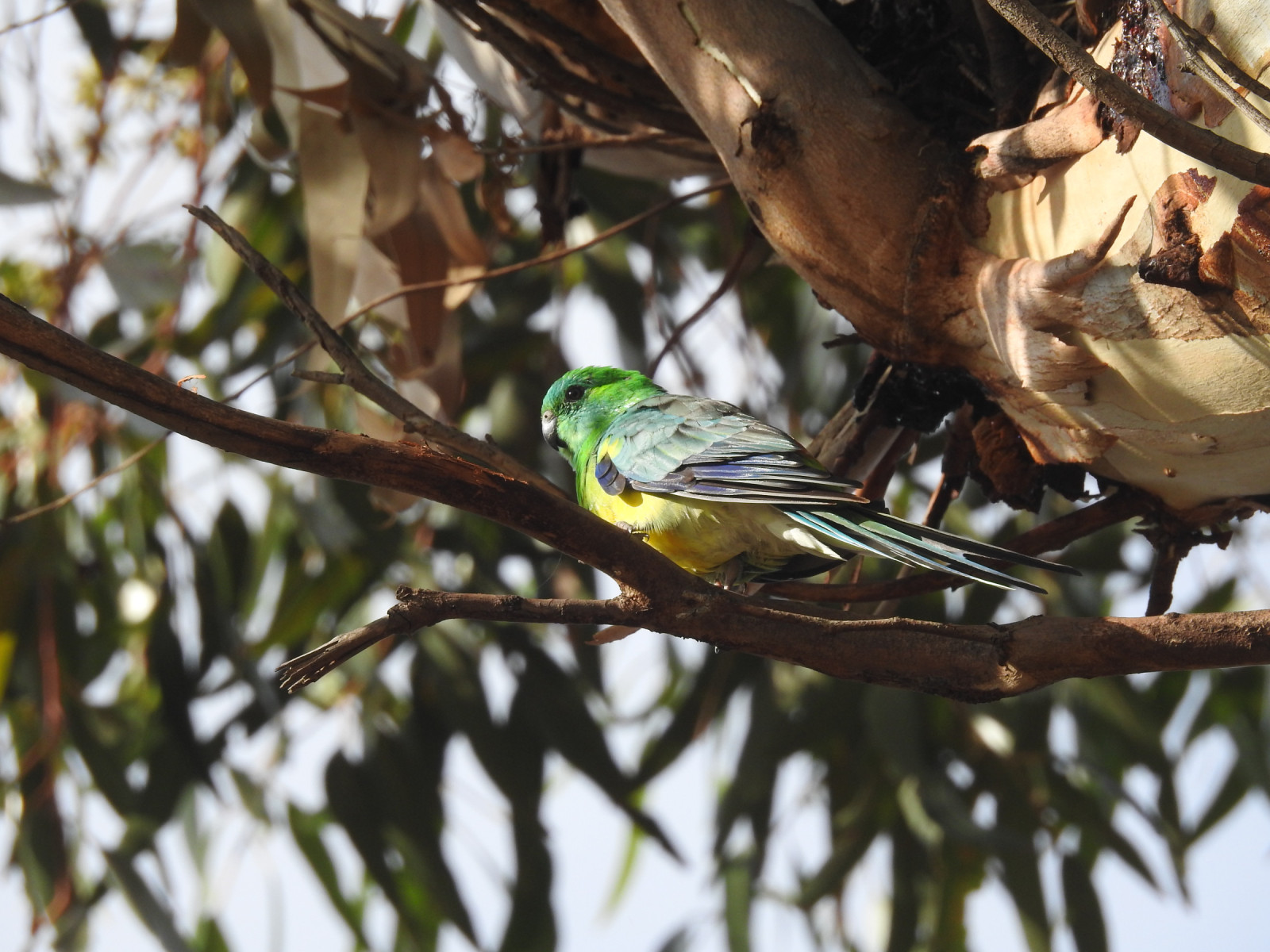
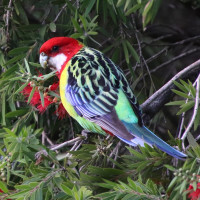
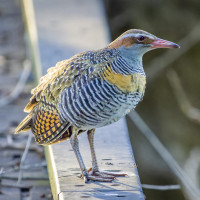
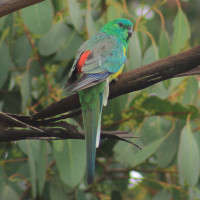
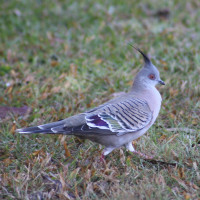
On the bird side, the elusive Buff-banded Rail and Spotless Crake are possible, but not likely, alongside a small complement of Melbourne's wetland birds (Australasian Swamphen, Dusky Moorhen , Chestnut Teal , Grey Teal , Pacific Black Duck). On the land side, Noisy Miner are widespread, but there are also Eastern Rosella , Red-rumped Parrot , Crested Pigeon , and a resident family of Tawny Frogmouth . Flyovers and visits by Black-shouldered Kite and other raptors are also highlights.
The southern side of the creek is currently inaccessible as it goes through its own transformation, but you might spot Australasian Grebe in the visible parts. Watch this space!
Detalles
Accesso
Yalukit Willam Nature Reserve is located in Elsternwick in Melbourne's south-east suburbs, and is generally easiest to access by car (although finding a carpark can be very difficult!) Press P on the map for directions.
The 67 tram stops at the north-east corner of the reserve, while the 606 and 923 buses stop at the south-west corner. The Sandringham train line stops about a 10 minute walk away from the reserve.
The area is best explored on foot; there are several sequences of stepping stones which are rather fun, but not bike (or wheelchair) friendly. These can be detoured around, but the layout can be confusing, and due to the newness of the park maps are not readily available. Pay attention to fenced off areas and new plantings - this reserve is still being worked on, and new plants need time to establish.
Allow half an hour to an hour, depending on how extensively you intend to explore.
 ) insertar los nombres de aves en tu propio idioma. ¡Los nombres de las aves serán traducidos automáticamente para otros usuarios!