Descripción
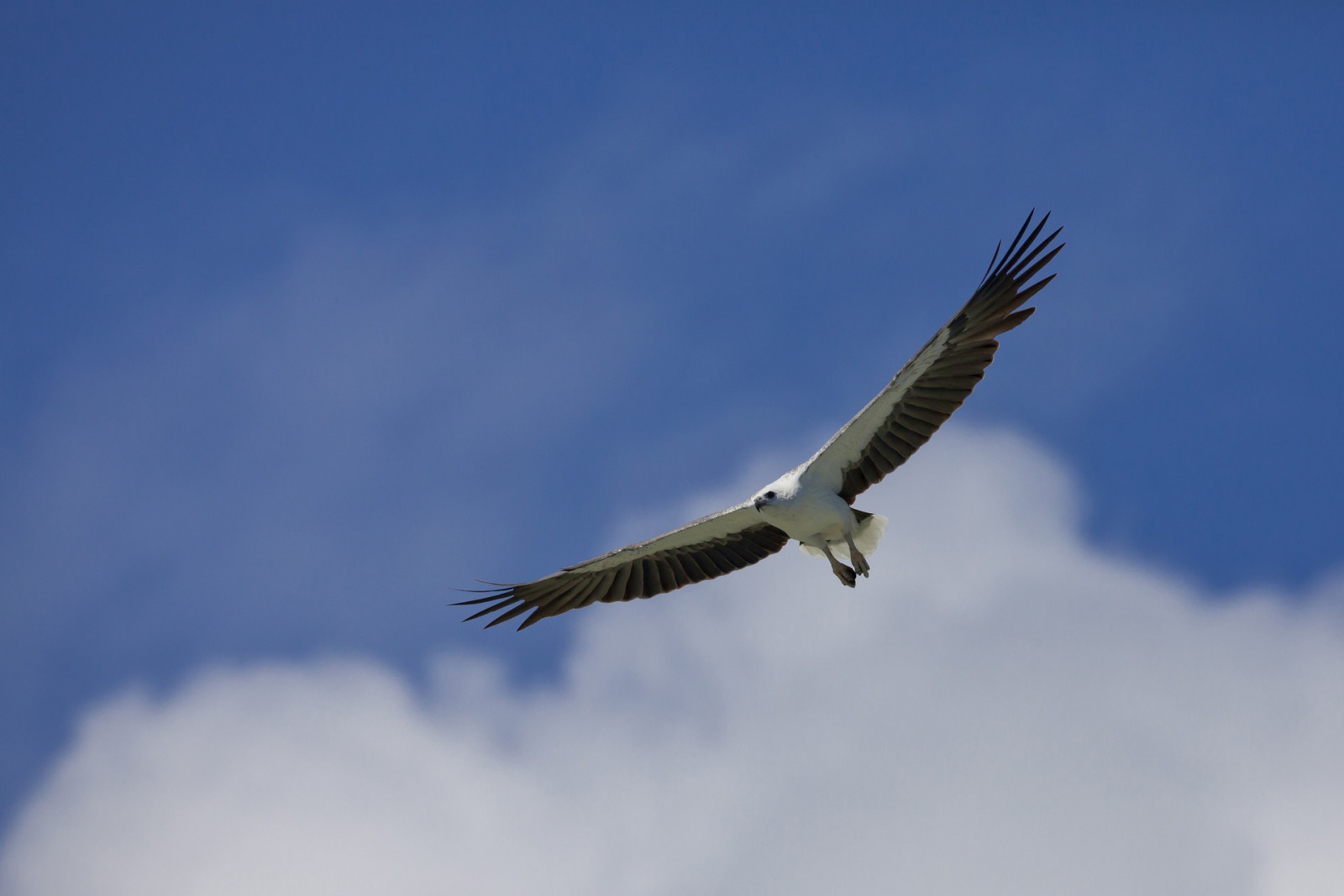
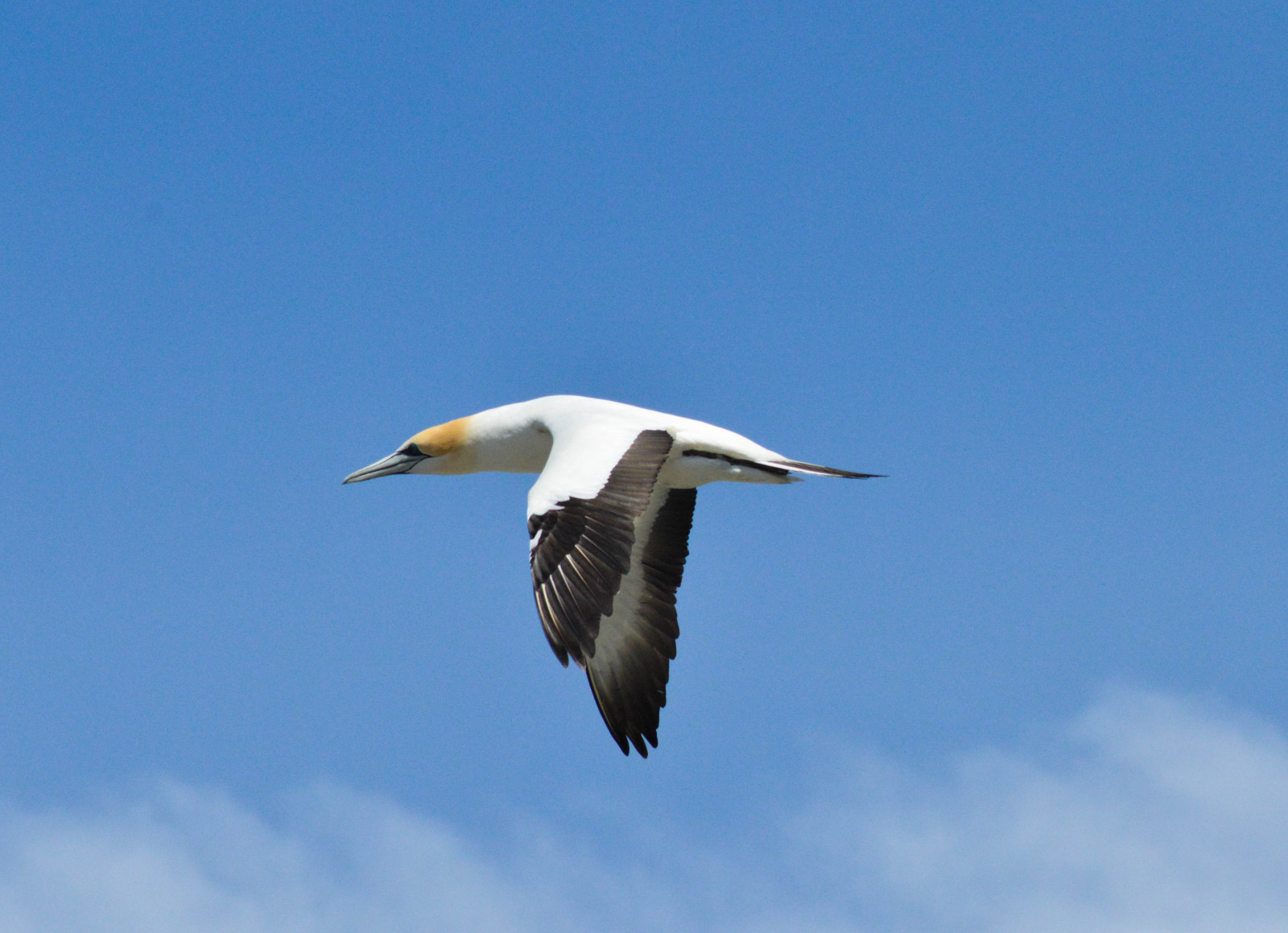
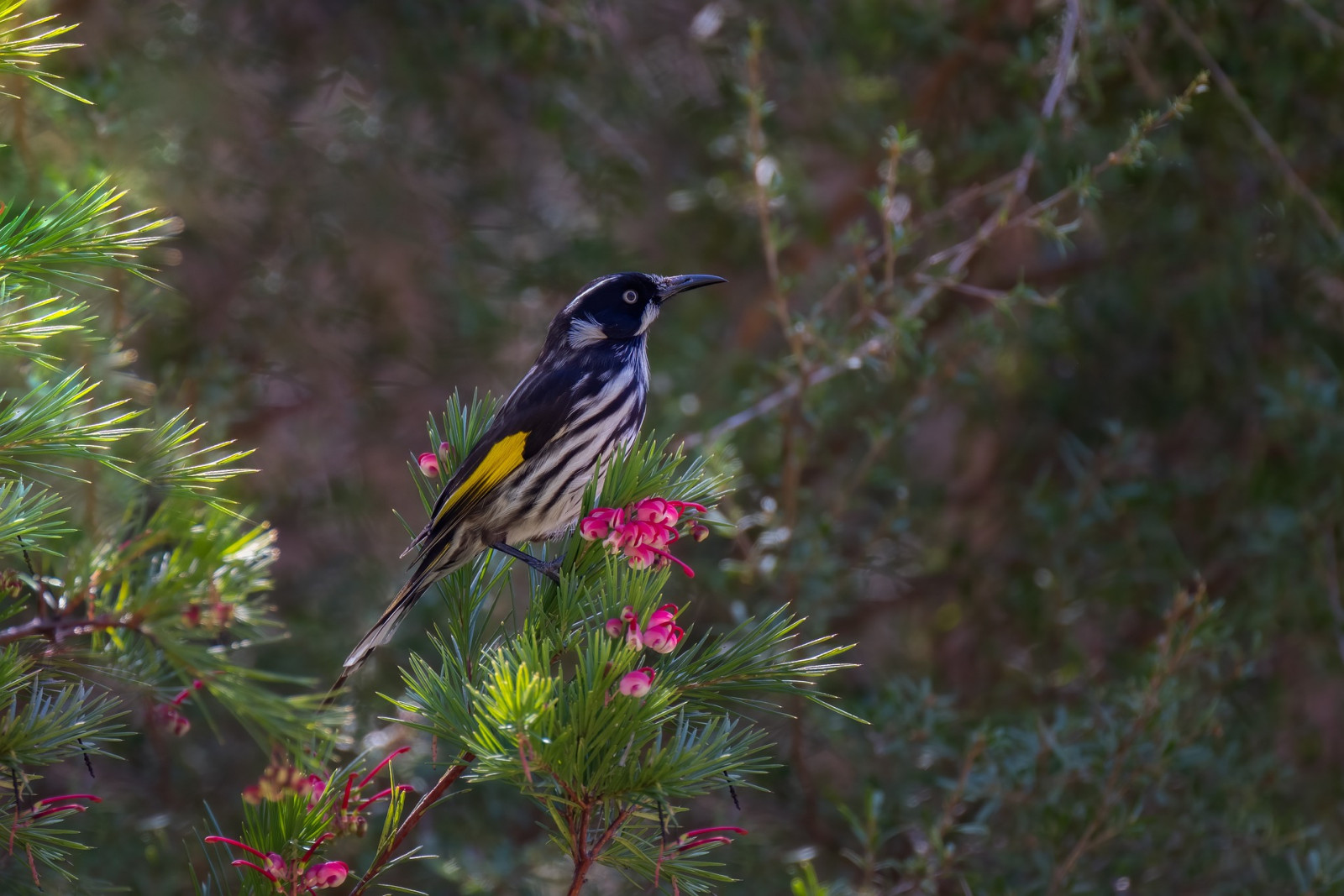
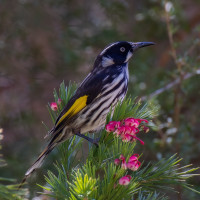
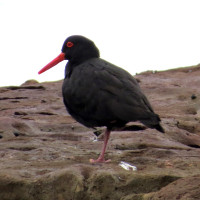
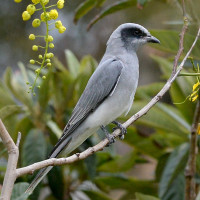
Due to the diversity of vegetation and habitats Wallarah National Park attracts a mix of forest birds and sea birds. There are several trails to explore the park. From the end of Spoon Rocks Road at Caves Beach, the Wallarah coastal walk meanders through heath and forest to the headland south of Pinny Beach. Birds you can spot include, gulls, terns, cormorants, herons, Sooty Oystercatcher, Australasian Gannet, White-bellied Sea-Eagle, Rainbow Lorikeet, Superb Fairywren, Black-faced Cuckooshrike, New Holland Honeyeater and Eastern Whipbird.
Detalles
Accesso
Wallarah National Park is located just east of Lake Macquarie, 2 km from Swansea, 30 km south of Newcastle and 120 km north of Sydney. From Swansea from the Pacific Highway, turn left onto Bowman Street. Continue along into Park Avenue and turn right onto Caves Beach Road. Continue until you reach the locked gate at the end of Spoon Rocks Road. Press P on the map for directions. Please note that vehicles and motorcycles are prohibited in Wallarah National Park so you'll need to park outside the gates.
Wallarah National Park offers several scenic walking trails. The most notable is the 'Coastal walking track' (marked 1 on the map), which links Caves Beach to the headland just south of Pinny Beach. This return trail offers dramatic cliff-top views over the Pacific Ocean and spans 5 km. It typically takes around 2.5 hours to complete. Another option is the 'Yondeo trail', a versatile path suitable for both walking and cycling. It winds through coastal forest and heathland. The 'Scenic trail' is a more challenging route, with steep sections that reward hikers with panoramic views of the rugged coastline.

 ) insertar los nombres de aves en tu propio idioma. ¡Los nombres de las aves serán traducidos automáticamente para otros usuarios!