
Descripción
Pierces Creek Forest is an expansive revegetation area covering the wooded plains south of the Cotter River, bordering the intact forests in Namadgi National Park. Largely comprised of scrubland, the area has locally significant patches of heathland, as well as dry hill forest on the western boundary. However, much of the area is dominated by invasive species, especially in the northern part of the site.
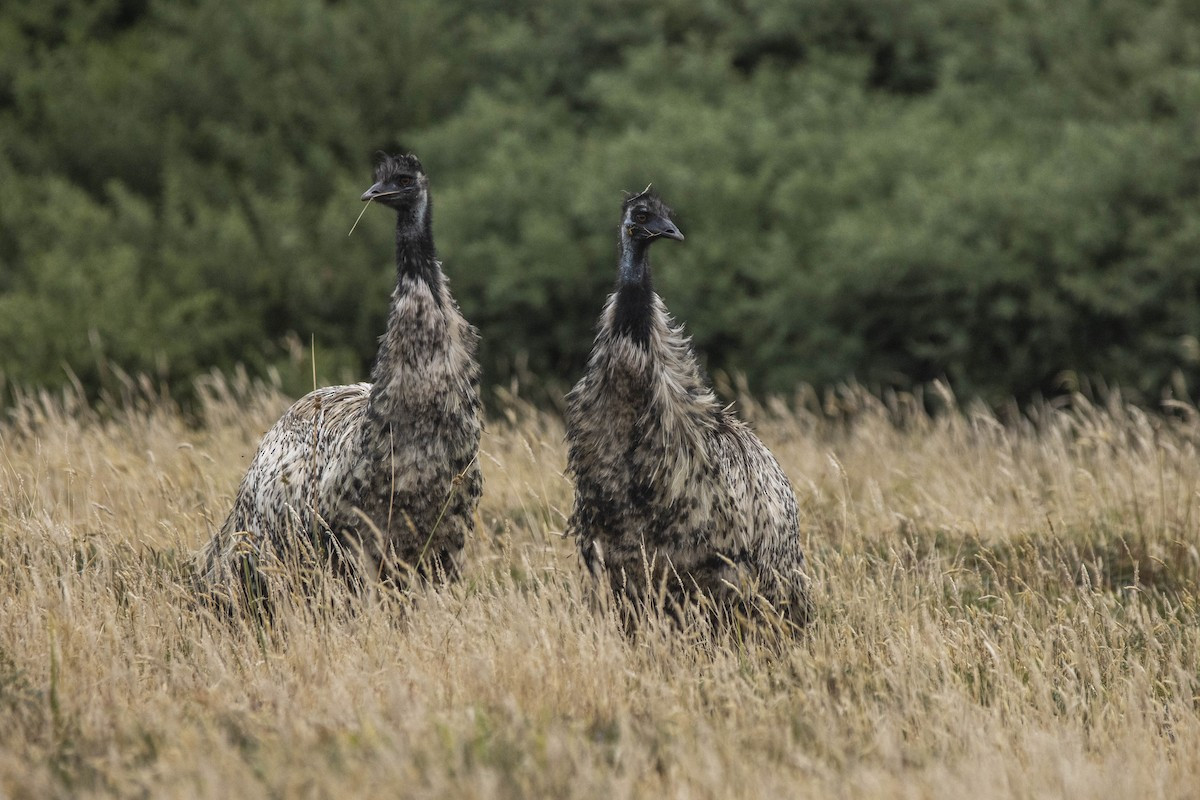
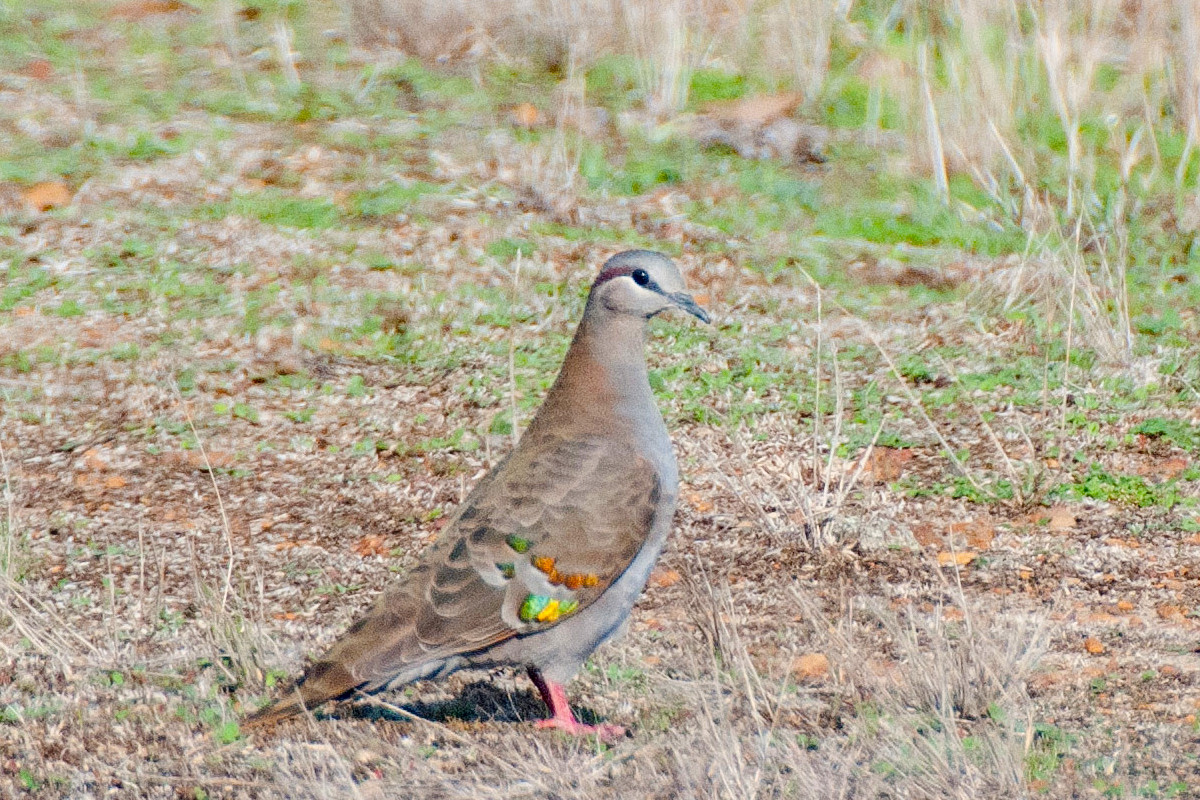
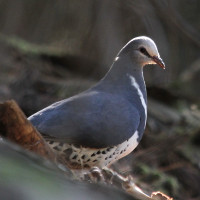
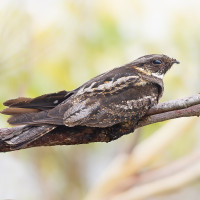
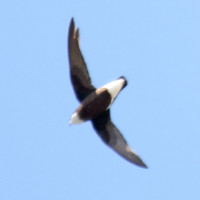
The area is one of the few sites in the region for Spotted Quail-thrush, Emu, Brush Bronzewing and White-throated Nightjar, and is also good for Wonga Pigeon, Scarlet Robin and Crescent Honeyeater. Great Crested Grebe can occasionally be seen from Concrete road in the dam below.
Detalles
Accesso
The forest is best accessed by taking the Cotter Rd west from Canberra, before continuing on to Paddy's River Rd. After crossing the Cotter River below the dam, continue for 2.6 kilometres and turn right onto the unsealed Laurel Camp Rd. Once on the unsealed track, continue for 1.4 kilometres before turning right onto East-West Break Rd, at the end of which is a steep hill with a parking area. The tracks immediately across the metal barrier here are good for Spotted Quail-thrush, while both bronzewings and Wonga Pigeon can be seen on the roadside.
Alternatively, one can turn right from East-West Break Rd at 1 km and drive north for another 2 kilometres to reach concrete road and pierces creek crossing. Emu are often seen along this road, and at dusk the track running above the dam to the north of here is good for White-throated Nightjar in late February.
Press on a P in the map for directions to the area you want to visit.
Terreno y habitat
Bosque , Árboles y arbustos dispersos , Brezales , LagoCondiciones
Montañoso , Rocoso , SecoCamino circular
No¿Se necesita telescopio?
Puede ser útilBuena época para el avistamiento de aves
Verano , Otoño , PrimaveraMejor momento para visitar
Migración de otoño , PrimaveraRuta
Camino sin asfaltarCamino difícil de andar
Caminata mediaAccesible vía
Coche , A pieEscondite de observación / plataforma
NoInformación extra
While the roads in this area are unsealed, the main routes outlined above are suitable for 2WD access, except after heavy rain.
 ) insertar los nombres de aves en tu propio idioma. ¡Los nombres de las aves serán traducidos automáticamente para otros usuarios!