Descripción
This coastal headland in eastern Victoria has about 212 species recorded.
In the eucalyptus forests these birds are very likely: Little Wattlebird & Red Wattlebird , Golden Whistler , Grey Shrikethrush , New Holland Honeyeater , White-naped Honeyeater , Yellow-faced Honeyeater , Eastern Spinebill , Eastern Yellow Robin , White-browed Scrubwren , White-throated Treecreeper , Silvereye , Pied Currawong , Laughing Kookaburra , Brown Thornbill , Grey Fantail , Spotted Pardalote and Eastern Whipbird . Fairly likely are Crescent Honeyeater , Lewin's Honeyeater , Eastern Shrike-tit and Australian King-Parrot . Scarlet Honeyeater and Dusky Woodswallow are likely in spring and summer. Less likely, but possible are Gang-gang Cockatoo (all year), Leaden Flycatcher , White-winged Triller and Olive-backed Oriole (spring & summer).
In tea-tree scrub near the coast, especially in winter, watch out for Bassian Thrush - they are erratic, in good numbers some years and absent in others. They will be on the ground, and can stay very still, so are easily overlooked. I've had most sightings on the track from Joiners Channel to East Cape.
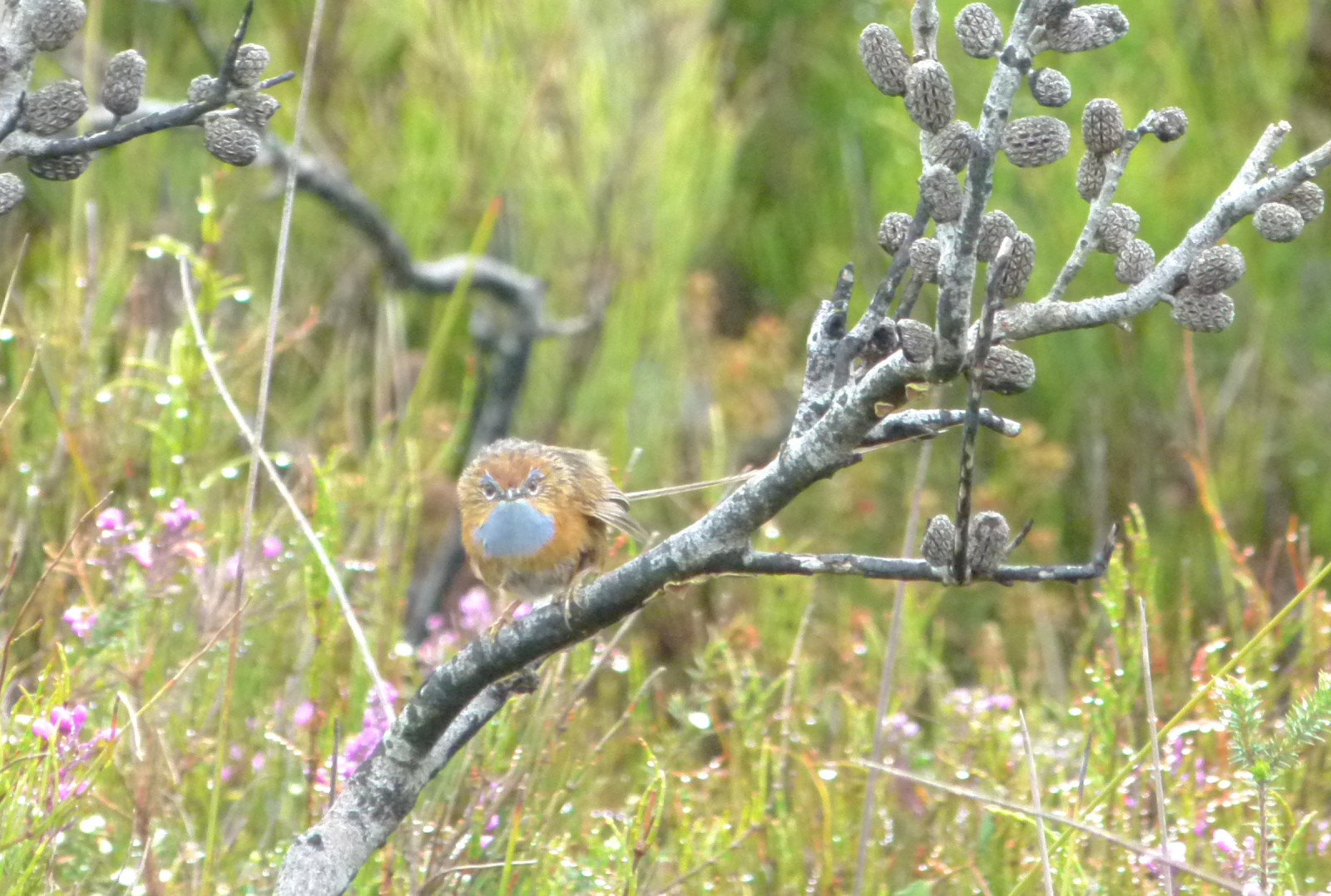
In heathy grassy areas inland watch for Turquoise Parrot (spring, summer) and Southern Emuwren.
The grasstree plains on Yeerung River Road are worth some time if they are flowering, which occurs after fire. They attract nectarivores large and small: from Eastern Spinebill & Musk Lorikeet to Yellow-tailed Black-Cockatoo.
Fan-tailed Cuckoo can be seen perching on powerlines, mostly in spring, but they are there pretty much year round.
At sea or on the beach you would have trouble missing Silver Gull , and Greater Crested Tern , Pied Oystercatcher , Great Cormorant , Little Black Cormorant, Little Pied Cormorant and White-bellied Sea-Eagle are likely. Hooded Plover are still quite possible here, especially to the east, when the beaches are quiet.
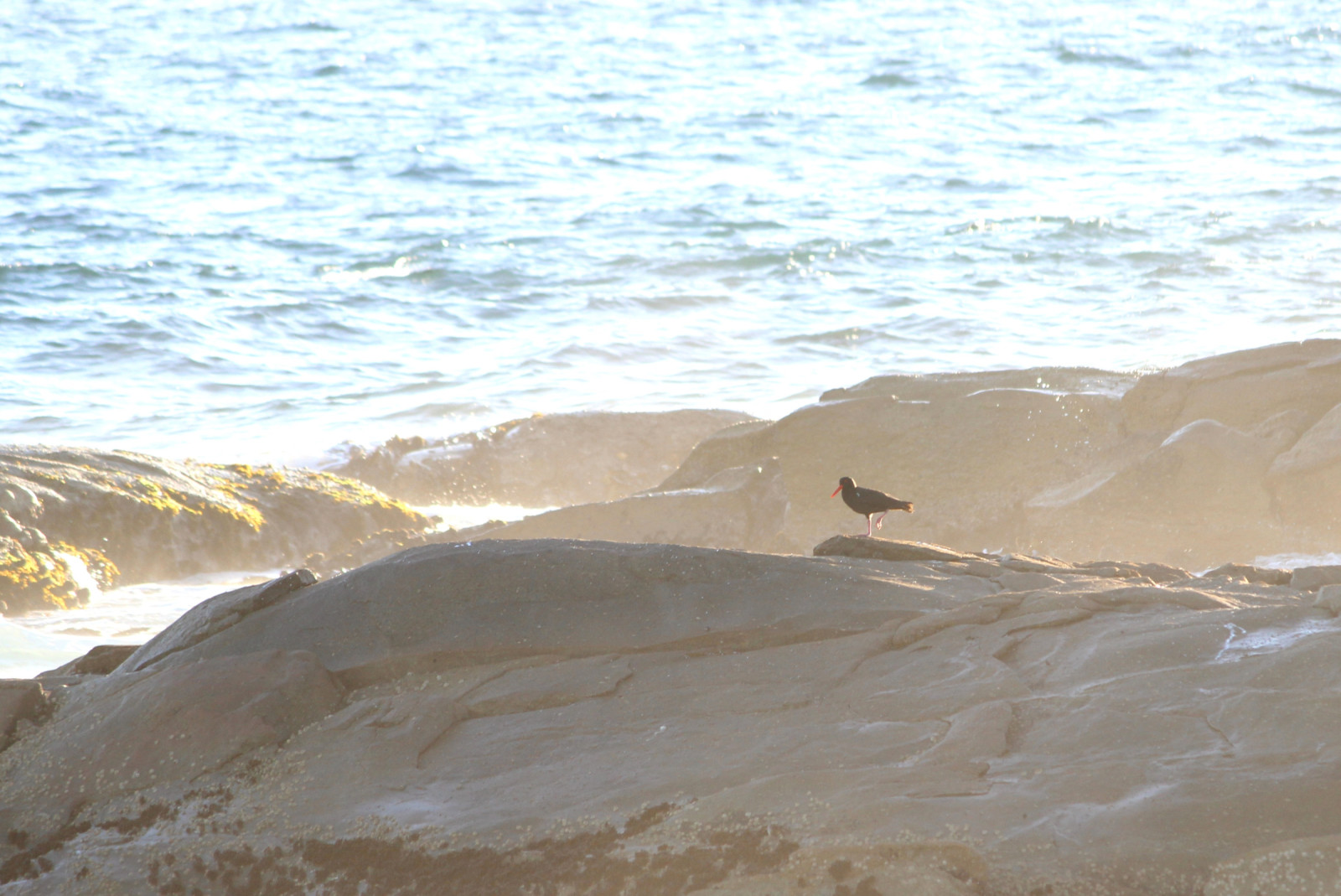
On the rocks, watch out for Sooty Oystercatcher and very rarely Eastern Reef Egret. This is also a great spot for a seawatch! Australasian Gannet is likely and Short-tailed Shearwaterfrom October to March. Shy Albatross or Black-browed Albatross might be seen way out to sea, or occasionally a Wedge-tailed Shearwater is seen too.
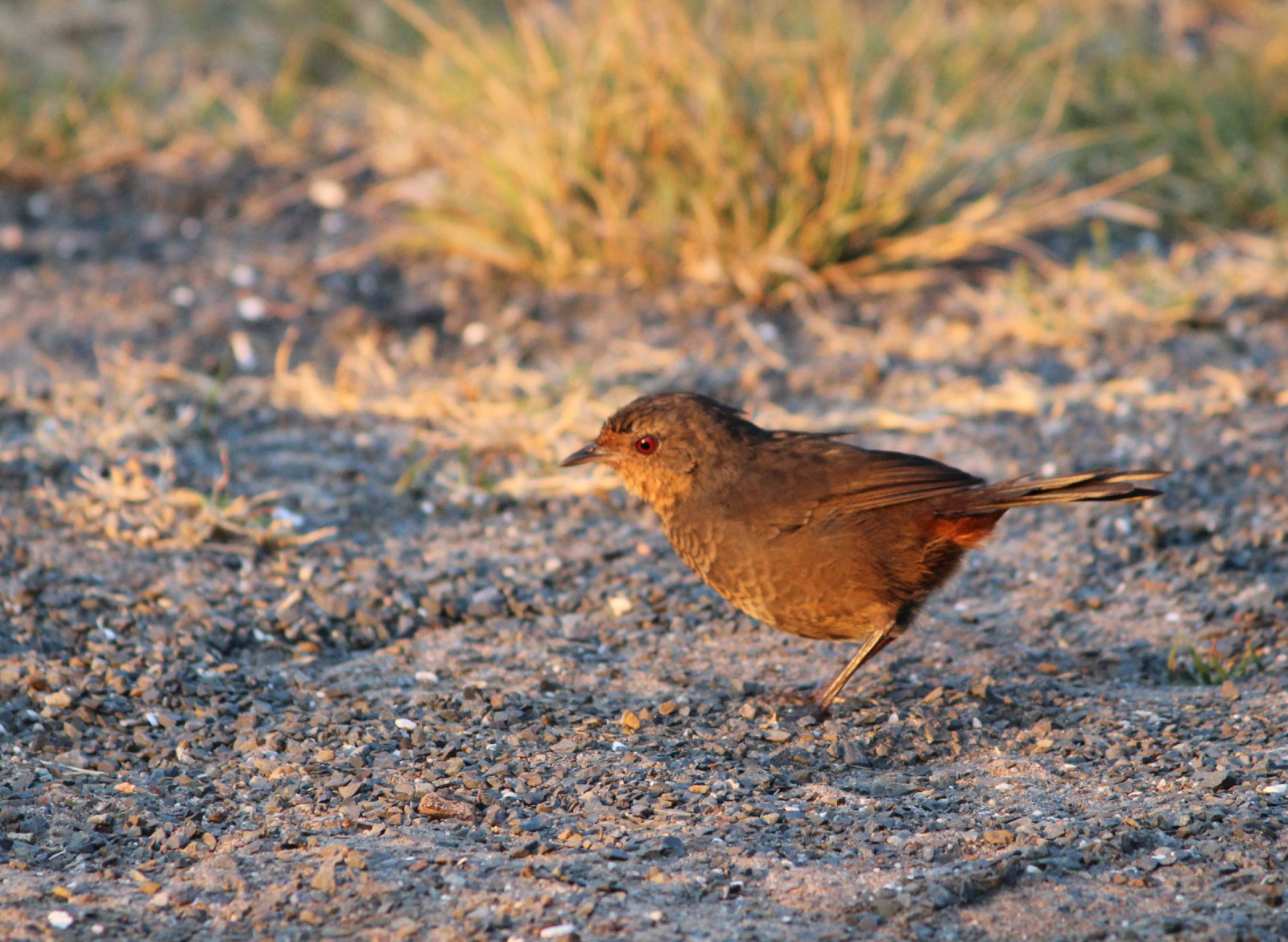
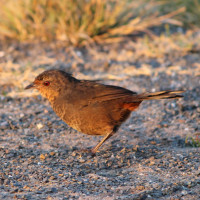
Spend some time in the early evening at the picnic tables at West Cape and Joiners Channel. I used to love having sundowners or early dinner here. Several times we saw Pilotbird emerge from the scrub and forage in the open! Some evenings there were 4 or 5 of them, pecking about. Early mornings could be good too.
A nocturnal walk/drive is recommended and could yield Tawny Frogmouth, Australian Owlet-nightjar and a fair chance of Australian Masked-Owl or White-throated Nightjar . Even Sooty Owl has been recorded. You might find a Bare-nosed Wombat or Long-nosed Bandicoot on the grass, or Common Brushtail Possum or Common Ringtail Possum in the trees. I once saw a gorgeous grey-morph Grey Goshawk roosting.
Detalles
Accesso
Cape Conran is in East Gippsland, 35 km from Orbost.
Best access is by car. There are two roads in: from Marlo to the west, another from the Princes Highway/Palms Track north. Both routes have advantages. From Marlo you can stop at MOTS Beach, Frenches Narrows and Point Ricardo, or divert onto Marlo Plains Road for excellent wallaby and kangaroo sightings. Or, from Princes Highway you travel through nice tall coastal forest, with chances of Lace Monitor or Emu, or you can divert onto Palms Track for a walk in the excellent Cabbage Tree Palms Reserve. Either route takes you past some grassy areas with a chance of Turquoise Parrot .
Press P on the map for directions.
Several excellent walking tracks are available from West Cape, East Cape/Sailors Grave, and Banksia Bluff Campground. Further east there are some excellent walks at Yeerung River (separate listing).
You can stay at Banksia Bluff Campground (bookings required, may be difficult at peak times). There were some cabins, but they were burnt in the Black Summer and are currently being replaced. There are also 3 non-bookable free campsites up the coast a bit. See the link for details. There are also two private accommodation/camping parks nearby.
Terreno y habitat
Bosque , Mar , Playa , Dunas , BrezalesCondiciones
PlanoCamino circular
Sí¿Se necesita telescopio?
Puede ser útilBuena época para el avistamiento de aves
Todo el añoMejor momento para visitar
Primavera , VeranoRuta
Camino estrecho , Camino pavimentadoCamino difícil de andar
FácilAccesible vía
A pie , Coche , BicicletaEscondite de observación / plataforma
NoInformación extra
The park suffered from severe bushfires in the Black Summer of 2020. About 80% of Cape Conran was burnt. Further east and inland, a lot of rich bird habitats were destroyed - there were fears that entire populations of birds may have been lost from the state. Many species were affected, leading to big gaps in sightings of some species from 2020 to 2022-2024. At time of writing (2026) it appears that some of those birds have started to recover. Ground Parrot, Southern Emuwrenand Beautiful Firetail are starting to be seen again.


 ) insertar los nombres de aves en tu propio idioma. ¡Los nombres de las aves serán traducidos automáticamente para otros usuarios!