Descripción
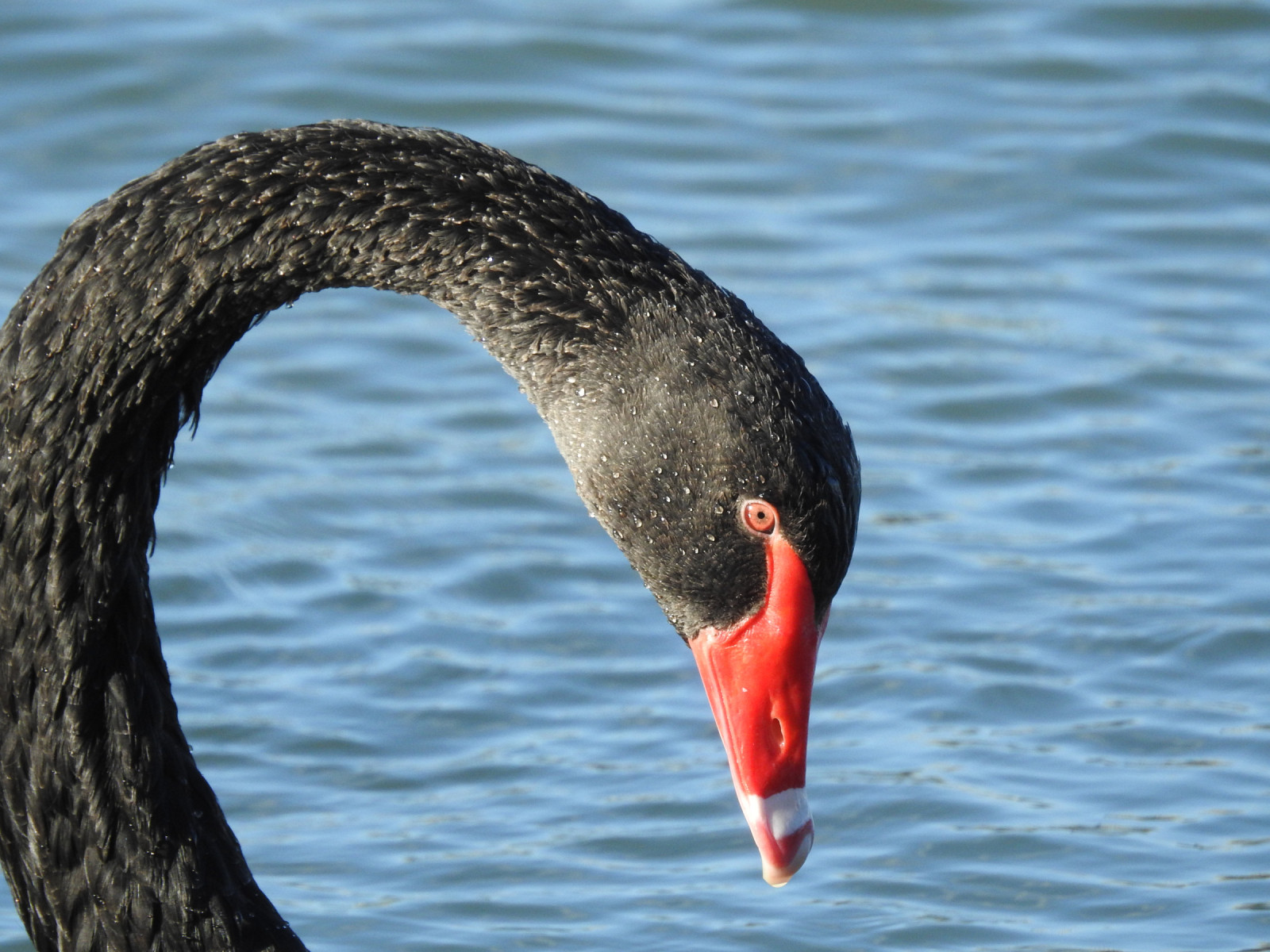
Albert Park Lake is a shallow but permanent lagoon with a resident population of the iconic Black Swan among many other wetland birds. The lake has two islands, Gunn Island and Mud Island, as well as two stormwater treatment ponds (reedbeds/wetlands), which are home to a large number of waterfowl, while the surrounding parkland, golf course, and sporting fields are frequented by common urbanised species.
The birds at Albert Park Lake are among the most well-adjusted of urban birds, and are so comfortable with human presence that they can be readily seen and photographed from close-by. The scenery is very open and birds are readily visible - ideal for beginner birdwatchers - while birders with a keen eye (and ear) can spot a wide variety of species (30+ per visit).
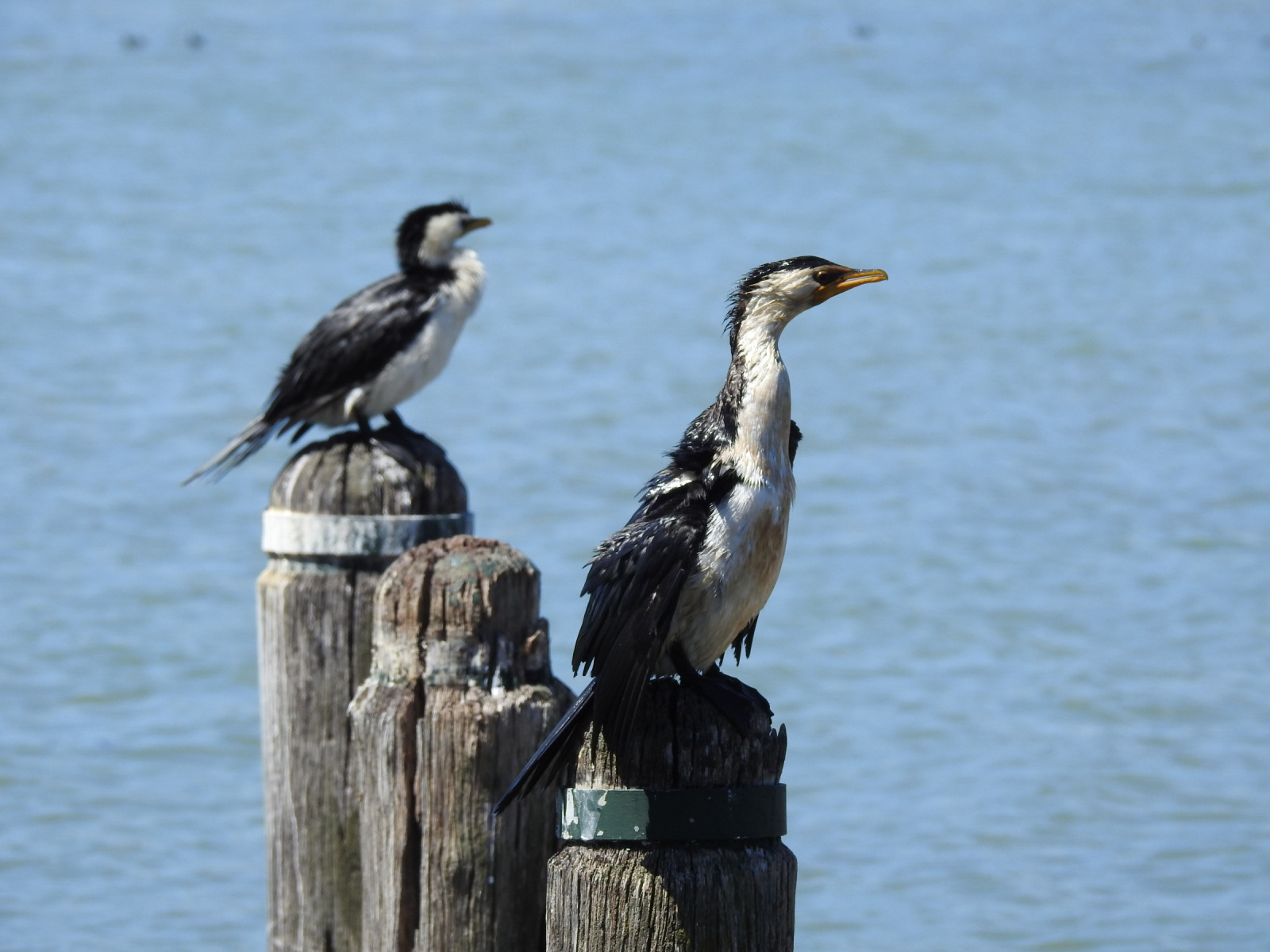
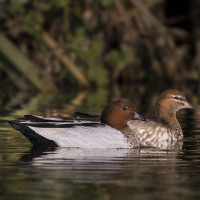
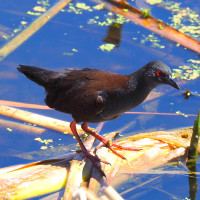
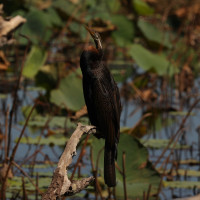
Waterfowl include: ducks ( Australian Wood Duck, Pacific Black Duck , Grey Teal , Chestnut Teal ), gallinules ( Spotless Crake, Eurasian Coot , Dusky Moorhen , Australasian Swamphen), grebes (Great Crested Grebe , Australasian Grebe) and cormorants/anhingas (Australasian Darter , Little Pied Cormorant , Great Cormorant ), as well as Australian Reed Warbler and shy Little Grassbird. A colony of Australian White Ibis breed on Gunn Island, departing during the Grand Prix during March each year. These common species are supplemented by occasional visits by Great Egret and White-faced Heron.
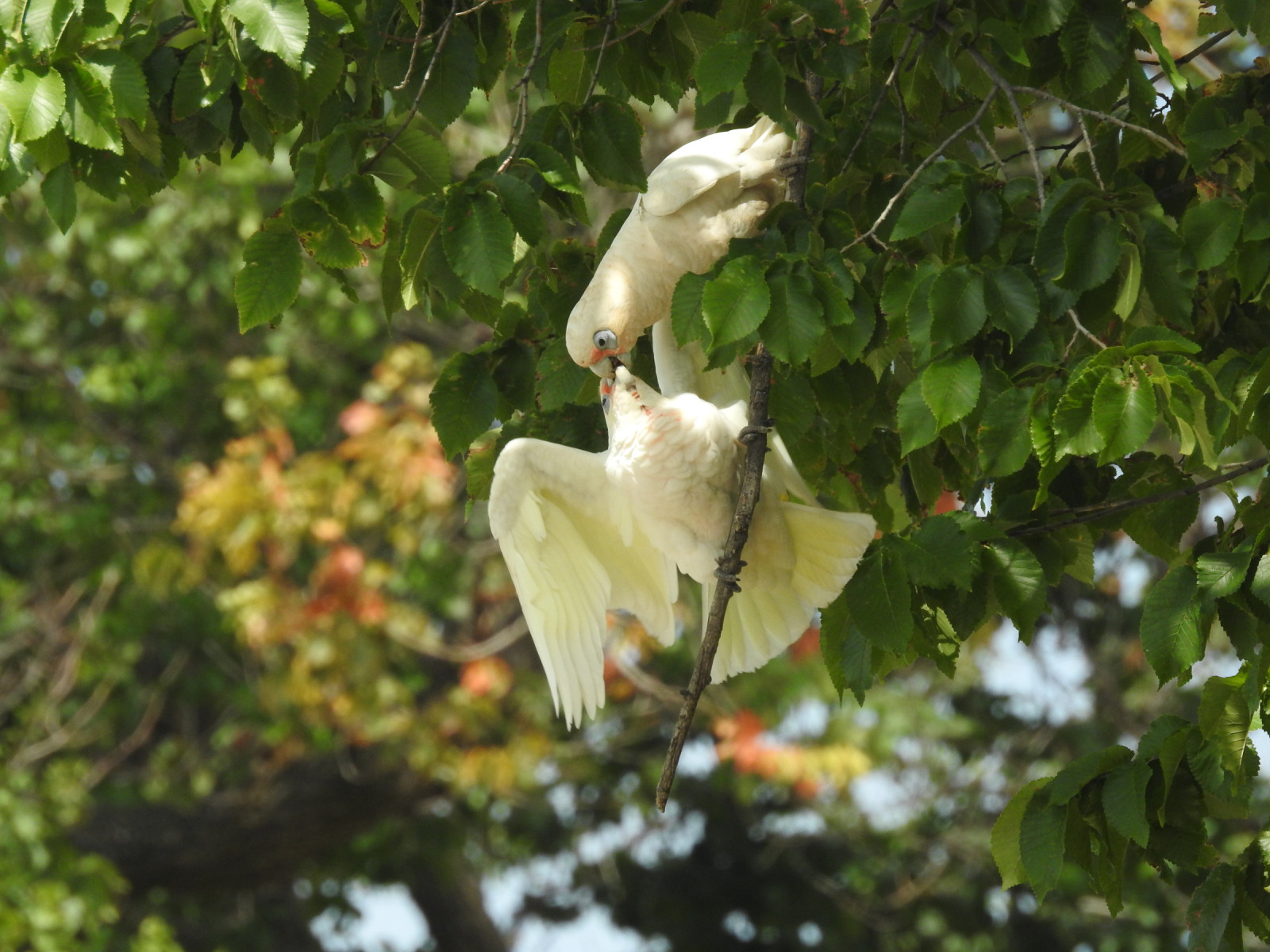
In autumn, enormous flocks of Little Corella graze on the lawns, while overwinter a thousand-strong colony of Little Black Cormorant roost on Gunn Island. In spring, the birds are joined by swan cygnets and ducklings galore, while reed warblers return and begin to sing; a pair of Caspian Tern visit as well. In late summer, or when water levels are low, Pied Stilt move into the reed beds.
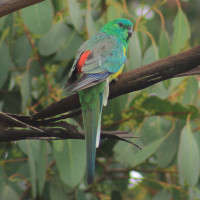
Landbirds include: Australian Magpie , Magpie-lark , Rainbow Lorikeet , Noisy Miner , Masked Lapwing , as well as Grey Butcherbird and Pied Currawong , and the loud Sulphur-crested Cockatoo , Long-billed Corella , Galah , and (in winter) Yellow-tailed Black-Cockatoo .
Detalles
Accesso
Albert Park Lake is well-serviced by public transport, with the 12 and 96 trams running along the north-west and western edge of the park, and the 16/3a on the southern end. The north-eastern edge of the park is a short walk from Anzac Station (St Kilda Road tram corridor, Cranbourne and Pakenham train lines), and the southern edge is an underpass away from St Kilda Junction (trams 3, 5, 16, 64, 67). There is extensive road access within the park and lots of car parks (expensive!), and although dedicated bike infrastructure is minimal it is nevertheless comfortable to ride within the park. Press P on the map for directions.
This is a large park: the lakeside circuit (about 5 km, 1.5 hr loop) is a favourite for walkers, joggers, and runners, but it can be more convenient (and faster!) to cycle between birding hotspots. Alternatively, you can park and explore on foot. Length of visit will depend on where you go: you can walk a 40 minute circuit at the hotspot-dense northern end, spend 1.5-2 hours walking the whole way - but you can just as easily stop at the Crake Pond for 15 minutes, or meander around the exterior for as long as your feet allow.
Terreno y habitat
Árboles y arbustos dispersos , Cañizos , LagoCondiciones
Plano , Pantanoso , Paisaje abiertoCamino circular
Sí¿Se necesita telescopio?
Puede ser útilBuena época para el avistamiento de aves
Todo el añoMejor momento para visitar
PrimaveraRuta
Camino pavimentado , Camino ancho , Camino sin asfaltarCamino difícil de andar
Caminata mediaAccesible vía
A pie , Bicicleta , Coche , Barco , Silla de ruedasEscondite de observación / plataforma
NoInformación extra
Albert Park Lake & Reserve is often overlooked as a birding destination, but it remains an excellent location for birding and bird photography; despite the lack of small forest birds and rarer species, the visibility of the birds and their familiarity with humans make this an excellent birding location, with beautiful views and plentiful amenities (drinking fountains, public toilets, benches) to sweeten the deal. Please do not feed the birds (mainly because bread is bad for them, but also because swans bite!).
Being dominated by flat, wide-open spaces, visibility over a good distance, this is a safe park, and it feels safe to visit. The lakeside path is a major thoroughfare in summer and on weekends - which does put off the shyer birds, so visiting in a quieter period can be beneficial.
The infrastructure does not accommodate birders (yet!), which makes for a lot of standing or squatting on the path - it is advised you sit/stand behind the path, to allow joggers, walkers, runners, cyclists, and dog-walkers to pass by you.
 ) insertar los nombres de aves en tu propio idioma. ¡Los nombres de las aves serán traducidos automáticamente para otros usuarios!