
Description
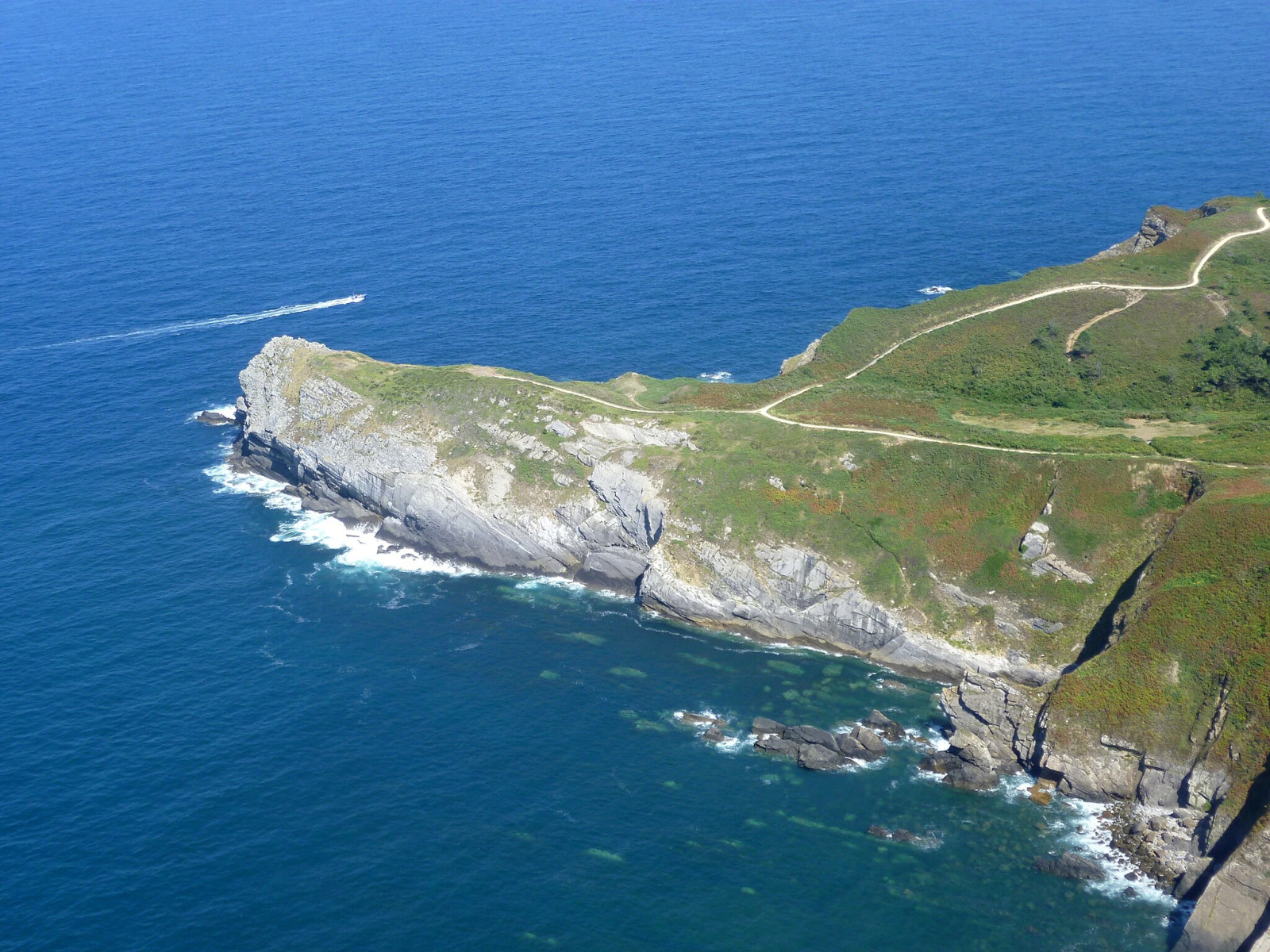
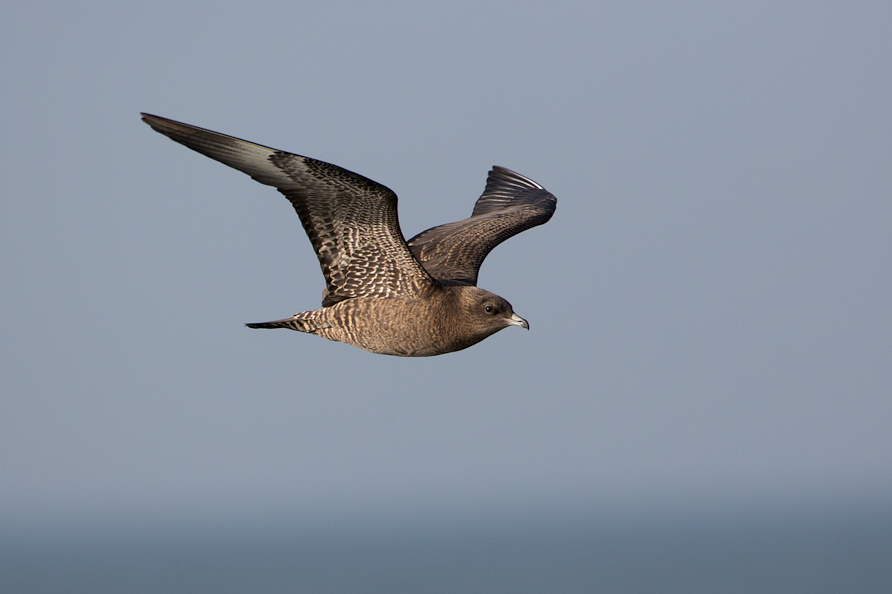
Punta la Vaca is a prime spot for birdwatching. This small cape is considered one of the best locations in Asturias for observing the migration of seabirds. The cliffs of Punta de la Vaca make it an ideal place for birdwatchers to observe a variety of bird species, especially during migration. Bird species you might observe include shearwaters, cormorants, Σούλα (του Βορά), Razorbill, Common Guillemot, Αετοληστόγλαρος, Γαλαζόραμφος Ληστόγλαρος, Γερακοληστόγλαρος, Atlantic Puffin and various gulls and terns.
________________________
Espagnol: Acantilado marino. Lugar muy bueno para observar paso migratorio de aves marinas.
Details
Access
Punta la Vaca is located in the village of Gozón and very close to the town of Luanco, which is 37 km from Oviedo, 22 km from Gijón and 15 km from Avilés. Punta de la Vaca is ideal for a walk from Luanco beach. About 15 minutes walk. You can park in the beach area. Press P on the map for directions to a parking.
_________________________
Espagnol: Ideal para ir dando un paseo desde la playa de Luanco. Unos 15 min de caminata. Se puede estacionar en la zona de la playa.
Terrain and Habitat
Canyon/cliff , SeaConditions
Rocky , FlatCircular trail
NoIs a telescope useful?
YesGood birding season
All year roundBest time to visit
Autumn migration , Spring migrationRoute
Narrow trailDifficulty walking trail
EasyAccessible by
Foot , BicycleBirdwatching hide / platform
NoExtra info
The best time to observe the migration at sea is from mid-summer to well into winter, months in which you can observe most of the species of the Cantabrian Sea, although on any other date you can observe seabirds but in smaller numbers and variety. For waders on the beaches September, October and November are very good months.
_________________________
Espagnol: La principal época para la observación del paso en la mar va desde mediados de verano hasta bien entrado el invierno, meses en los que podremos observar la mayoría de especies del Cantábrico, si bien en cualquier otra fecha podremos observar aves marinas pero en menor número y variedad. Septiembre, Octubre y Noviembre son muy buenos meses para poder ver limícolas en las playas.


 ) to insert bird names in your own language. The birdnames will automatically be translated for other users!