Description
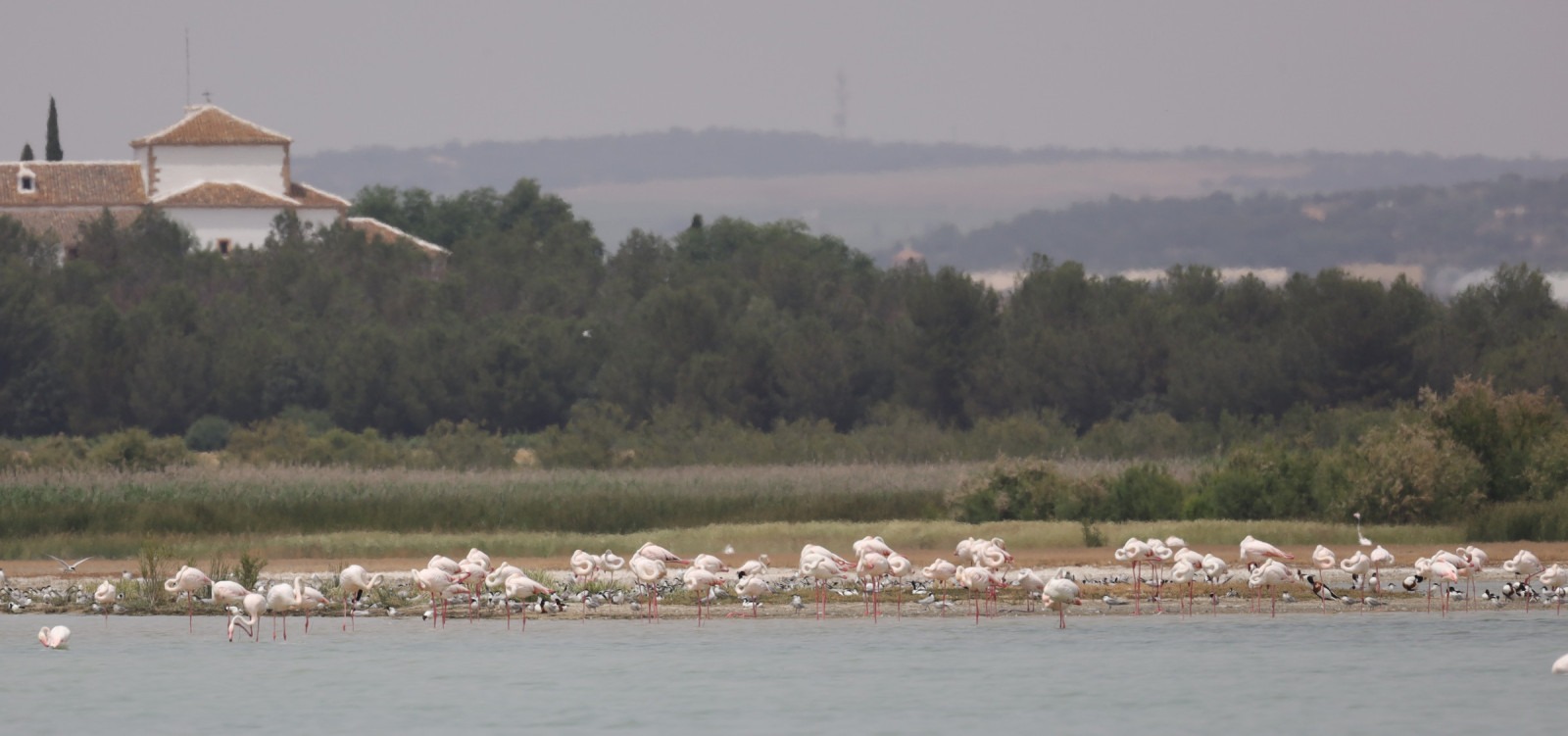
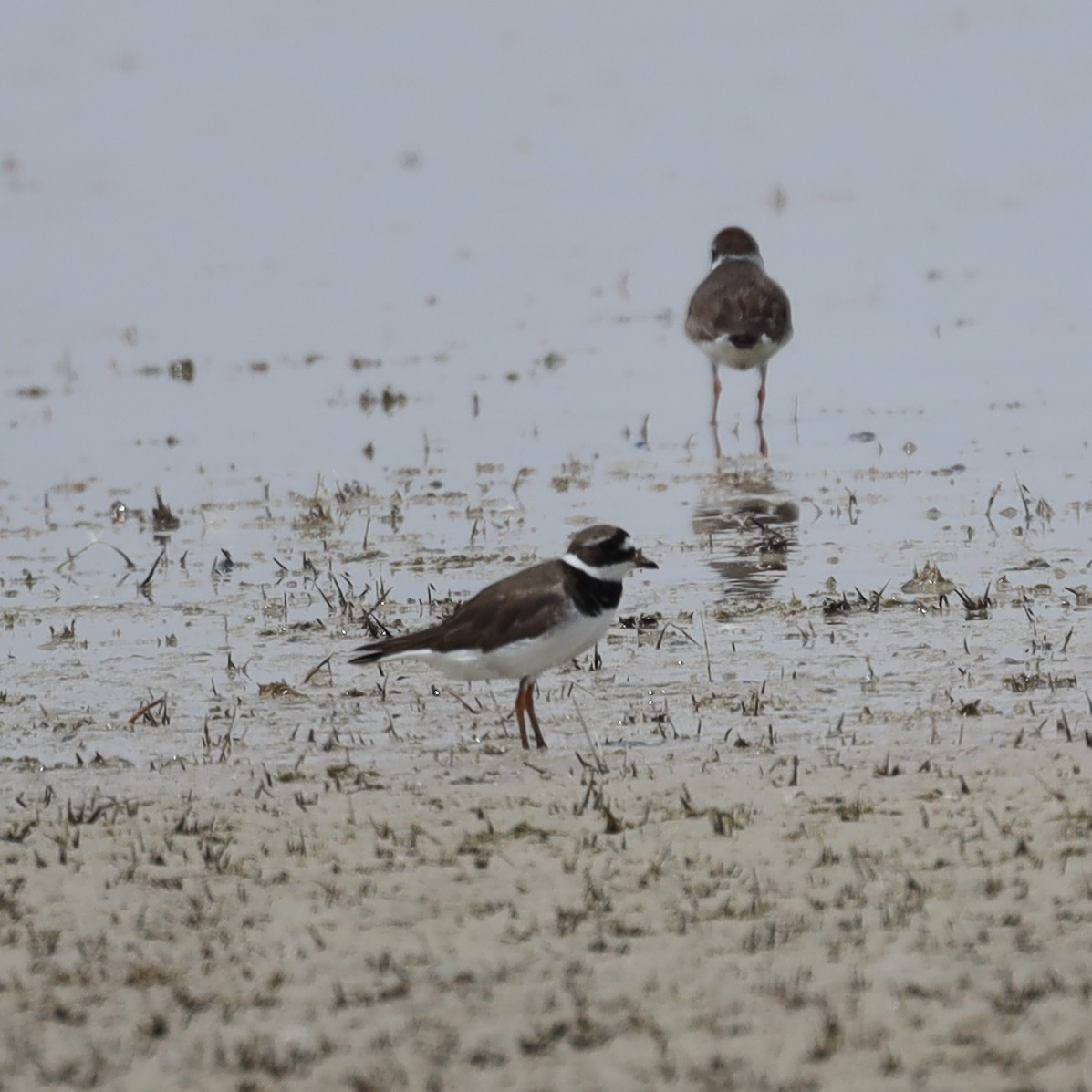
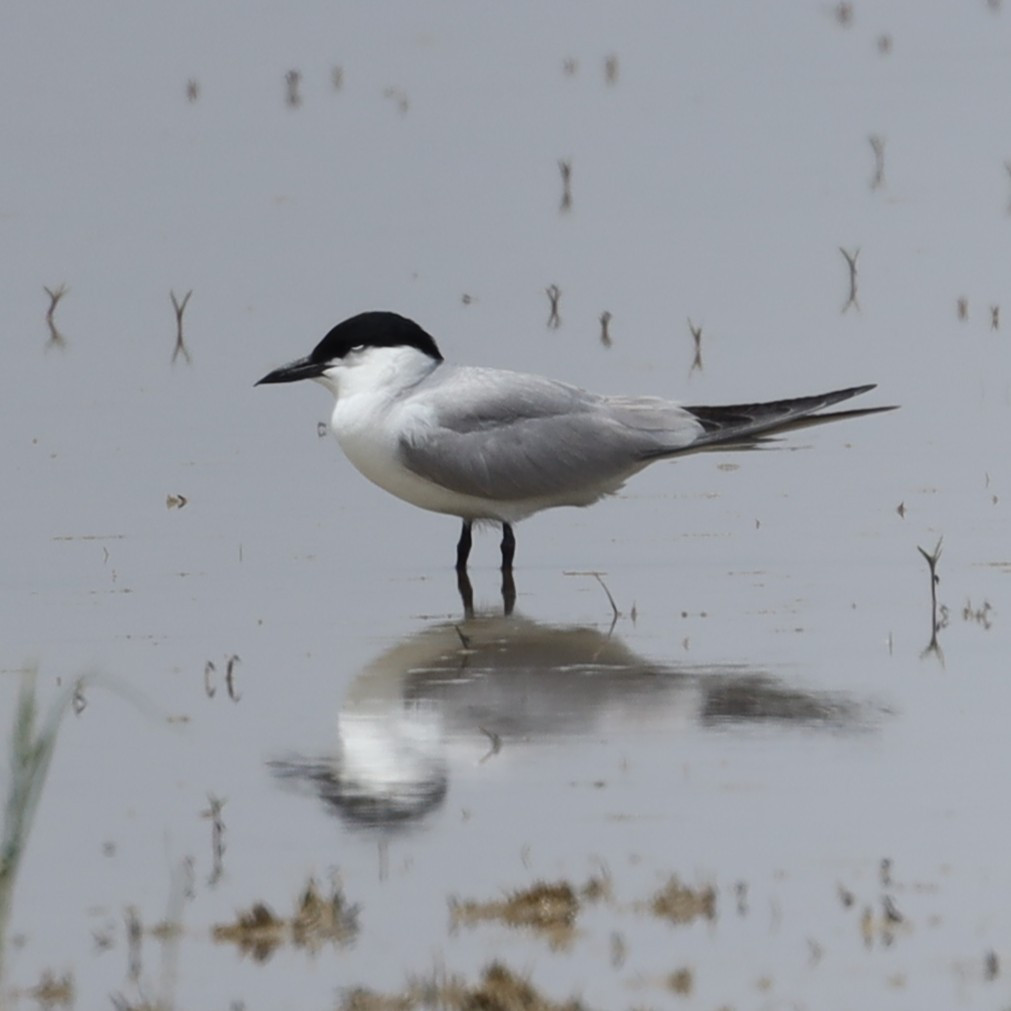
The Manjavacas lagoon receives water throughout the year and does not dry out and allows the water birds of the entire area to find enough water here to rest and feed during migration and for long periods of the year. Among the birds you can see here are (Ευρωπαϊκός) Γερανός, (Ευρωπαϊκό) Φοινικόπτερο, Lesser Flamingo, (Ευρασιατικό) Φερεντίνι, (Ευρασιατική) Χουλιαρόπαπια, Πρασινοκέφαλη Πάπια, Καλαμόκιρκος, Θαλασσοσφυριχτής, Ακτίτης, Τσιχλοποταμίδα, Σχοινοποταμίδα, (Κοινή) Φαλαρίδα, (Ευρωπαϊκή) Καλημάνα and Καστανοκέφαλος Γλάρος.
_________________________
Español: Esta laguna forma parte del complejo lagunar de Manjavacas formado por 5 lagunas que permite que multitud de aves migratorias paren y vivan allí. La laguna de Manjavacas recibe agua durante todo el año y no se seca y pemite que las aves acuáticas de toda la zona encuentren allí agua suficiente para descansar y alimentarse durante la migración y durante largos períodos del año.
Details
Access
By car from Mota del Cuevo there is a road that leads to the hermitage of Ntra sra. from Manjavacas. Click on the P in the map to get directions. You can leave your car there or continue the road until you find the lagoon and take the route that surrounds the lagoon. The circular route around the lagoon is about 9 km.
_________________________
Español: En coche desde Mota del cuevo sale una carretera que lleva a la ermita de Ntra sra. de Manjavacas, se puede dejar allí el coche o continuar el camino hasta encontrar la laguna y hacer el recorrido que rodea la laguna.


 ) to insert bird names in your own language. The birdnames will automatically be translated for other users!