Description
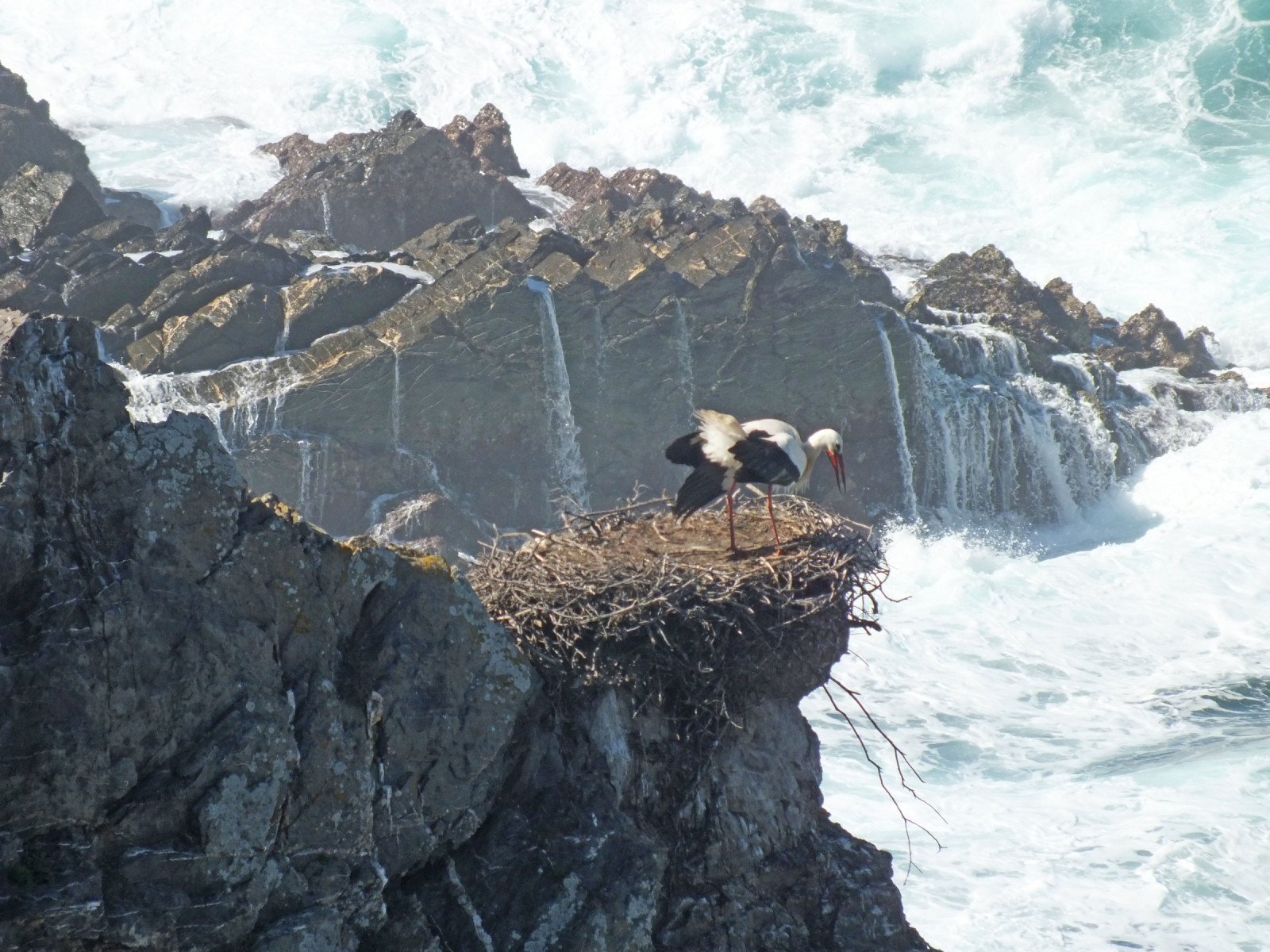
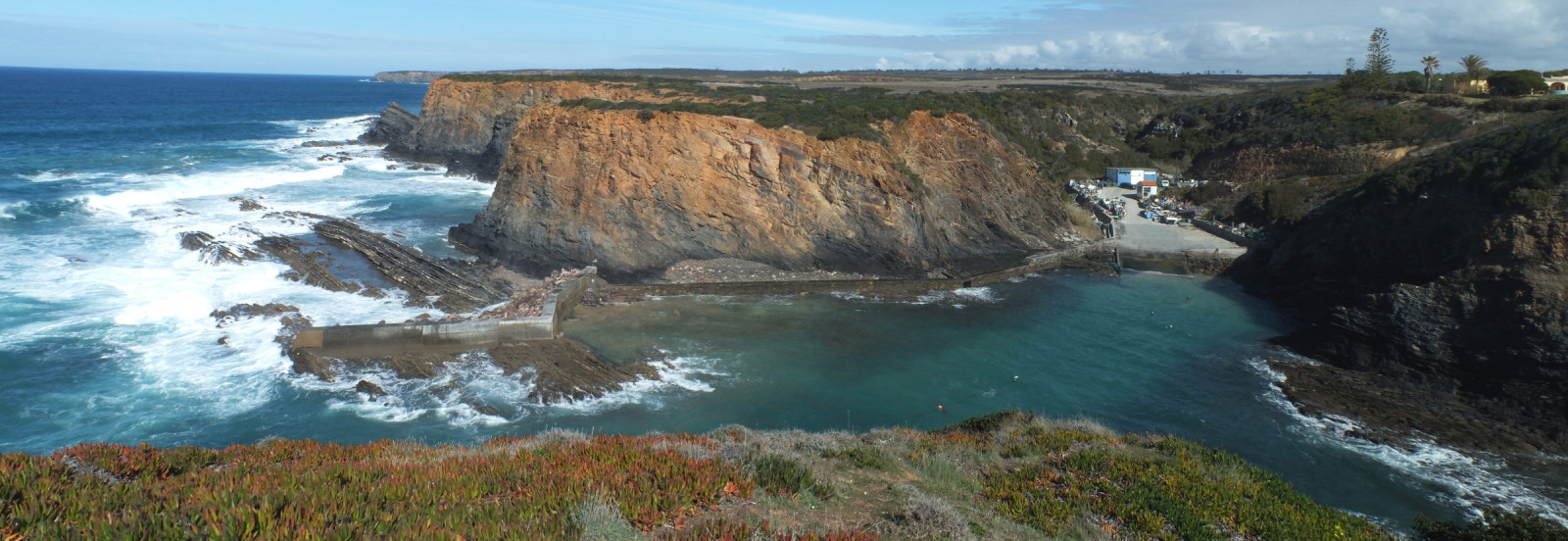
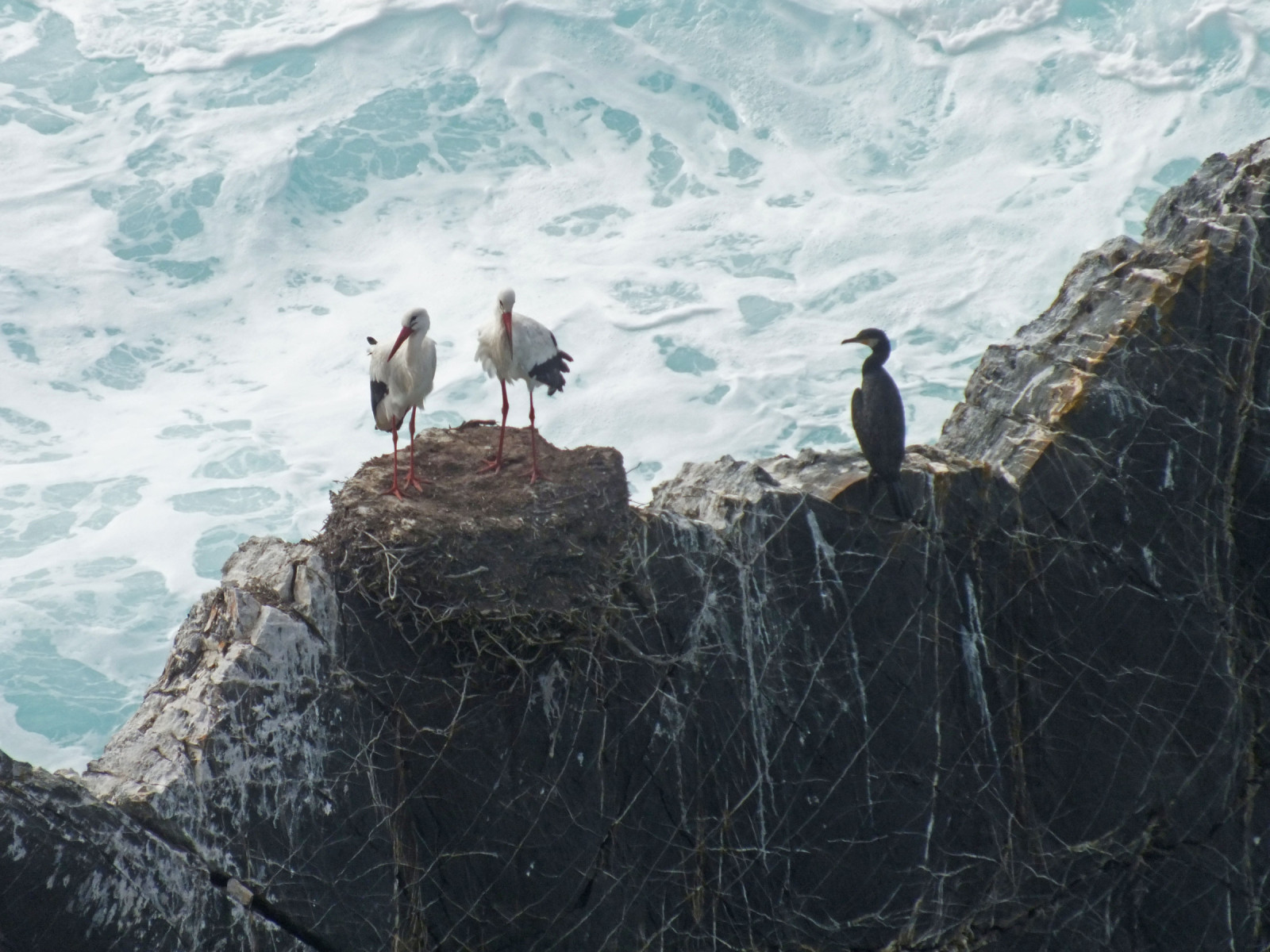
On these cliffs you can observe many Λευκός Πελαργός nesting in late winter and spring. Above this coast a narrow path leads, which shows new rock formations, bays and a wild ocean. Be careful with the cliffs! Most of them are safe, however all off them must be taken with caution.
In addition to birds of rocky slopes (Βραχοκιρκίνεζο, Πετρίτης and Γαλαζοκότσυφας) birds of rough areas can also be seen inland. In addition to Μαυρολαίμης and Καρβουνιάρης, the Χαμωτίδα also occurs here. Furthermore, this is an area where you can observe marine seabirds passing.
_________________________
Português: Nestes penhascos, é possível observar muitas Λευκός Πελαργός a nidificar no final do inverno e na primavera. Acima desta costa, há um caminho estreito que revela novas formações rochosas, enseadas e um oceano selvagem. Cuidado com as arribas. A maioria delas são seguras, contudo, devem ser encaradas com cautela.
Além de aves características de encostas rochosas (Βραχοκιρκίνεζο, Πετρίτης e Γαλαζοκότσυφας ), também é possível observar aves de zonas agrestes no interior. Para além do Μαυρολαίμης e do Καρβουνιάρης, o Χαμωτίδα também ocorre nesta área. Para além disto, é uma zona onde é possível observar passagem de aves marinhas.
Details
Access
From Cavaleiro, the CM 1124 takes you to the Farol do Cabo Sardão. Parking is available at the football stadium just south of the lighthouse. Press P on the map for directions. The walk below takes 2 to 3 hours. The coastal path here is much longer, allowing for much longer walks.
_________________________
Português: De Cavaleiro, a CM 1124 leva-o ao Farol do Cabo Sardão. Há estacionamento disponível no campo de futebol, a sul do farol. O percurso indicado abaixo demora entre 2 a 3 horas. O caminho costeiro nesta área é muito mais extenso, permitindo caminhadas bem mais longas.



 ) to insert bird names in your own language. The birdnames will automatically be translated for other users!