Description
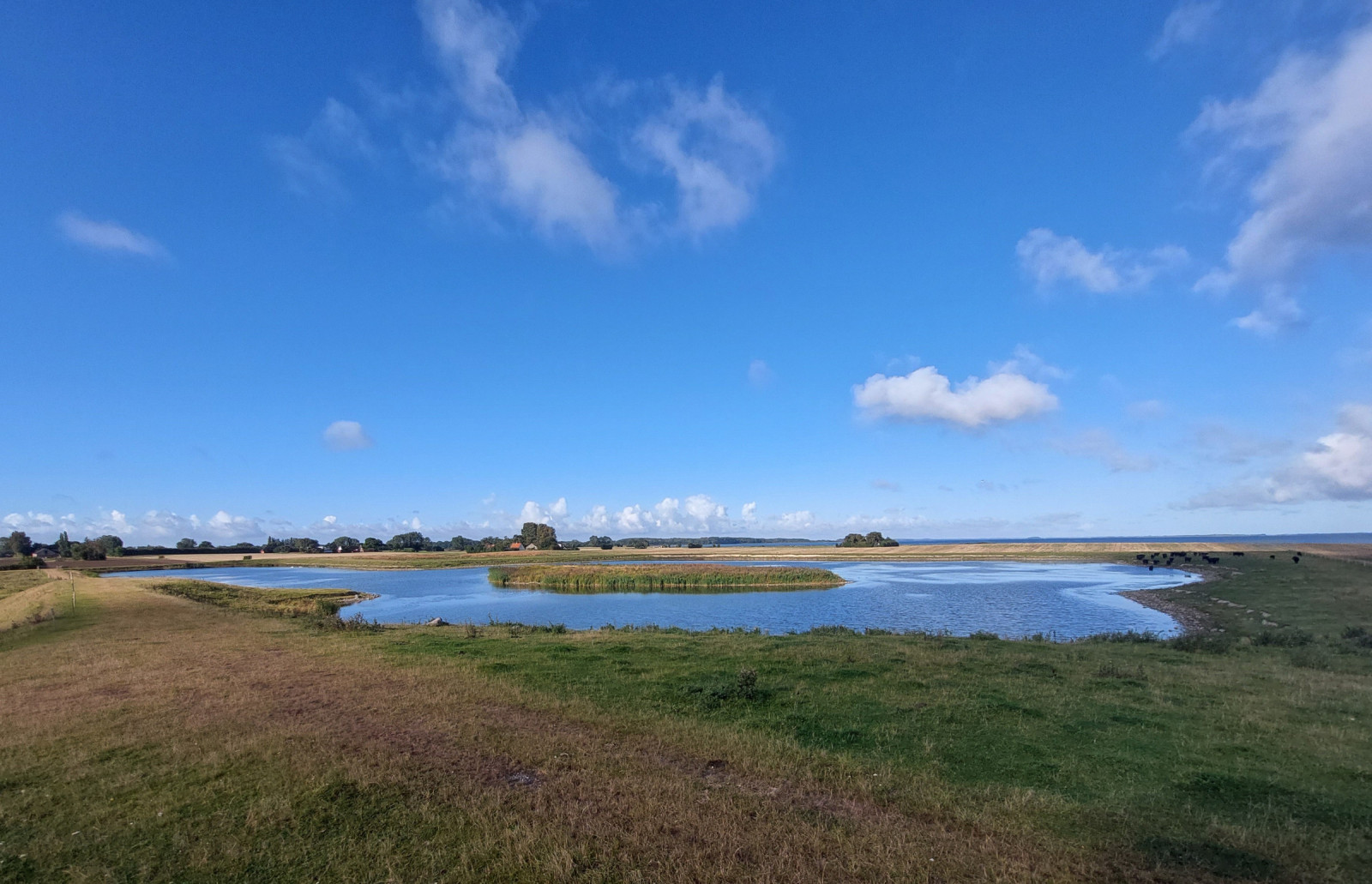
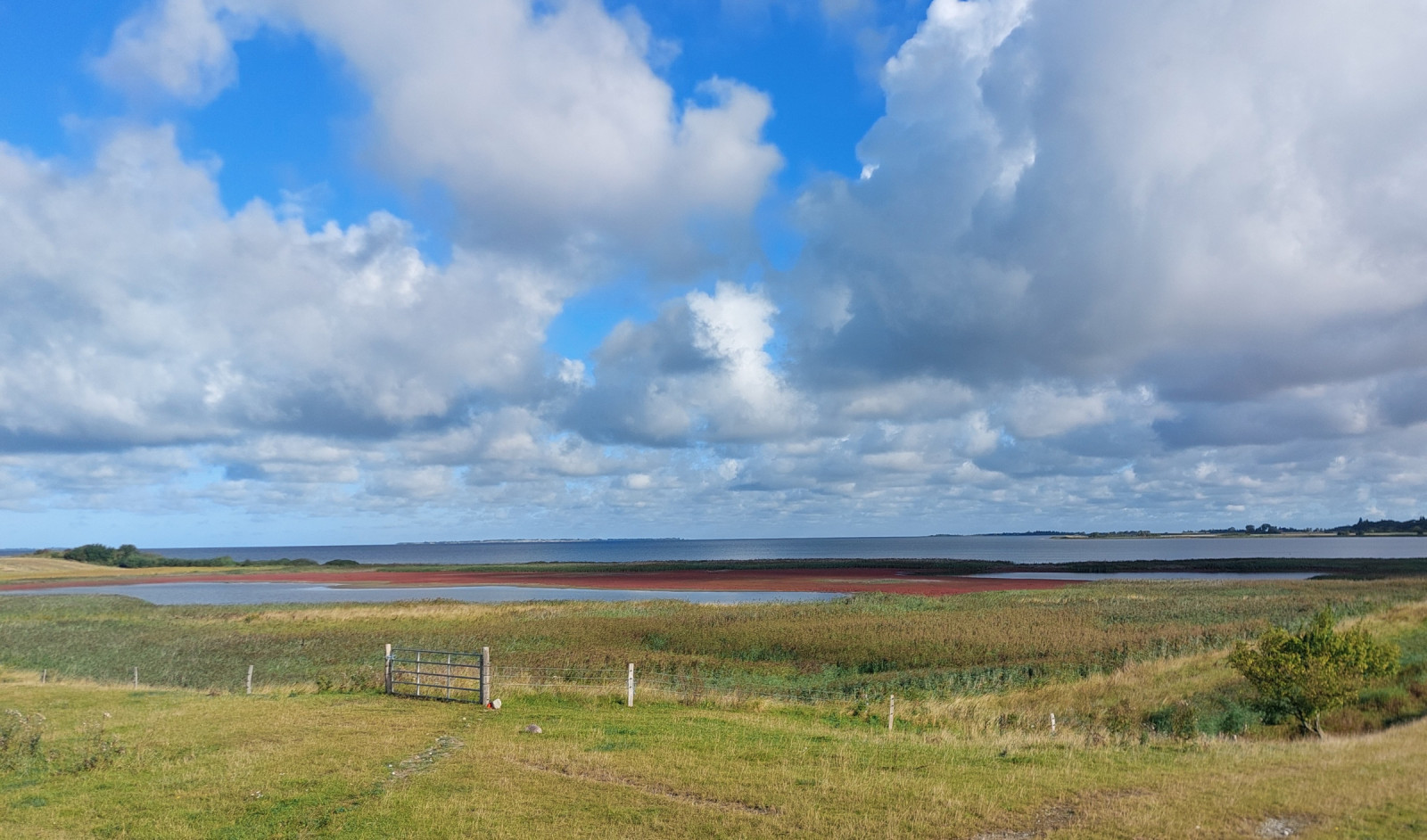
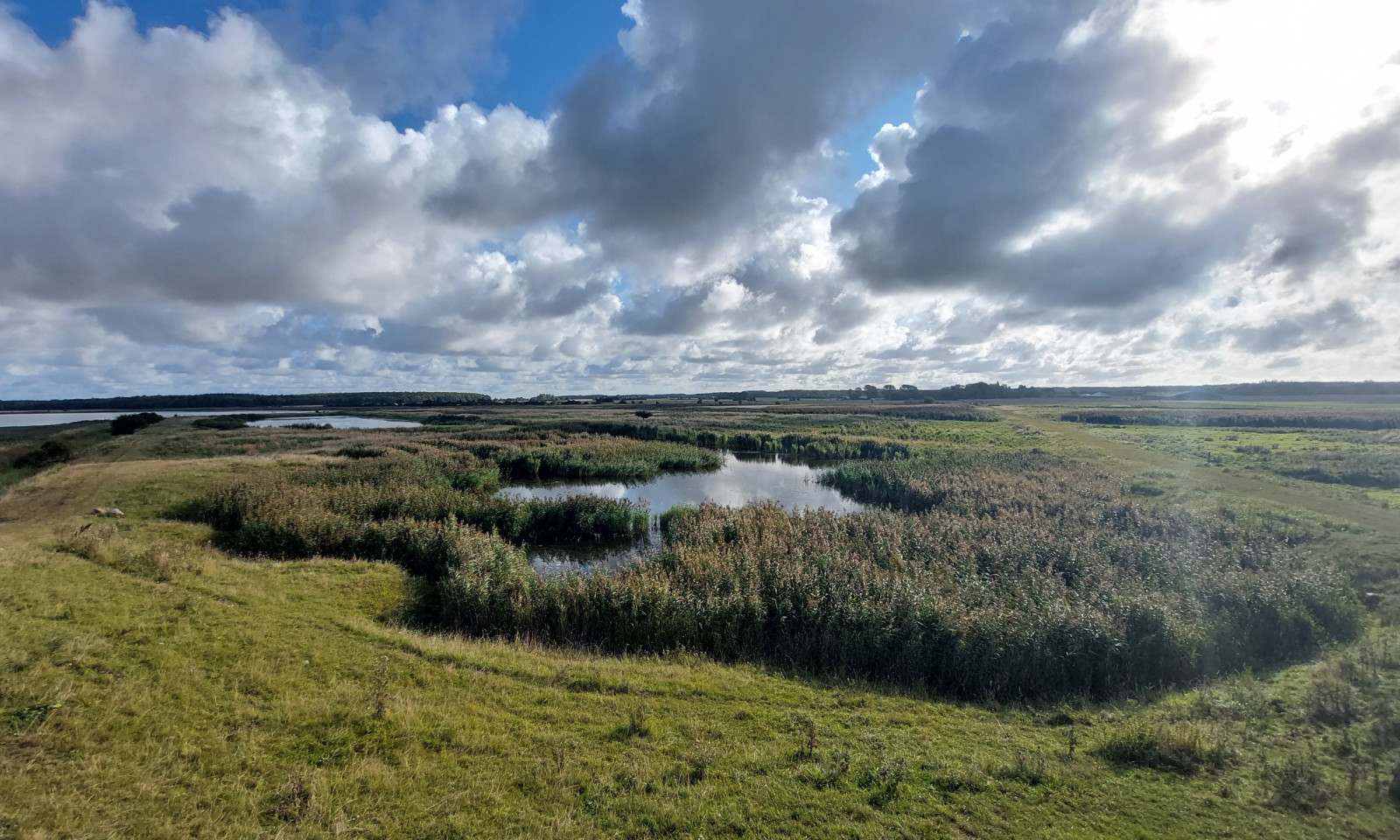
Kalløgrå was used to deposit sludge from the sugar factory in Sakskøbing for a period of 10 years. In 2003 around 30ha of the area was taken over by the Aage V. Jensen Fund and a thorough re-establishment project was carried out, so that the area is now a wetland with lakes, wet and dry meadows - some of which are grazed - and remains of embankments.
Several wader species breed at Kalløgrå, for example (Ευρωπαϊκή) Καλημάνα, Κοκκινοσκέλης and (Ευρωπαϊκός) Στρειδοφάγος. A fair-sized colony of (Ευρωπαϊκή) Αβοκέτα and a small colony of Καστανοκέφαλος Γλάρος can be seen on the islet in the lake. Θυελλόγλαρος, Χιονογλάρονο and Ποταμογλάρονο nest here, too. There are also a few pairs of (Κοκκινόλαιμο) Νανοβουτηχτάρι and several pairs of Κοκκινοβουτηχτάρι. Καλαμόκιρκος nest in the reedbeds. The area is a good stop-over site for many species of ducks and waders during migration. In autumn, large numbers of (Ευρωπαϊκό) Βροχοπούλι, Λασποσκαλίδρα, (Ευρασιατική) Τουρλίδα and smaller numbers of Αργυροπούλι, (Κοινή) Νανοσκαλίδρα, Δρεπανοσκαλίδρα, (Κοινό) Μπεκατσίνι, Μαυρότρυγγας and Πρασινοσκέλης stop over here.
Details
Access
From the main 153 road between Sakskøbing and Guldborg, drive north to Kallø. Drive into the village and then north along Kalløgråvej, which becomes a gravel road. By continuing along this road one reaches a sheep fence, where one can park. From here there is access to a bird observation tower, from which there is a splended view over the area. Walking or cycling inside the fences is permitted, but please keep to the paths in order not to disturb the staging and breeding birds.
Terrain and Habitat
Wetland , Sea , GrasslandConditions
Open landscapeCircular trail
NoIs a telescope useful?
YesGood birding season
All year roundBest time to visit
Spring migration , Autumn migrationRoute
Wide pathDifficulty walking trail
EasyAccessible by
FootBirdwatching hide / platform
YesExtra info
Note: If the sea level is normal or low, Kalløgrå is full of life, but it is almost empty at high sea level. So check the tides table. See the link below.


 ) to insert bird names in your own language. The birdnames will automatically be translated for other users!