.jpg)
Beschreibung
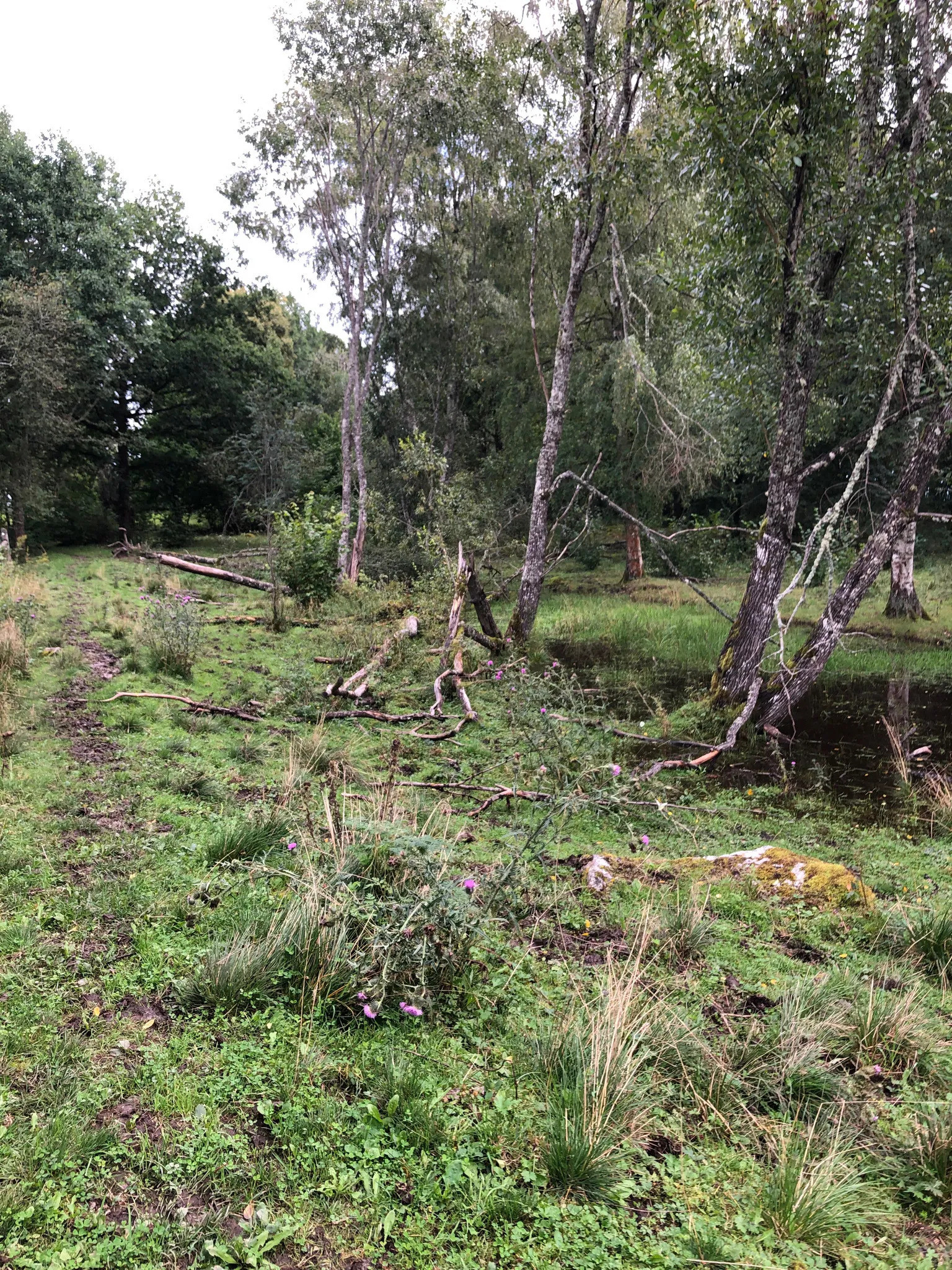
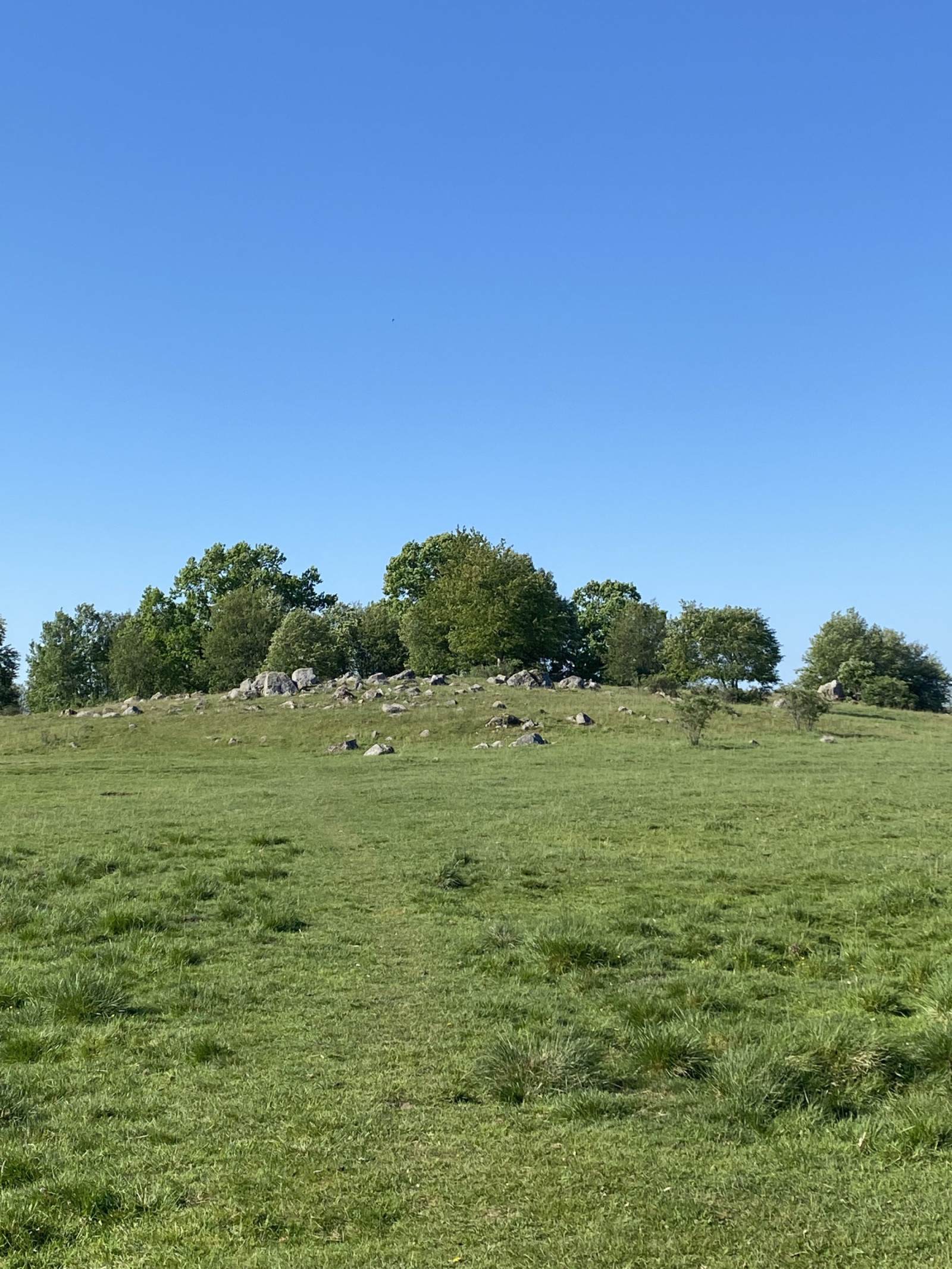
Kvismare is a wetland nature reserve of 732 ha. Each year around 200 different bird species are observed in the area, both during migration and breeding. It's an valuable area for observations and research or watching birds in their natural habitat. Even though this area has not a lot of birding towers, it's still a very good route with a variety of habitats and different bird species.
Details
Zugang
The nature reserve is situated southeast of Örebro. There are signposts from road 52 between Kumla and Odensbacken and on road 207 between Örebro and Odensbacken. The main entrance is at Öby kulle, in the centre of the nature reserve. I would advice to park on the north east side of the lake. When you enter Åsen you should drive along a gravel path until you reach the lake. There is not much parkings space here, but it's a quite road. Alternative is to park at the main entrance.
Terrain und Habitat
Feuchtgebiet , Wald , Schilfflächen , Landwirtschaft , See , Grasland, Wiesen , Vereinzelte Bäume und Büsche , SchlammflächenBedingungen
Flach , Hügelig , Felsig , Offene Landschaft , SumpfigRundweg
JaIst ein Spektiv nützlich?
Möglicherweise hilfreichGute Beobachtungszeit
Frühjahr , Sommer , HerbstBeste Beobachtungszeit
Frühjahr , FrühjahrszugRoute
unbefestigte Straße , Schmaler PfadSchwierigkeitsgrad der Tour
DurchschnittlichErreichbarkeit
zu FußBeobachtungshütten oder -türme
JaZusätzliche Informationen
West of Öby kulle is Lake "Rysjön", an open lake with areas of common reed surrounded with wetlands. During spring and autumn the fields and wetland areas around Lake Rysjön are good places to observe migrating Kranich and geese, especially Saatgans. Many of them uses the lake as sleeping place.
East of Öby kulle a path leads to Lake "Fågelsjön" and a larger wetland area called Estern Kvismaren. It's a breeding place for species such as Drosselrohrsänger Trauerseeschwalbe , Rothalstaucher , Ohrentaucher , Rohrdommel , Bartmeise and Küstenseeschwalbe. This is a good place to see migrating birds, especially in the spring. Saatgans is seen in the large numbers, but every year rarer species such as Zwerggans , Kurzschnabelgans , Bläßgans are observed in lesser number. During winter time Lake Fågelsjön is a good place to see Seeadler, Fischadler and Steinadler.


 ) Tragen Sie die Vogelnamen in Ihrer Sprache ein. Sie werden automatisch für andere Nutzer übersetzt!