
Beschreibung
Kopaonik National Park is characterised by diverse geological substrates and relief, encompassing valleys and gorges as well as exposed rocky outcrops. At its lower altitudes it is covered by broadleaf temperate forests (oak and beech). Above 1500 m a.s.l. it is covered in dense boreal spruce forests which gradually transition into alpine shrubland of juniper and blueberry from 1750 - 1900 m a.s.l.
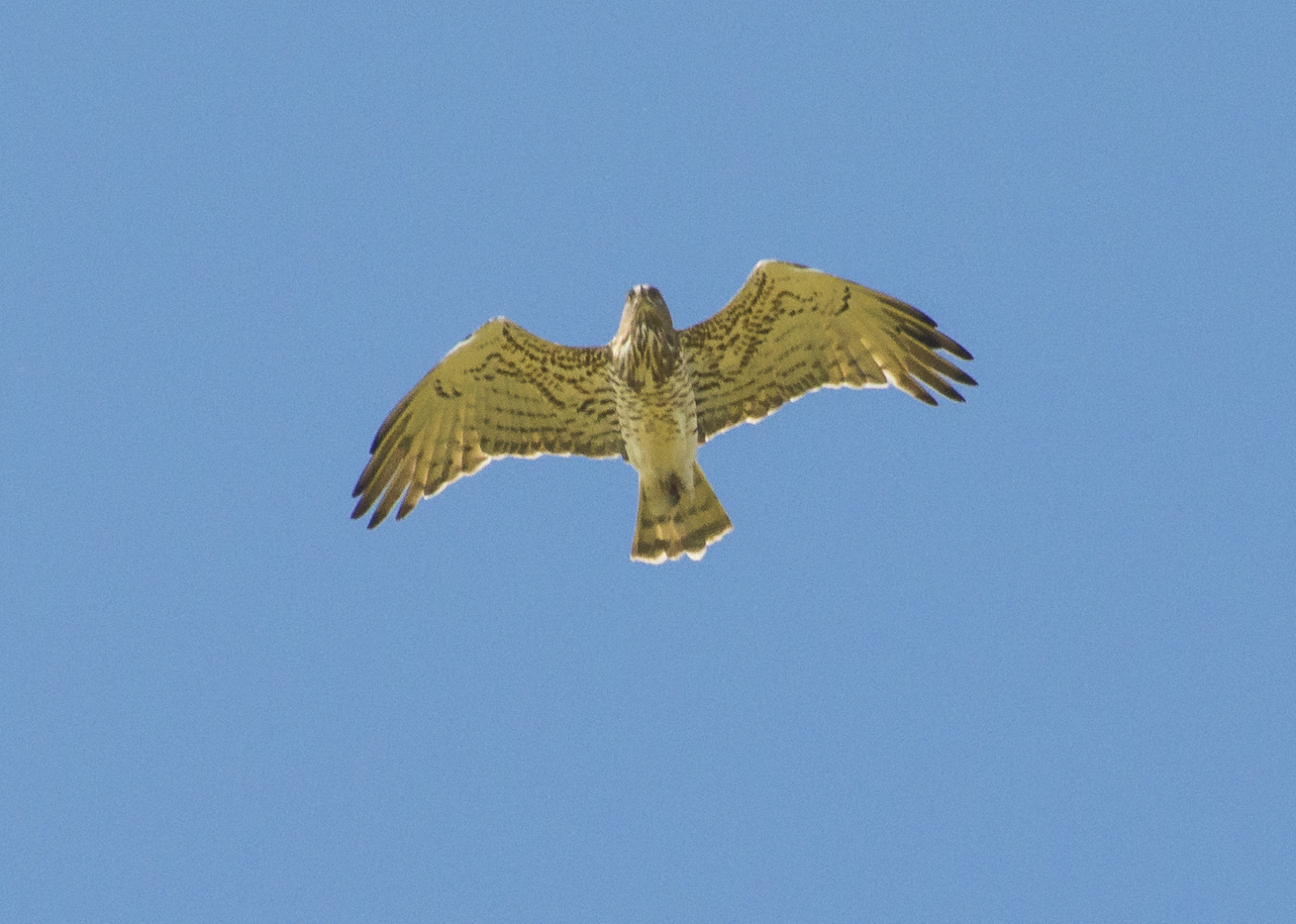
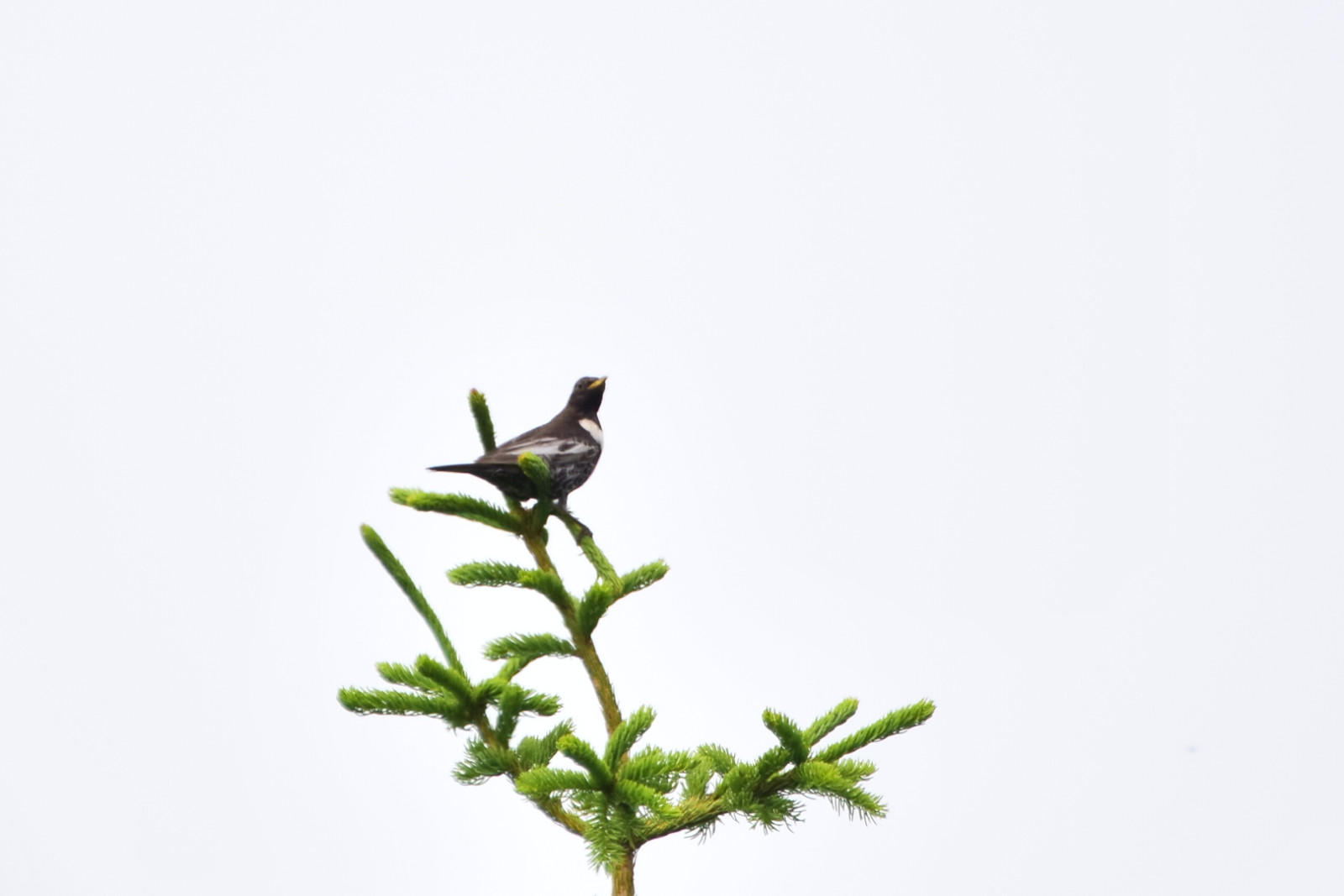
The bird fauna of Kopaonik National Park consists of 173 bird species, with about 115 species nesting. Some of the birds which can be observed in the area are Ohrenlerche (rare), Habichtskauz (rare), Tannenmeise, Tannenhäher, Sommergoldhähnchen, Misteldrossel, Braunkehlchen, Heckenbraunelle, Grünspecht, Gebirgsstelze, Wespenbussard, Schwarzspecht, Steinschmätzer, Rebhuhn, Baumfalke, Neuntöter, Haubenmeise, Felsenschwalbe Ringdrossel, Fichtenkreuzschnabel, Waldbaumläufer, Gartenbaumläufer, Baumpieper, Fitis and Gimpel.
Kopaonik National Park is also a home to 40 species of mammals, including Red Deer, Chamois, Eurasian Lynx, Wild Boar, Grey Wolf and Brown Bear (rare, non-resident), 9 species of amphibians and 12 species of reptiles.
Details
Zugang
Kopaonik National Park is reachable by car or by bus from Belgrade or nearby towns (Raška). There is plenty of parking space in the settlement near the mountain top and the surrounding peaks are explorable on foot, by bicycle or by SUV. There are many hotels or apartments to let in the area, as well as other tourist facilities. However, the closest gas stations are in Brzeće village or in Raška town. If you are arriving by car, plan ahead and fill your tank before the ascent if necessary. Click on a P in the map for directions or coordinates.
The drawn route goes from Konaci to Karaman Greben, Mali Karaman peak, Jaram and Velika Gobelja peak. The route is accessible on foot, by a mountain bike or an SUV. It goes along the edge of a spruce forest and through an alpine shrubland. Most typical montane bird species can be expected here.
Terrain und Habitat
Berg , Wald , Vereinzelte Bäume und Büsche , Plateau , Schlucht/Cliff , Moor/Heideland , Grasland, WiesenBedingungen
Felsig , Hügelig , GebirgigRundweg
NeinIst ein Spektiv nützlich?
Möglicherweise hilfreichGute Beobachtungszeit
Frühjahr , Sommer , HerbstBeste Beobachtungszeit
Sommer , FrühjahrRoute
unbefestigte Straße , Normaler WegSchwierigkeitsgrad der Tour
DurchschnittlichErreichbarkeit
zu Fuß , Auto , FahrradBeobachtungshütten oder -türme
NeinZusätzliche Informationen
The best time to visit Kopaonik National Park is during the late spring/summer (best June to July). Winters are long, with snowfall from November to May.
Links
- Kopaonik National Park official website
- Sunčana Dolina eBird hotspot
- Gobelja eBird hotspot
- Vučja Staza (Karaman Greben, Mali Karaman) eBird hotspot
- Barchart eBird of all 10 Kopaonik hotspots


 ) Tragen Sie die Vogelnamen in Ihrer Sprache ein. Sie werden automatisch für andere Nutzer übersetzt!