Beschreibung
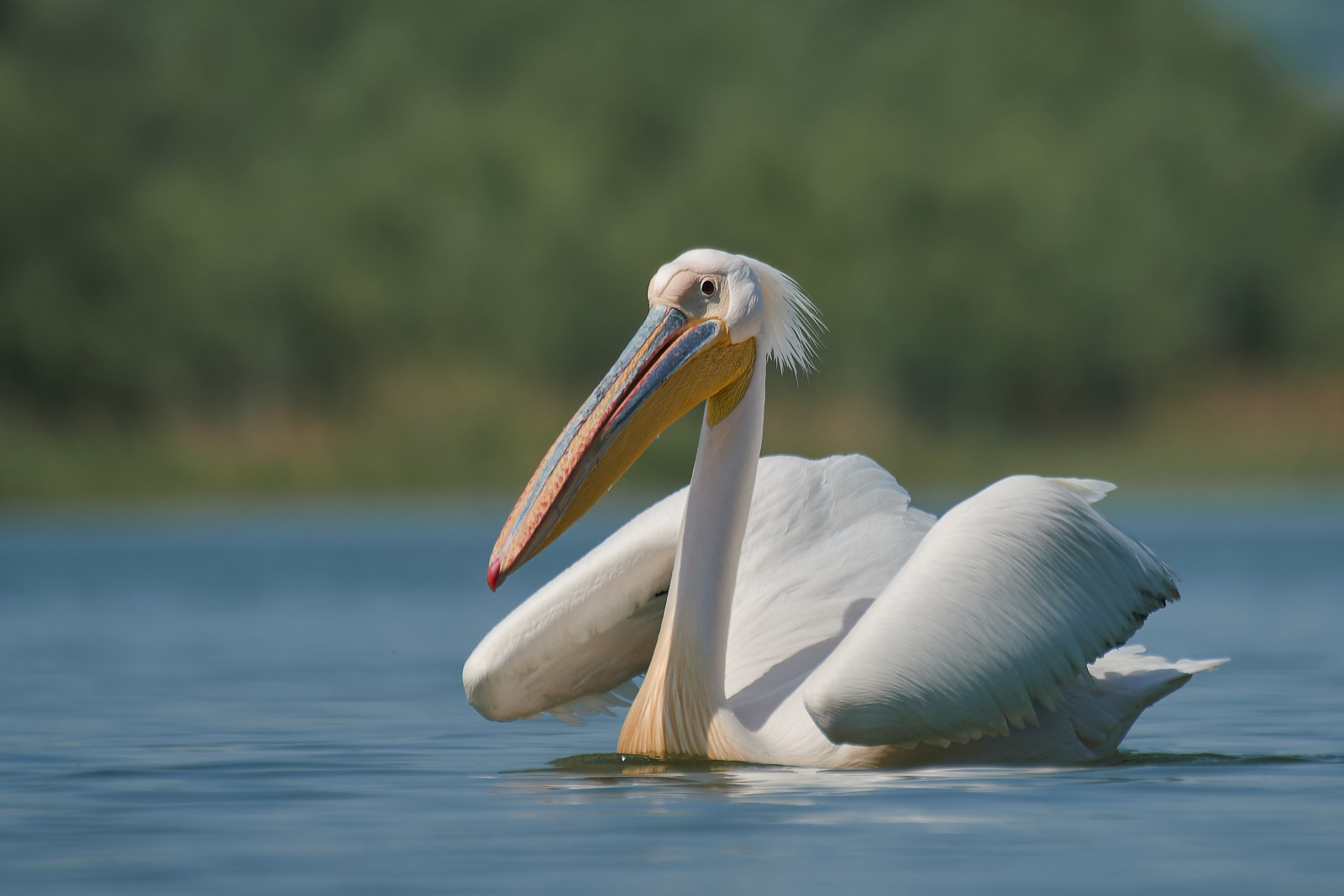
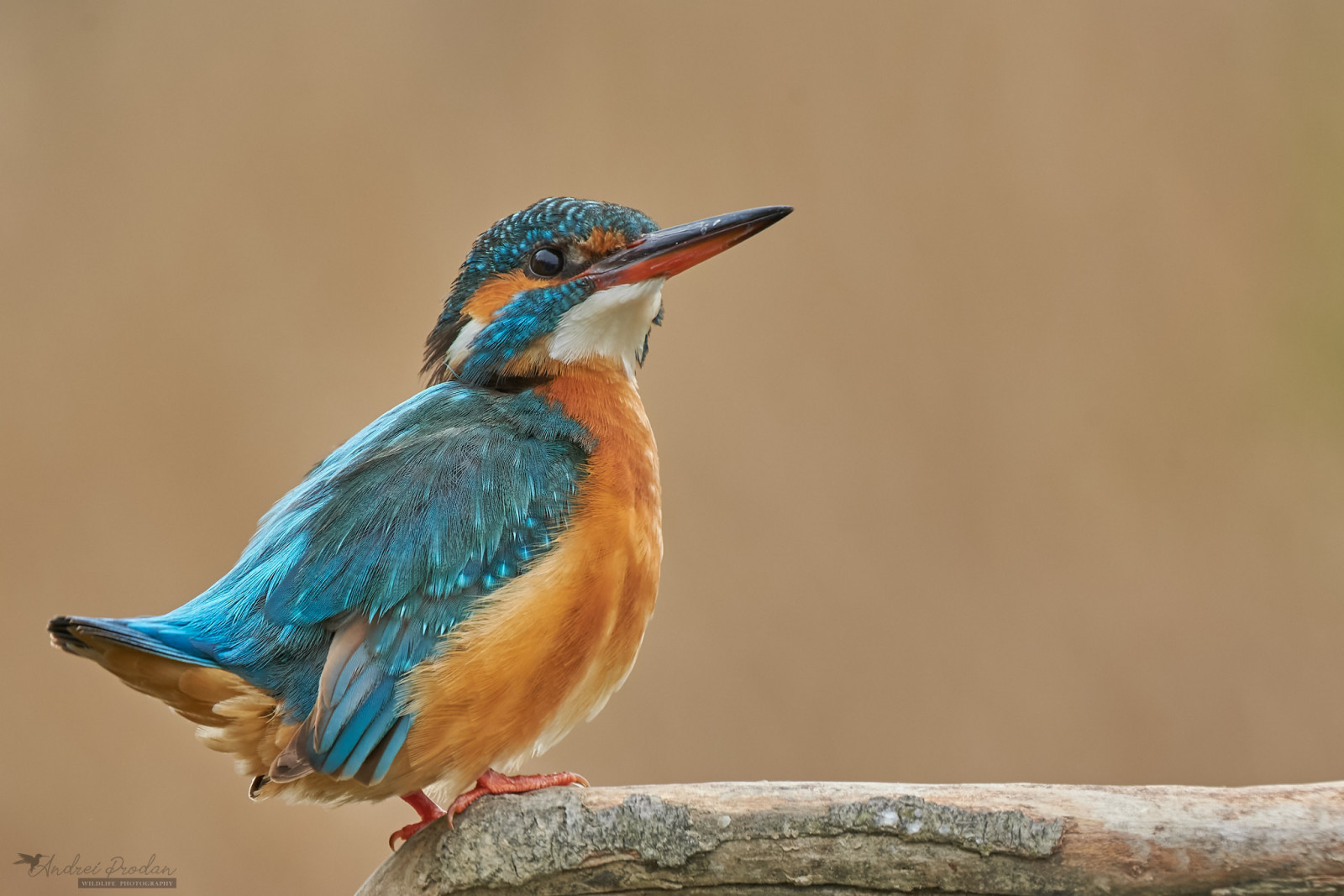
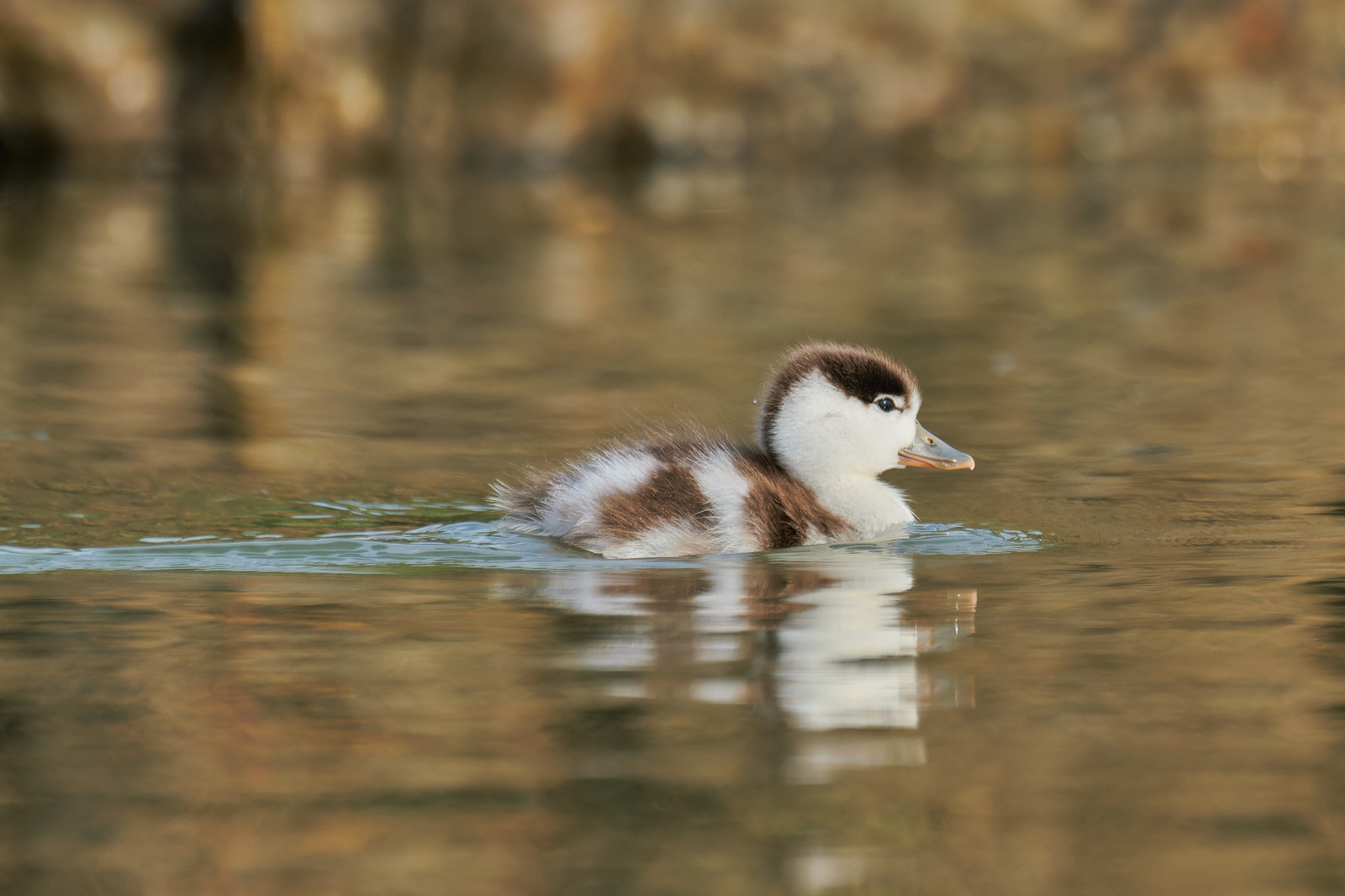
The areas of reclaimed agricultural land in the Carasuhat area have been a focus of conservation efforts. After the terrain was flooded with water, in a few months large amounts of birds started to visit the area. This area has huge potential and is an example of an ecological reconstruction area. In recent years it has become a breeding ground for many species and a favorite resting place for thousands of Rosapelikan and Krauskopfpelikan. Among the many other birds that can be spotted are Knäkente, Kolbenente, Moorente, Stelzenläufer, Raubseeschwalbe, Trauerseeschwalbe, Weißflügel-Seeschwalbe, Weißbart-Seeschwalbe, Flußseeschwalbe, Schwarzstorch, Zwergscharbe, Zwergdommel, Purpurreiher, Rallenreiher, Nachtreiher, Sichler, Löffler, Fischadler, Schreiadler, Seeadler, Bienenfresser and Blauracke.
Details
Zugang
The area is only accessible by boat from Mahmudia village. Click on the P in the map to get directions to Mahmudia. In Mahmudia you can book a boat trip. See the links below for some boat trip providers.
Terrain und Habitat
Feuchtgebiet , Plateau , Grasland, Wiesen , See , Schilfflächen , Vereinzelte Bäume und Büsche , Wald , Fluss , Schlammflächen , Landwirtschaft , Stadt/Dorf , Steppe , TalBedingungen
Sumpfig , Hochwasser möglich , Flach , Offene LandschaftRundweg
JaIst ein Spektiv nützlich?
Möglicherweise hilfreichGute Beobachtungszeit
GanzjährigBeste Beobachtungszeit
Frühjahr , Sommer , Herbst , Frühjahrszug , HerbstzugRoute
Schmaler PfadSchwierigkeitsgrad der Tour
EinfachErreichbarkeit
BootBeobachtungshütten oder -türme
NeinLinks
- Photos by Andrei Prodan
- Bunica Maria Guesthouse - Birdwatching and wildlife photography tours
- Birdwatching and boat trips in Danube Delta


 ) Tragen Sie die Vogelnamen in Ihrer Sprache ein. Sie werden automatisch für andere Nutzer übersetzt!