Beschreibung
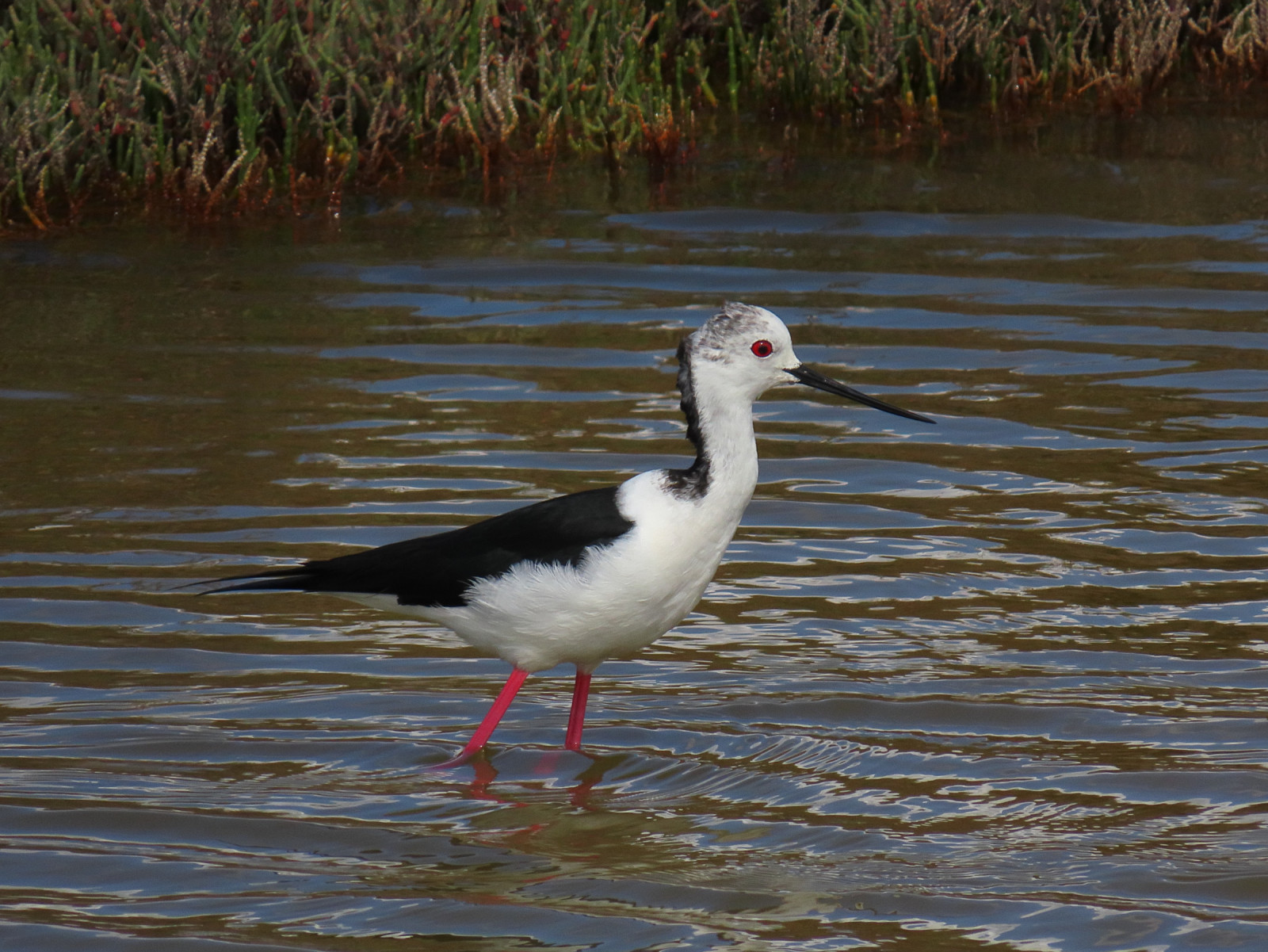
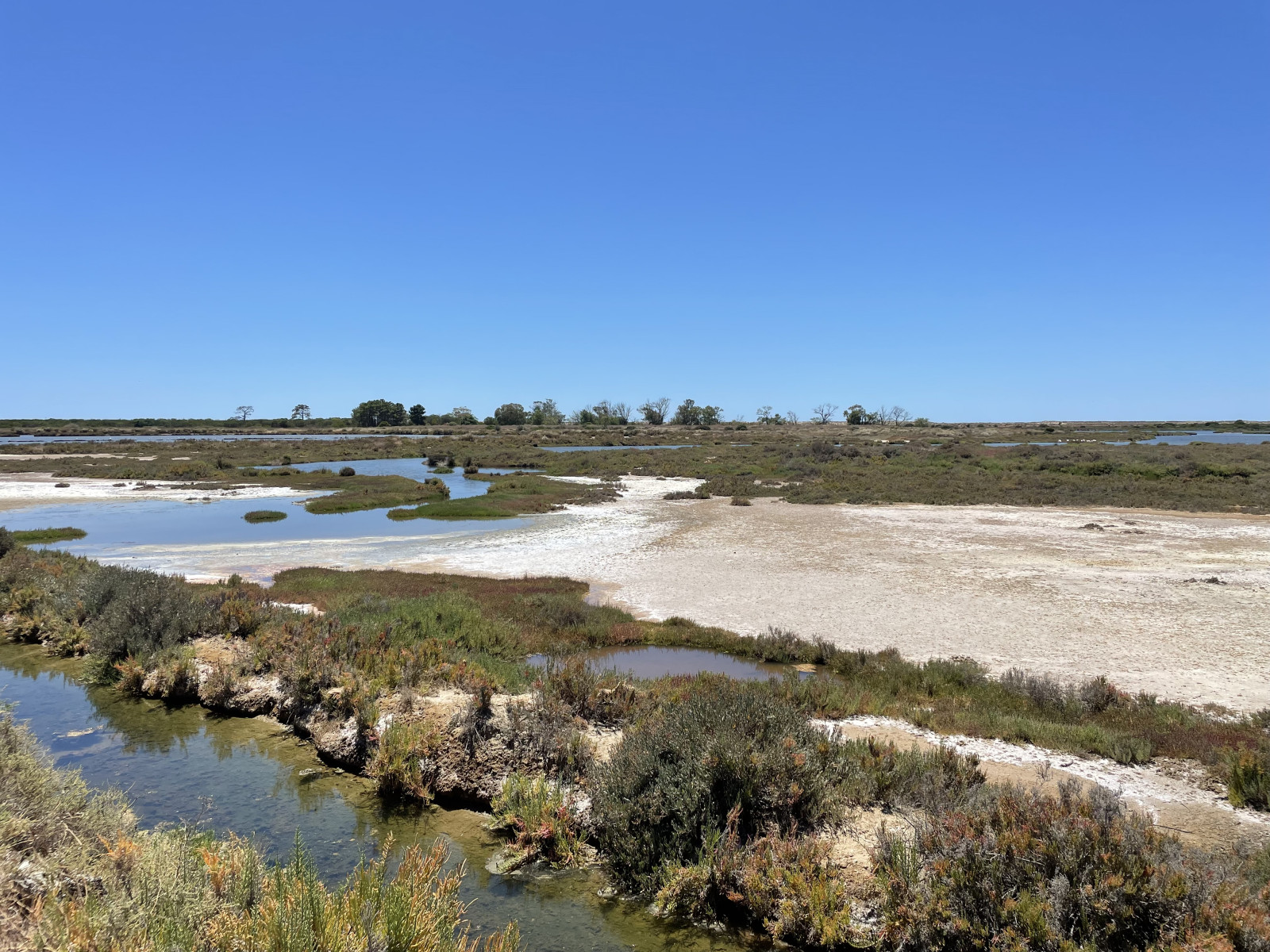
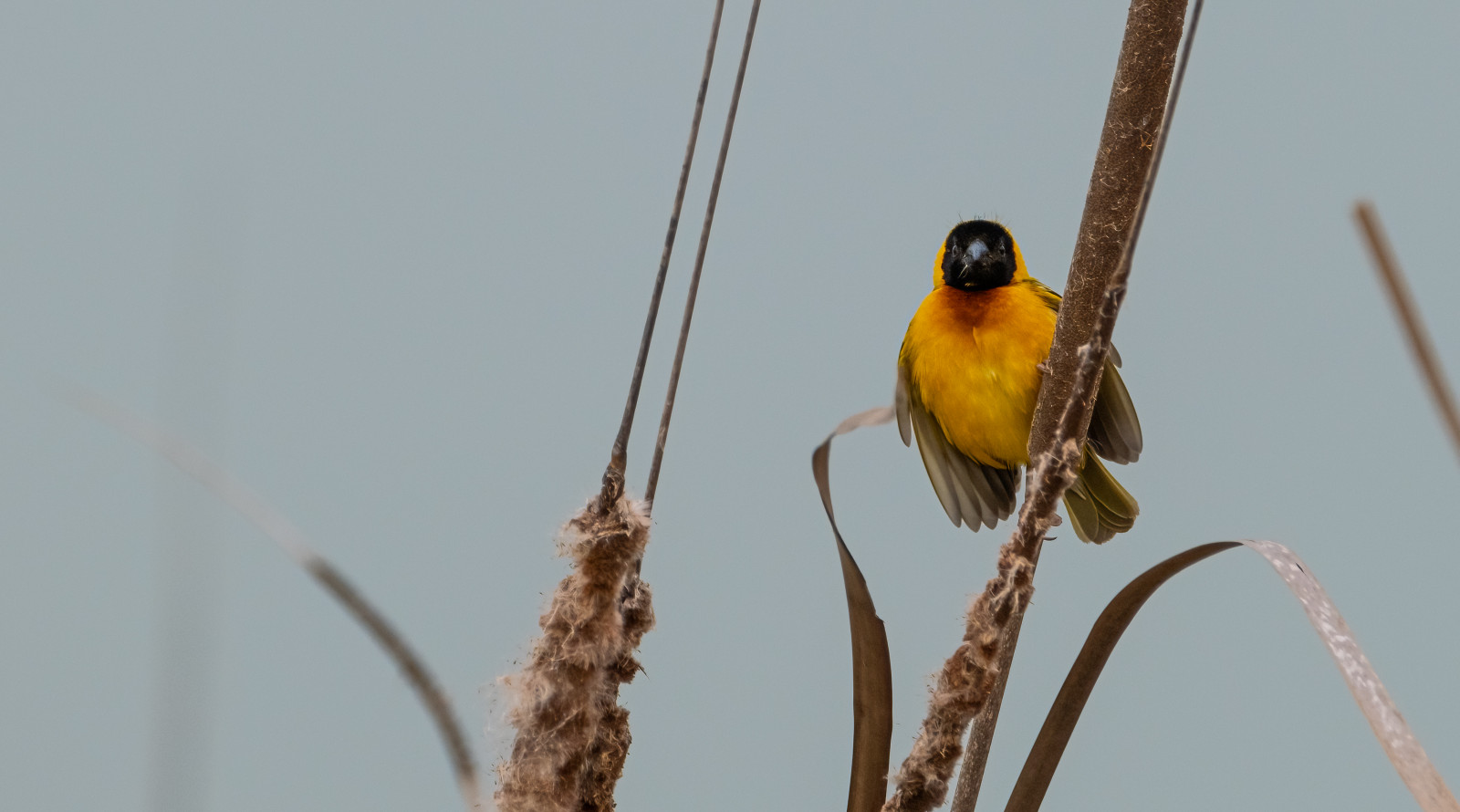
The lagoons and saltpans along the Ludo trail (Caminho do Ludo) offer different habitats and a wide variety of wildlife across them. Year round there are small numbers of Rosaflamingo. Although they’re much more common in bigger flocks from October to March. In the muddy waters of the lagoon you’ll find a variety of wading birds foraging like Löffler, Seeregenpfeifer, Regenbrachvogel, Großer Brachvogel, Säbelschnäbler and Stelzenläufer. While in the brackish waters its quite common to see a variety of ducks and birds like Grünschenkel and other waders. The northern section of the trail takes you alongside some scrubland and small sections of pine forest. Amongst the pine trees that edge the lagoon you might get to see Wiedehopf, Blauelster, Samtkopf-Grasmücke, Schwarzkopfweber, Wellenastrild and if you’re lucky Bienenfresser. Other nice birds you can encounter along the Ludo trail are Kolbenente, Purpurhuhn, Gleitaar, Fischadler and Blaukehlchen (in winter).
Details
Zugang
The Ludo Trail is easily accessible by public transport from Faro. To get there by bus, you’ll need to depart from the city or the beach, Faro. It’s the no.14 or the no.16 bus that’s operated by Proximo. It’s the same bus that loops from the city centre, to the airport, and Praia de Faro. If you’ve got your own transport parking is available alongside the main road and most people just park alongside it. The road is officially called the M527-1, and parking is available on both sides. There’s also a large car park further down the road to Praia de Faro.
The 7km graded trail can be completed in approximately 3-4 hours. But also if you only do a part of the trail you will see many birds, because as soon as you start the trail, you’ll have the natural lagoon on one side of the path and on the other side brackish water and the saltpans. The long version effectively takes you to Quinta da Lago and the village of São Lourenço. On the São Lourenço side is a bird hide.
Terrain und Habitat
Feuchtgebiet , Schlammflächen , MeerBedingungen
Offene LandschaftRundweg
JaIst ein Spektiv nützlich?
Möglicherweise hilfreichGute Beobachtungszeit
GanzjährigBeste Beobachtungszeit
Frühjahr , Herbstzug , FrühjahrszugRoute
asphaltierte Straße , unbefestigte Straße , Normaler WegSchwierigkeitsgrad der Tour
DurchschnittlichErreichbarkeit
zu FußBeobachtungshütten oder -türme
JaZusätzliche Informationen
Note: There is very little shade on the trail so sun cream and a hat is essential during day time hours. So is plenty of water if you plan on completing the full loop.


 ) Tragen Sie die Vogelnamen in Ihrer Sprache ein. Sie werden automatisch für andere Nutzer übersetzt!