Beschreibung
Umm al-Tut is a small but ecologically diverse reserve characterized by evergreen oak woodland, interspersed with open areas, shrubs, and agricultural edges. Its location within a transition zone between the Mediterranean and the semi-arid climate zones creates a rich landscape that supports a wide range of bird species.
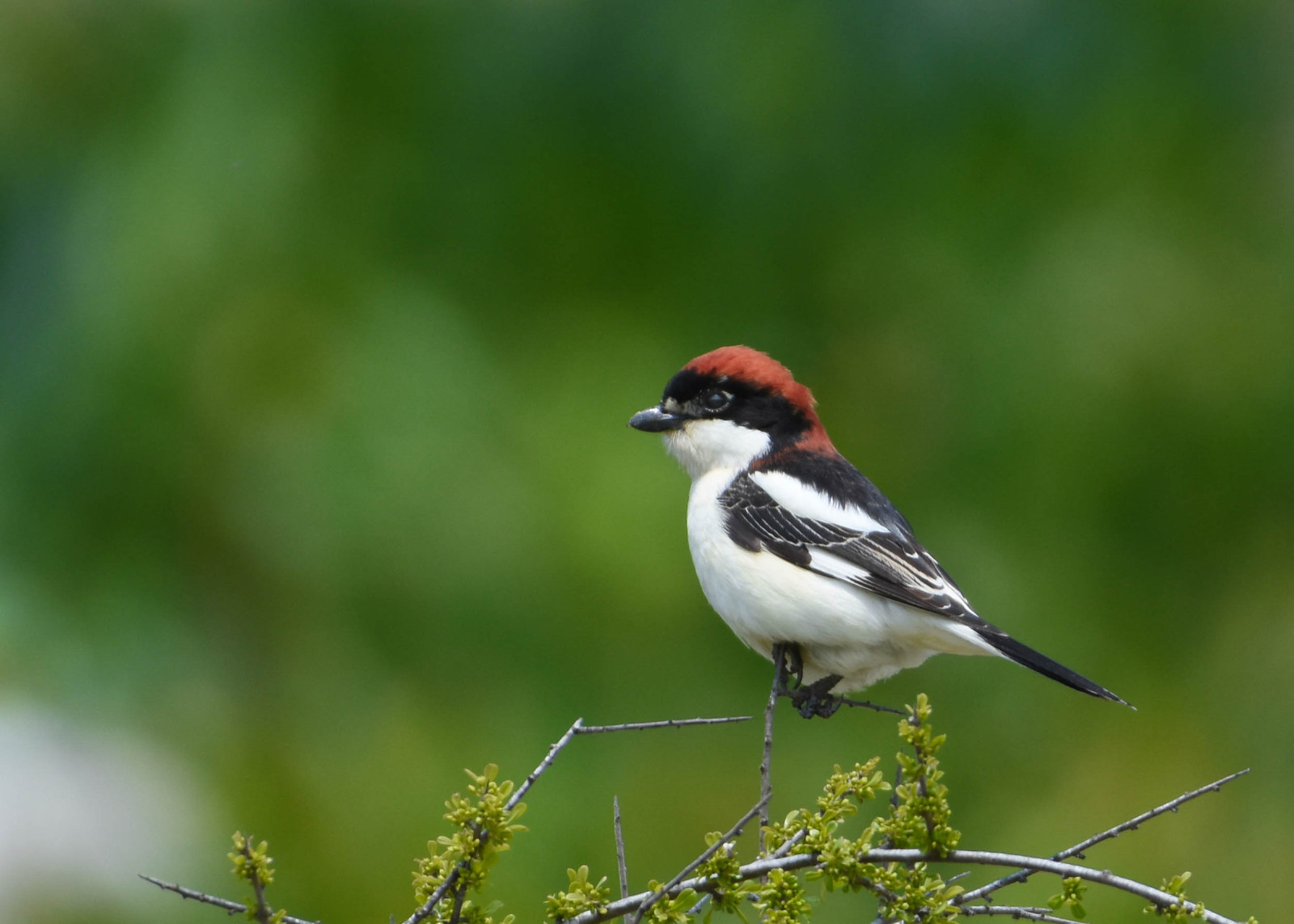
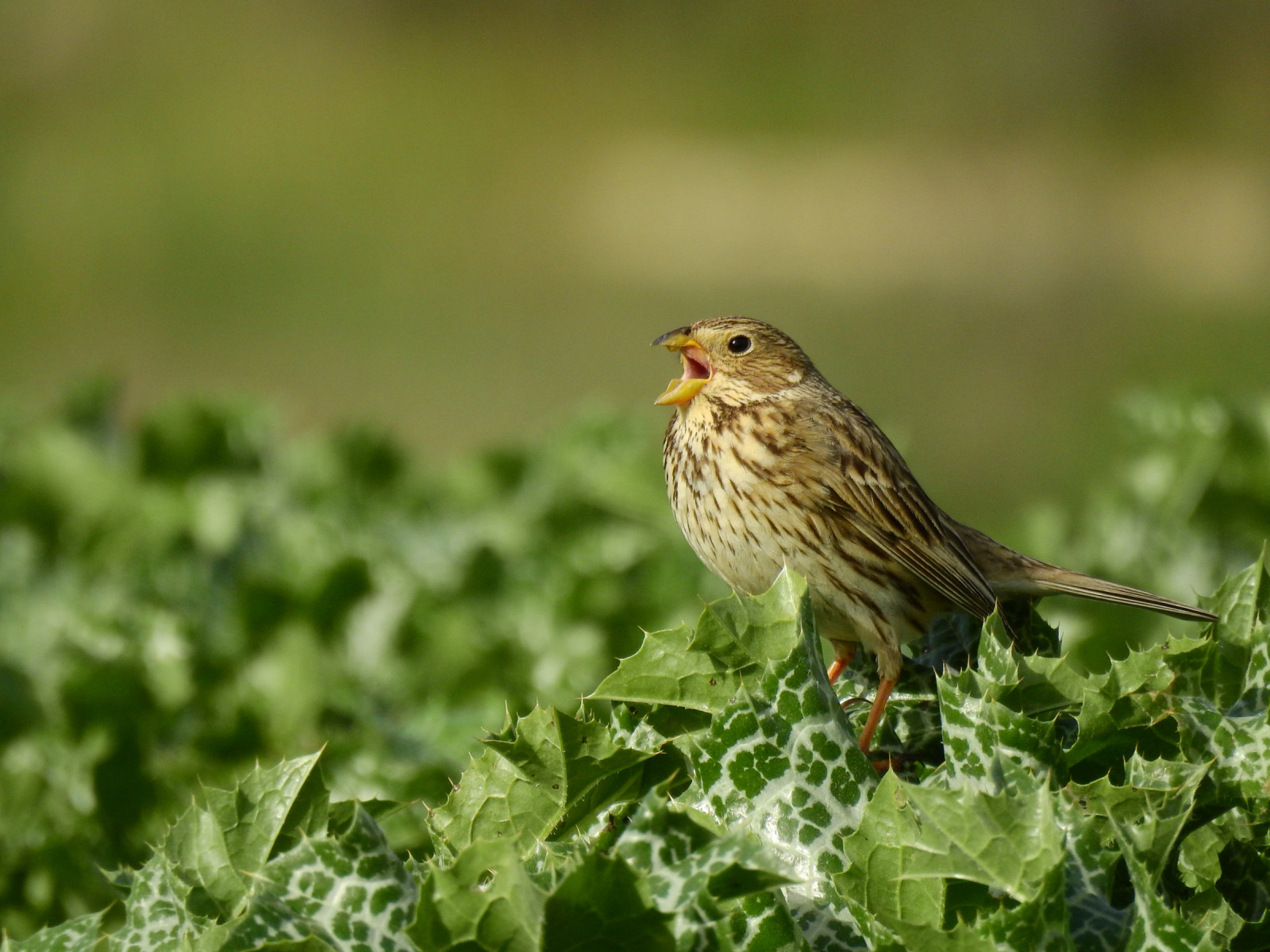
The site is particularly interesting during spring and autumn migrations, when bird diversity is at its highest. Large numbers of passerines use the area as a stopover, including Maskenwürger and Rotkopfwürger, Grauschnäpper, and various warblers such as Mönchsgrasmücke and Klappergrasmücke. Grauortolan and Türkenammer can also be encountered. Soaring birds are often seen overhead, mainly Weißstorch, Steppe Buzzard, and Schwarzmilan, along with occasional less common raptor species.
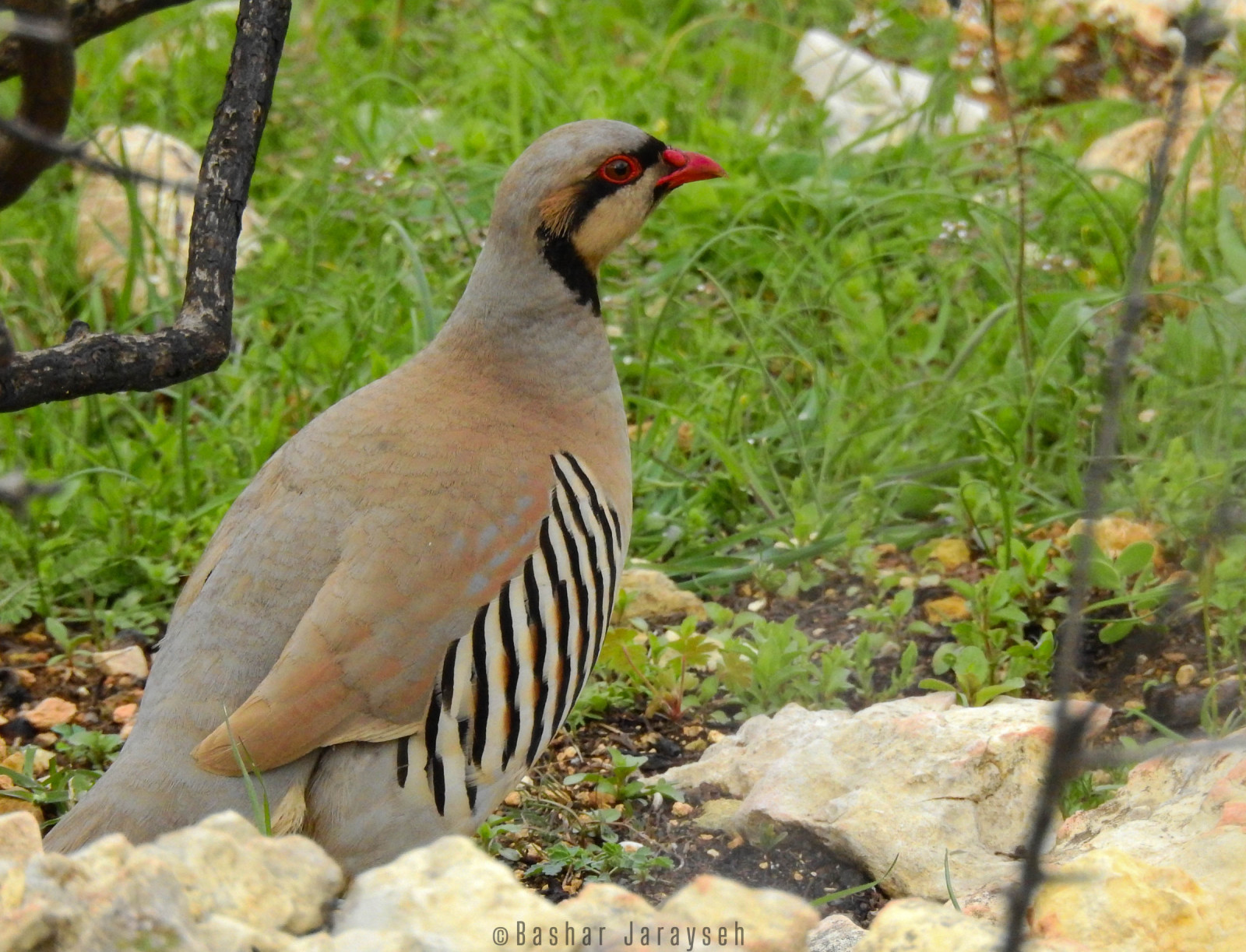
In summer, bird diversity is lower but still includes a number of resident and summer breeding species such as Bienenfresser, Baumfalke, Gelbsteißbülbül, Samtkopf-Grasmücke, and Chukarhuhn.
During winter, the reserve can be productive for finches, including Buchfink, Bergfink, Bluthänfling, and Girlitz, often feeding in open areas and woodland edges.
Details
Zugang
Umm al-Tut Nature Reserve is located southeast of Jenin, near the villages of Umm al-Tut, Jalqamus, and Deir Abu Da’if. The reserve can be accessed by car via local roads that pass through agricultural areas and nearby landmarks such as the Haddad Resort and the Arab American University. Informal parking is available along nearby roads and agricultural tracks. Press a P on the map for directions. There is no direct public transport to the reserve.
The area is best explored on foot. A network of informal trails and dirt paths crosses the hills and woodland, allowing access to different habitats. Walking is generally easy to moderate. Allow 2–3 hours for a typical visit.
Terrain und Habitat
Vereinzelte Bäume und Büsche , LandwirtschaftBedingungen
Hügelig , Trocken , GebirgigRundweg
JaIst ein Spektiv nützlich?
Möglicherweise hilfreichGute Beobachtungszeit
Frühjahr , Herbst , WinterBeste Beobachtungszeit
Winter , Frühjahrszug , Herbstzug , FrühjahrRoute
unbefestigte Straße , Schmaler Pfad , Normaler WegSchwierigkeitsgrad der Tour
DurchschnittlichErreichbarkeit
zu FußBeobachtungshütten oder -türme
NeinZusätzliche Informationen
Umm al-Tut Nature Reserve is most attractive in early spring, when vegetation is at its peak and bird migration is underway. Summer is quieter, while winter can be productive for finches.
Umm al-Tut is also used for grazing and local recreation, and is under pressure from grazing, wood collection, and land-use change. Visitors should remain on paths and avoid disturbing wildlife or agricultural land.


 ) Tragen Sie die Vogelnamen in Ihrer Sprache ein. Sie werden automatisch für andere Nutzer übersetzt!