Beschreibung
Seemingly unbirded, the Maurenertal's Würm region is a short distance from multiple towns, most notably Holzgerlingen, Altdorf, and Hildrizhausen. You can walk to this hotspot within around 30 - 40 minutes from these town's centers, generally, and of course drive or cycle much faster.
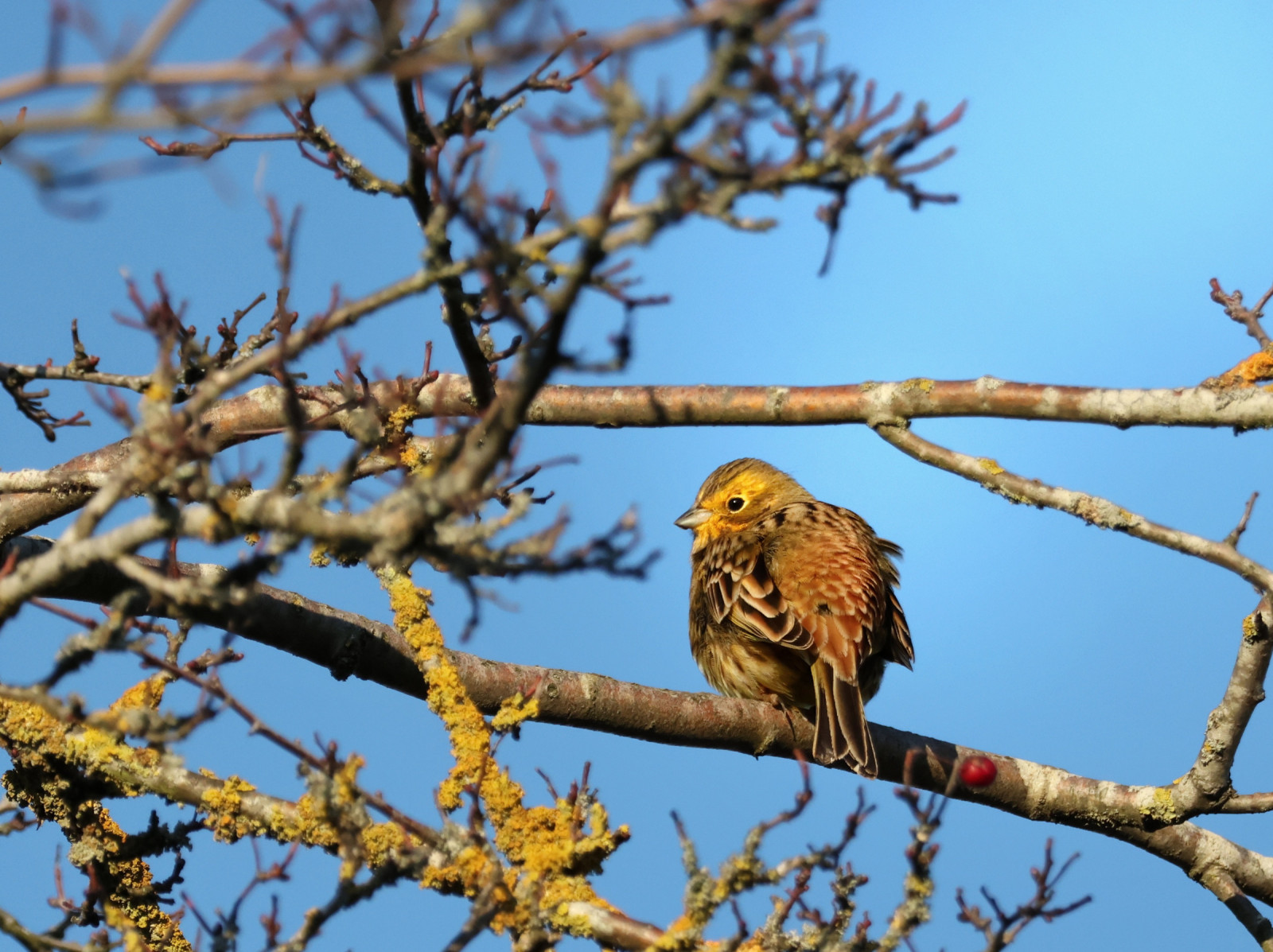
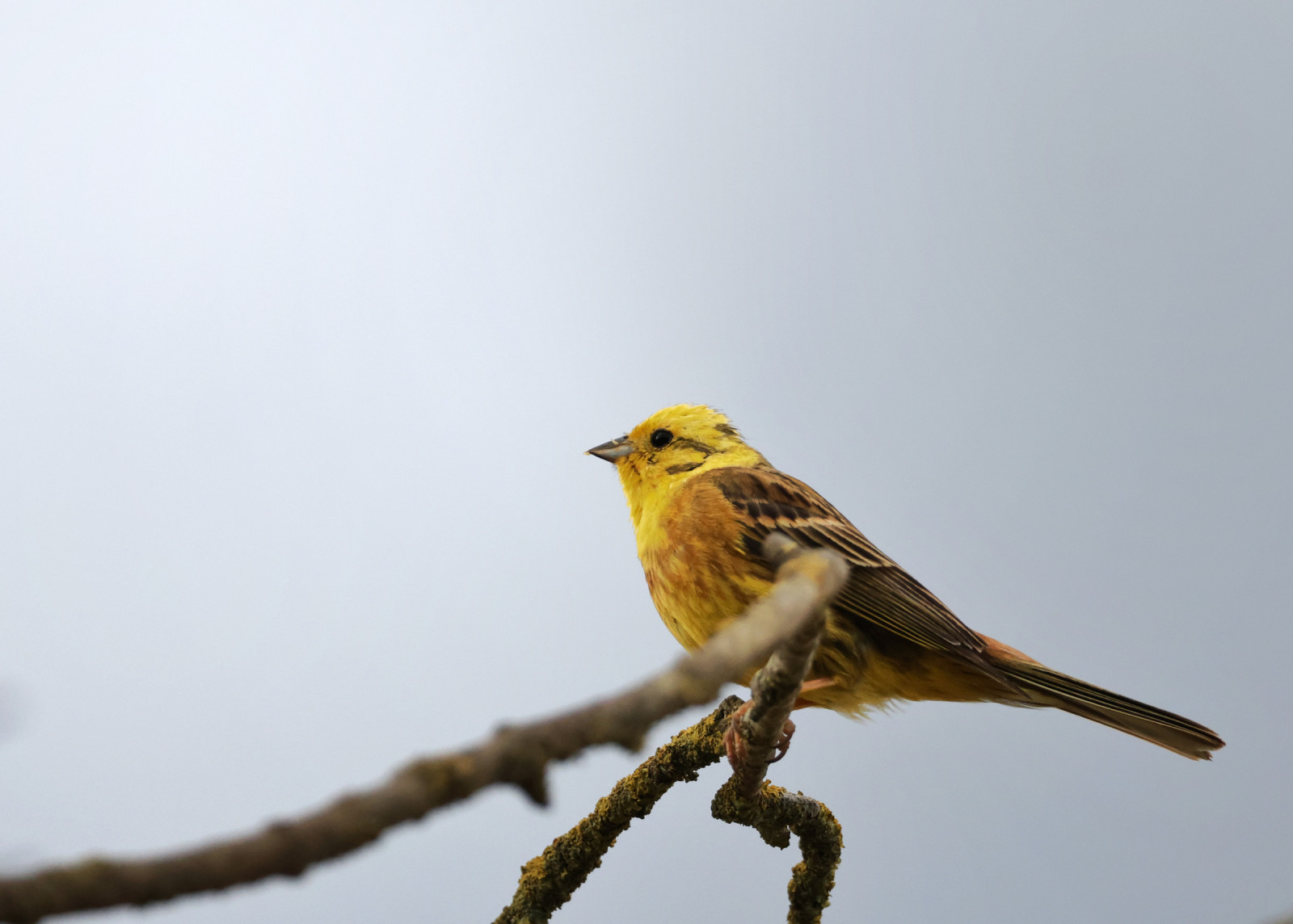
Apart from relatively easy access, the Maurenertal is a nice place to get a day's birding in. While the Würm is little more than a slightly impressive stream here, it still allows for the growth of reeds. In these reeds you can find Sumpfrohrsänger, Teichrohrsänger, and Rohrammer. Graureiher use the Würm itself to fish, and you may spot Stockente in the sky heading to the nearby Maureren See. Also keep your eyes to the sky to catch overhead Rotmilan, Mäusebussard, Turmfalke, Ringeltaube, Hohltaube, and more. In the fields near the reeds you may find Graugans, and in the trees near the reeds, Goldammer hide. Goldammer are can also be found on powerlines, listen for their diagnostic call.
While birding the reeds, remember to watch the fields as well. Here you can find Rabenkrähe, Dohle, large flocks of Star, and possibly a Rotmilan that has come in for a landing. This area of the valley is quite the pigeon hotspot. Don't brush off all pigeons flying overhead or foraging in fields as Ringeltaube; many rarer Hohltaube use this area as well, and often associate with the Ringeltaube. You may also hear the incessant calling of the Kuckuck, good luck finding it!
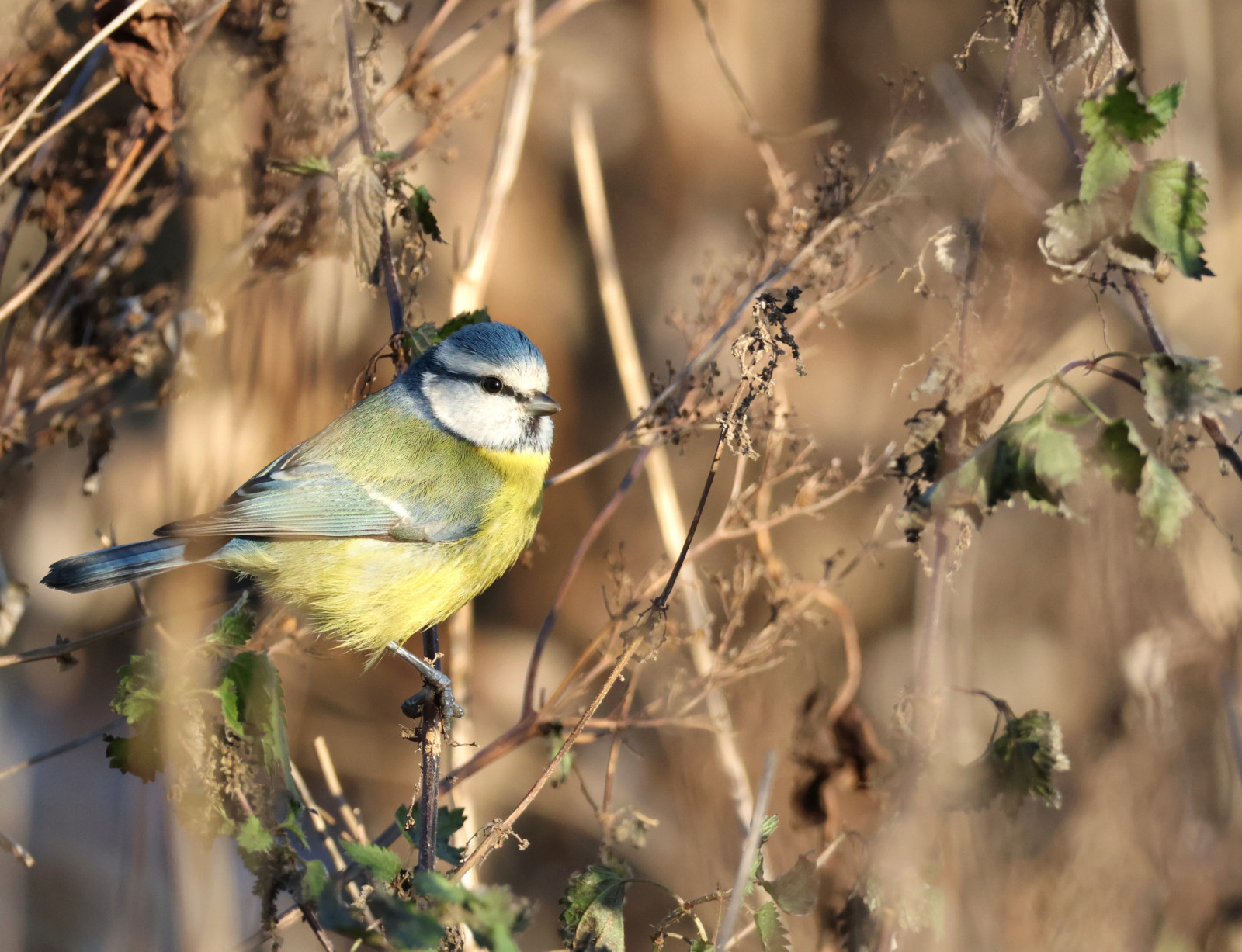
If you continue past the main birding area of the valley, you will find the Maureren See. This pond is home to Stockente, Nilgans, Graugans, Graureiher, Bläßhuhn, and Zwergtaucher, at least. Kormoran can occasionally be found, and if you're lucky, you may spot the resident Eisvogel. Not all may be present at once. On the walk to the pond you may find forest birds like Zaunkönig, Buntspecht, Kohlmeise, Amsel, Buchfink, Rotkehlchen, and more.
The walk there from the Wasserturm Altdorf route has various forest and park birds like Feldsperling, Ringeltaube, Gartengrasmücke, and more. Additionally, the Panoramaweg, accessible by taking a turn from the Maurener Straße on your walk towards Würm Maurenertal, is home to many Goldammer (depending on the crop availability). This may be one of the best places to photograph these birds in the area, though you'll have to be patient. People walk, run, and cycle through here as well, which may disturb the Goldammer as you're trying to photograph them. Keep coming back and you'll eventually get your shots! Other birds like Turmfalke, Rotmilan, Feldsperling, and Ringeltaube can also be observed here. Panoramaweg has its own new hotspot on eBird, please report any sightings you make there to help grow the data (linked below).
Details
Zugang
As stated above, you can - with relative ease, as long as you're good with longer walks - get to the Würm region of Maurenertal from Holzgerlingen, Altdorf, and Hildrizhausen on foot. From Ehningen, Gärtringen, and Rohrau, it's probably a better idea to skip the walk and just drive.
Probably the closest parking is the Parkplatz Am Wasserturm, a very small parking lot from which you can quite easily walk to the area. Press P on the map for directions to the parking.
You can definitely bike to the hotspot, though you'll then have to find a place to keep your bike. Unfortunately, there were no designated bike storage areas within the general vicinity of the hotspot. In the end you'll have to walk to bird, so the best way to explore is probably to either park and walk to the location, or walk from one of the nearby towns.
Allow a good amount of time for transit and birding. The place is relatively small and can be explored with minimal walking once you arrive (especially if you skip out on the Maureren See, though it's quite close anyways), but the longer you stay the more interesting birds may show up.
Terrain und Habitat
Vereinzelte Bäume und Büsche , Wald , Ebene , Grasland, Wiesen , Teich , Schilfflächen , Fluss , Landwirtschaft , Park , TalBedingungen
Flach , Hügelig , Offene Landschaft , Kein SchattenRundweg
NeinIst ein Spektiv nützlich?
NeinGute Beobachtungszeit
Ganzjährig , WinterBeste Beobachtungszeit
Frühjahr , WinterRoute
asphaltierte StraßeSchwierigkeitsgrad der Tour
DurchschnittlichErreichbarkeit
zu Fuß , Fahrrad , AutoBeobachtungshütten oder -türme
NeinZusätzliche Informationen
Remember that there are other people here too, as the main route is a popular cycling, walking, and jogging path.
The grass is sometimes overgrown around the reeds, but eventually gets cut. When it is overgrown, access to the area directly around the reeds may be prevented. Fencing may also occasionally be placed around the area, and cattle are sometimes present.
Availability of Goldammer at the Panoramaweg changes with crop availability.
Don't trample any crops please, and try not to disturb the wildlife too much.
There are also foxes and hares here. There are many insects too, and although they don't always respect your boundaries, I didn't come across any biting ones. Don't kill them, then, just swat at them and move on!
The Maureren See is also known for having Stone Crayfish, now threatened in many areas due to the introduction of invasive crayfish species.


 ) Tragen Sie die Vogelnamen in Ihrer Sprache ein. Sie werden automatisch für andere Nutzer übersetzt!