
Beschreibung
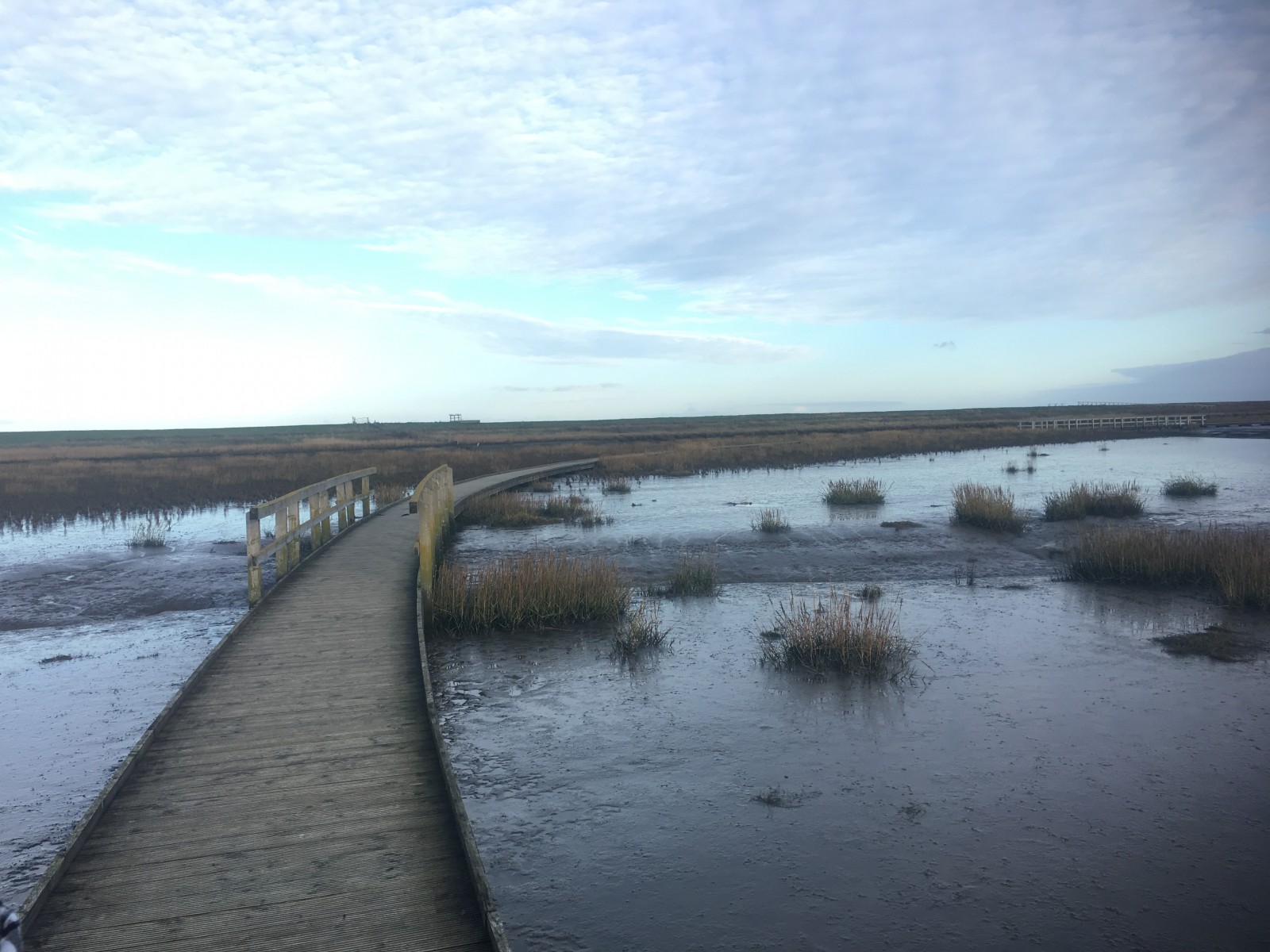
The Langwarder Groden was created by reopening a front dike, so that the diked Groden was opened again to the influence of the tide. This created extensive mud flats, shallow water areas and salt marshes - habitats for many breeding and resting birds. The Groden is part of the Wadden Sea National Park. During the breeding season, for example, Wiesenpieper, Feldlerche, Rotschenkel or Kiebitz can be found here. During migration times, numerous migrants of the Wadden Sea can be observed here, partly in impressive numbers of waders, such as Rotschenkel, Goldregenpfeifer or Großer Brachvogel and ducks, such as Pfeifente, Krickente or Spießente. Sumpfohreule and Kornweihe also hunt in the salt marshes in winter.
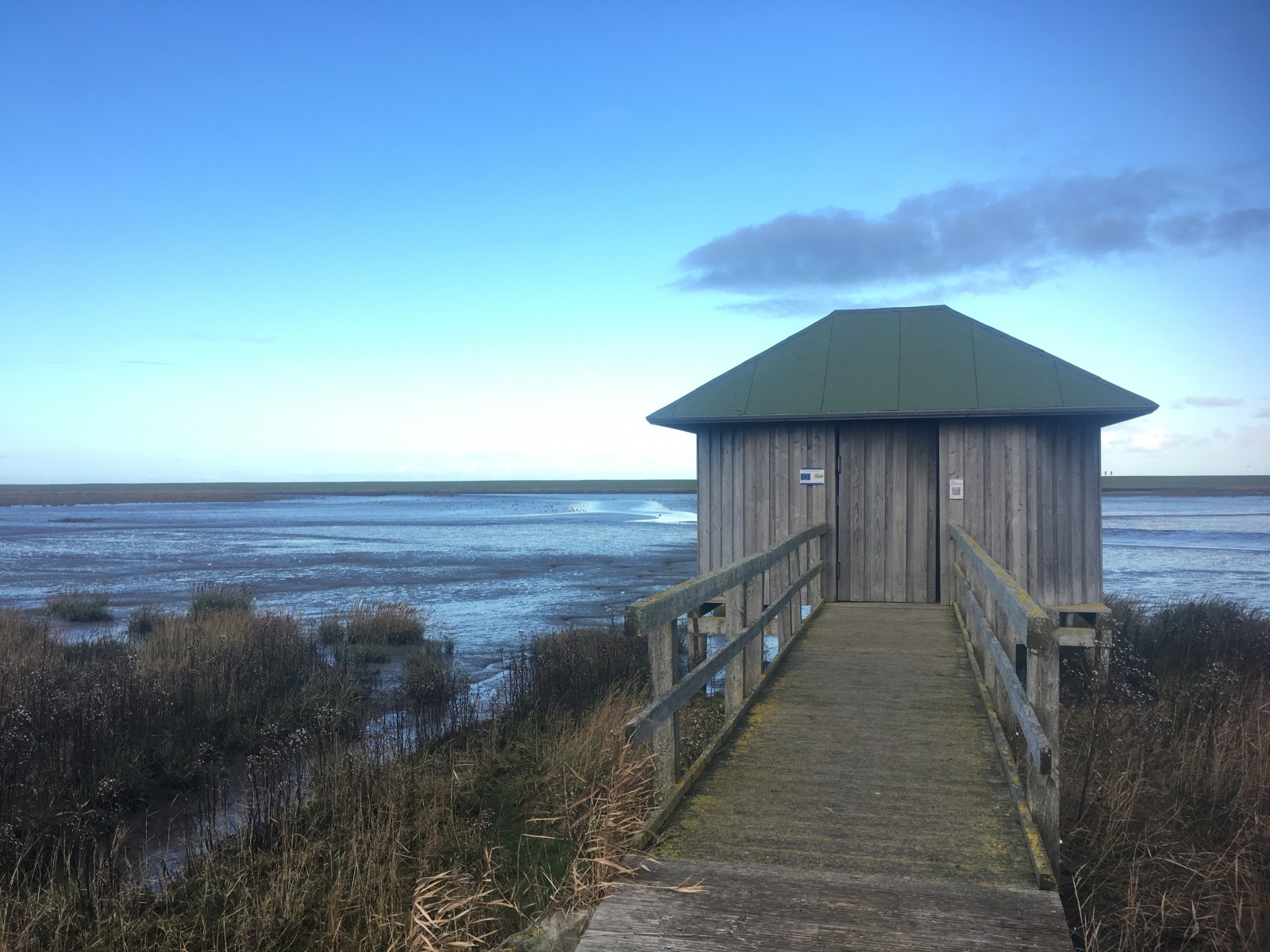
The typical songbird winter guests such as Berghänfling, Ohrenlerche, Strandpieper and Schneeammer, as well as Spornammer can also be found here. There is a nicely landscaped path through the shingle areas and a very well positioned bird watching hide. Inside the dyke you can also watch flocks of geese grazing from the main dike. The "National Park House" visitor center is located in Fedderwardersiel.
Details
Zugang
There are parking spaces in the inner dike. Easily accessible by bike along the North Sea dike, but in some of the central areas of the area there is a cycling ban. Difficult to get to by public transport.
Terrain und Habitat
Feuchtgebiet , Grasland, Wiesen , Meer , SchlammflächenBedingungen
Flach , Kein Schatten , Hochwasser möglich , Offene Landschaft , RutschigRundweg
JaIst ein Spektiv nützlich?
Möglicherweise hilfreichGute Beobachtungszeit
GanzjährigBeste Beobachtungszeit
Winter , Frühjahrszug , HerbstzugRoute
Schmaler Pfad , unbefestigte Straße , asphaltierte Straße , Normaler WegSchwierigkeitsgrad der Tour
DurchschnittlichErreichbarkeit
zu Fuß , RollstuhlBeobachtungshütten oder -türme
JaZusätzliche Informationen
In summer it can be very crowded due to the North Sea tourists.


 ) Tragen Sie die Vogelnamen in Ihrer Sprache ein. Sie werden automatisch für andere Nutzer übersetzt!