Beschreibung
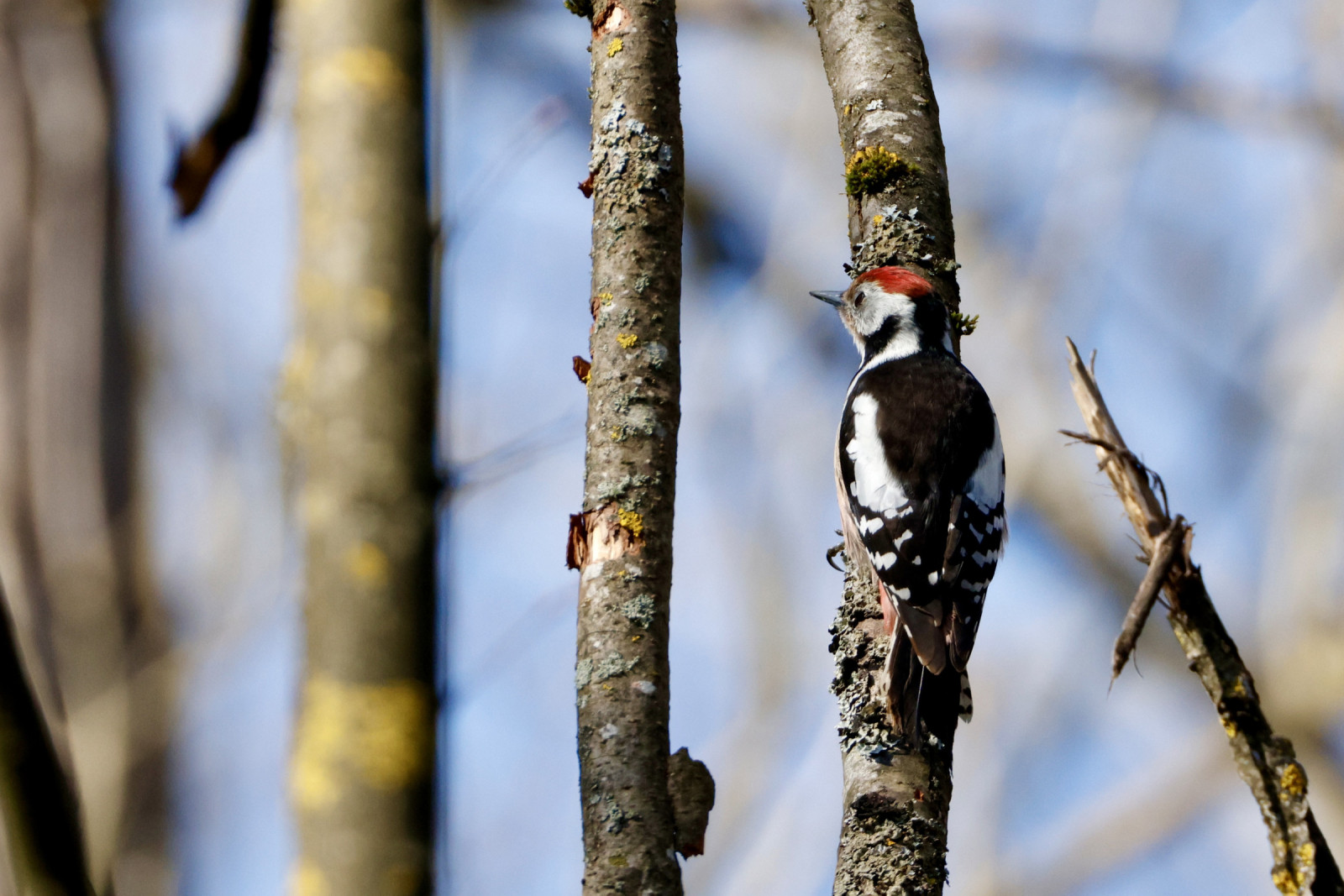
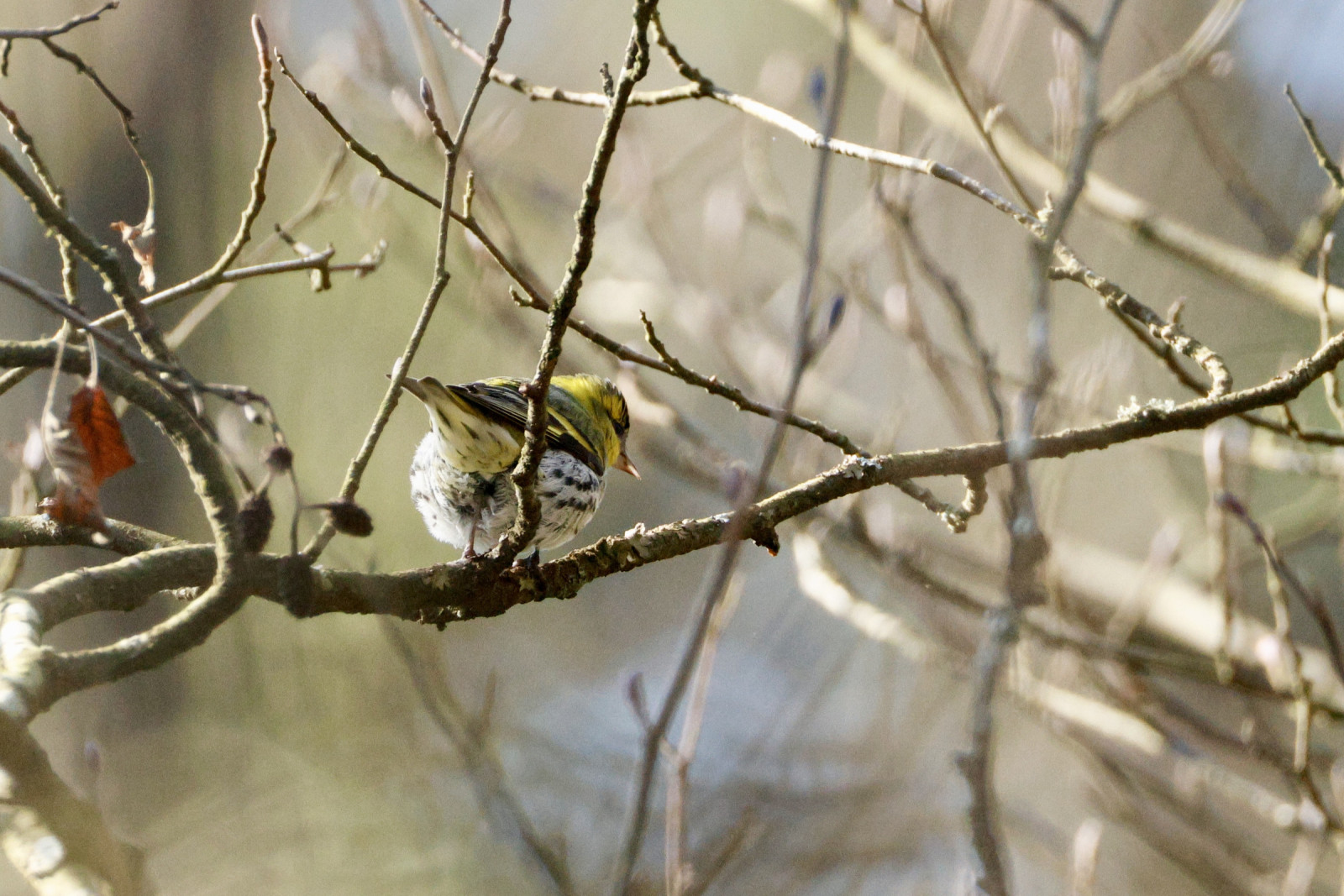
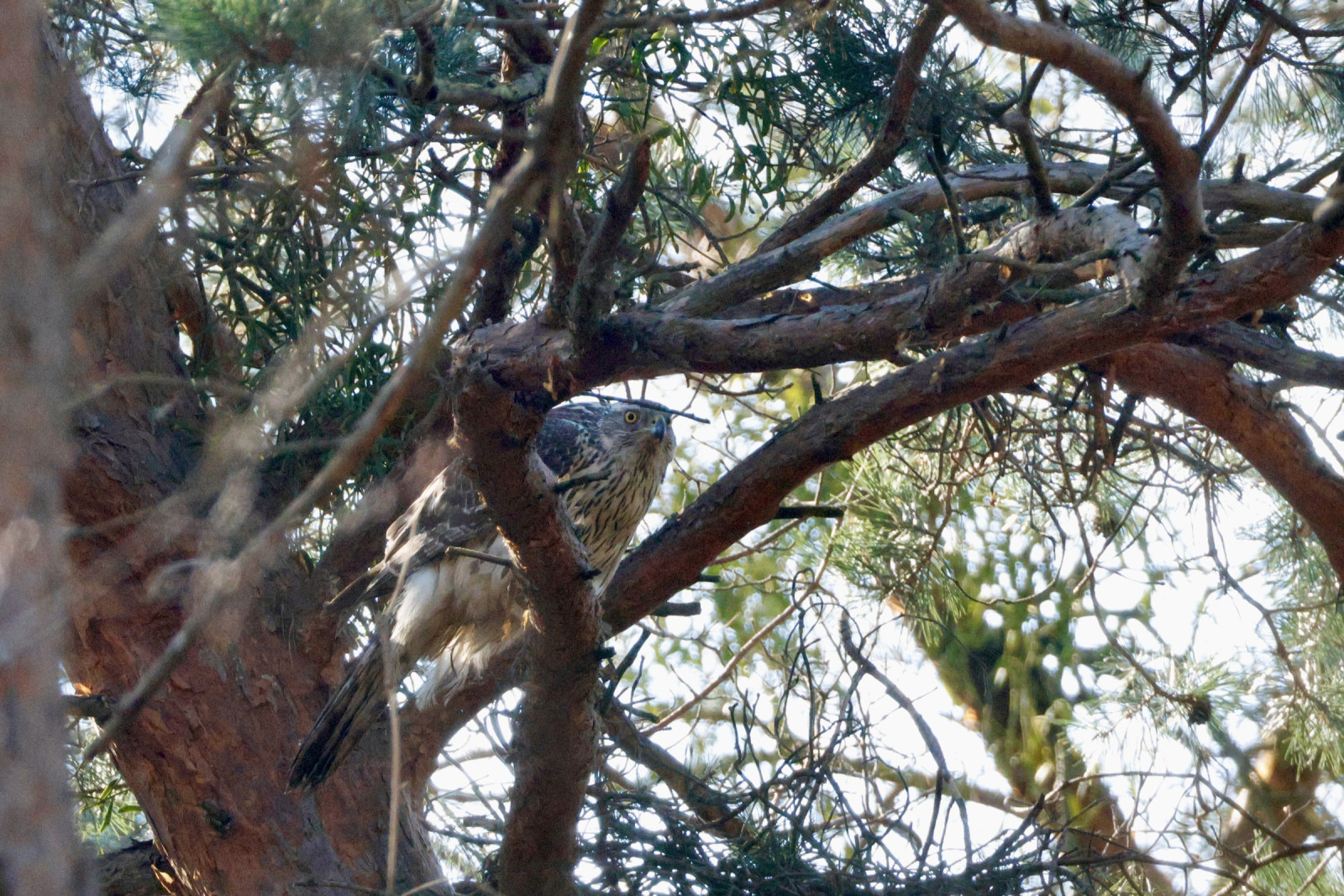
Brucker Lache is a scenic Bannwald characterized by old alluvial forest, small ponds, wet meadows, and deadwood-rich areas. In spring, you can hear the song of Mönchsgrasmücke and Zilpzalp, while summer brings breeding woodpeckers like the Buntspecht, Mittelspecht, Schwarzspecht, Grauspecht (rare) and Kleiber.
Autumn attracts migrating thrushes and finches, and winter offers the chance to spot Waldkauz or treecreepers. The mix of quiet forest, water features, and minimal human disturbance makes it a peaceful haven for birdwatchers and nature lovers alike.
Details
Zugang
The easiest access to Brucker Lache is from the nearby village of Bruck, where local streets lead to the forest edges. There is limited parking along small side roads, but no formal parking lot. In the south of the area is a parking lot. Press P on the map for directions.
Public transport is possible with the S-Bahn station Erlangen-Bruch (1), only a 10-15 min walk to the forest edge. Also possible via bus lines from Erlangen to Bruck, though some walking (10–15 min) is also required to reach the main forest paths.
The area is best explored on foot to fully enjoy the quiet forest, meadows, and ponds; cycling is possible on forest tracks but may be restricted in sensitive zones.
Allow 2–3 hours for a leisurely visit to experience the main trails, birdlife, and scenic spots. The circular walking route shown on the map is about 3 km.
Terrain und Habitat
Wald , FeuchtgebietBedingungen
FlachRundweg
JaIst ein Spektiv nützlich?
NeinGute Beobachtungszeit
GanzjährigBeste Beobachtungszeit
Frühjahrszug , Winter , FrühjahrRoute
unbefestigte Straße , Schmaler Pfad , Normaler WegSchwierigkeitsgrad der Tour
EinfachErreichbarkeit
zu Fuß , FahrradBeobachtungshütten oder -türme
NeinZusätzliche Informationen
Near Brucker Lache, the Walderlebniszentrum Tennenlohe (2) offers educational trails, exhibitions, and activities about local forests and wildlife. It’s a great complement to a visit, especially for families or anyone interested in learning more about the ecology of the Regnitz floodplain and surrounding woodland. Combining both sites makes for a full nature-focused day.



 ) Tragen Sie die Vogelnamen in Ihrer Sprache ein. Sie werden automatisch für andere Nutzer übersetzt!