
Beschreibung
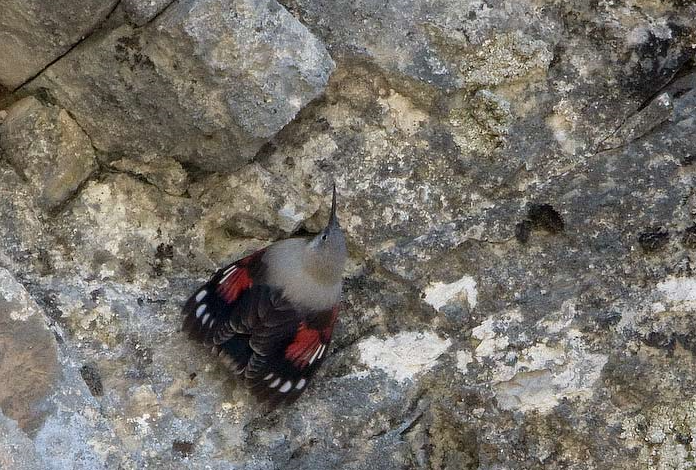
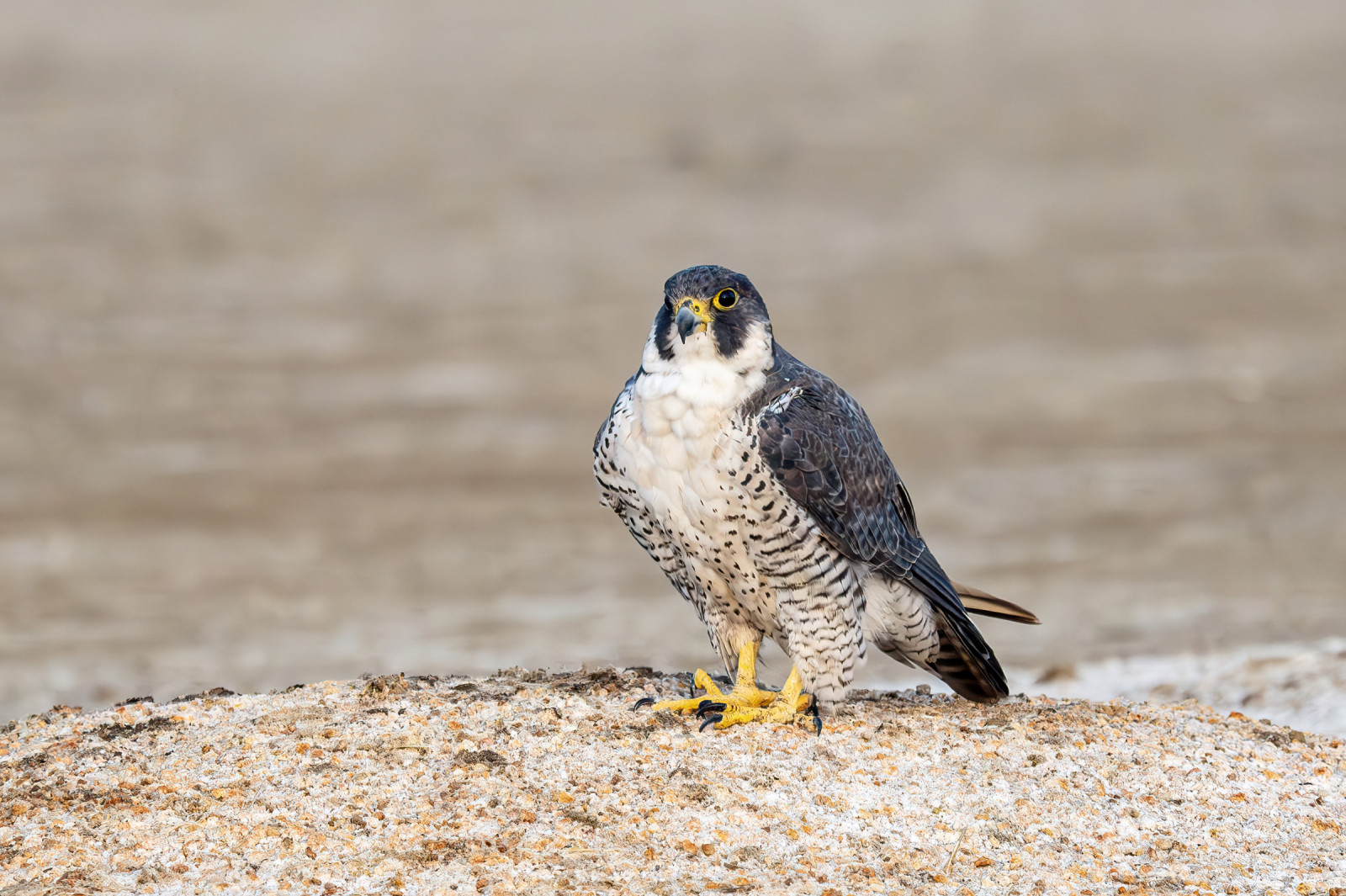
The Falaises de la Vézère are the beautiful limestone cliffs that run along the river from Sergeac and Saint-Léon-sur-Vézère to Limeuil. These cliffs, up to a hundred meters high, harbor many birds. The Grand Roc limestone cliff is an ideal site to observe Mauerläufer in winter. In spring, it is the kingdom of the Wanderfalke. Next to the birds these cliffs also bear the traces of an exceptional prehistoric and historical human occupation (prehistoric shelters, cave dwellings of the Middle Ages).
_________________________
Français: Falaise du Grand Roc. Abrupt calcaire très propices aux espèces rupestres. En hiver, c'est un site idéal pour observer le Tichodrome échelette. Au printemps, c'est le royaume du Faucon pèlerin.
Details
Zugang
You can park at the foot of the Grand Roc cliff. See the P on the map. The surrounding area is also great for hiking. A nice walk is the 10 km Boucle de Gorge d'Enfer (Hells Gorge Trail) which starts a little further on. The Boucle de Gorge d'Enfer trail is shown on the map.
_________________________
Français: Voiture obligatoire, avec un parking au pied de la falaise.
Terrain und Habitat
Schlucht/CliffBedingungen
Trocken , Flach , FelsigRundweg
NeinIst ein Spektiv nützlich?
JaGute Beobachtungszeit
GanzjährigBeste Beobachtungszeit
Winter , FrühjahrRoute
asphaltierte StraßeSchwierigkeitsgrad der Tour
EinfachErreichbarkeit
Auto , Fahrrad , RollstuhlBeobachtungshütten oder -türme
NeinZusätzliche Informationen
Several couples of Wanderfalke are nesting in the holes of the limestone cliff. Reintroduced in the 80s, this species nearly disappeared because of pesticides, hunting, certain outdoor activities which disturb birds, or other raptors. The volunteers of LPO (BirdLife in France) are surveying the nesting and reproduction of these birds.
_________________________
Français: Réintroduite dans les années 80, cette espèce de rapace a failli disparaître, victime à la fois des pesticides, de la chasse, de certaines activités de pleine nature qui dérangent les oiseaux voire d’autres rapaces. Les bénévoles de la LPO (Ligue Protectrice des Oiseaux) surveillent en particulier la nidification et la reproduction de ces oiseaux.



 ) Tragen Sie die Vogelnamen in Ihrer Sprache ein. Sie werden automatisch für andere Nutzer übersetzt!