.jpg)
Beschreibung
Frydenstrand is a small, shallow wading area just north of Frederikshavn harbour. The area is bordered by Palmestranden to the north, the harbour to the south, the Kattegat to the east, and Frederikshavn city to the west. The area consists of shallow coastal waters and mudflats that vary in depth depending on the tide. The area is mostly sheltered by a sandbank located between the flats and the sea. Reed beds and low-growing shrubs are scattered along the coast. There is also a small abandoned marina and a small fortification, Nordre Skanse, surrounded by a moat.
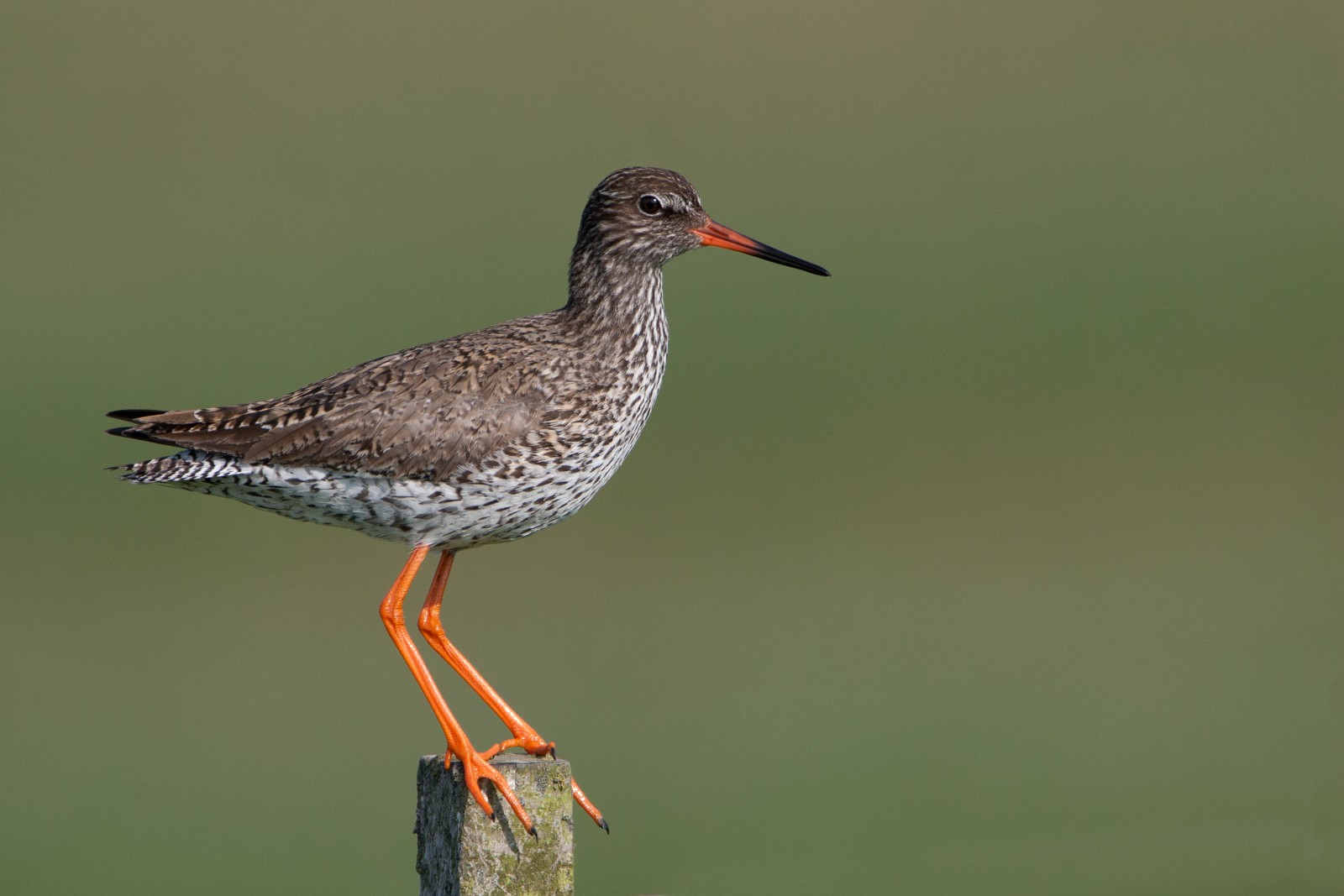
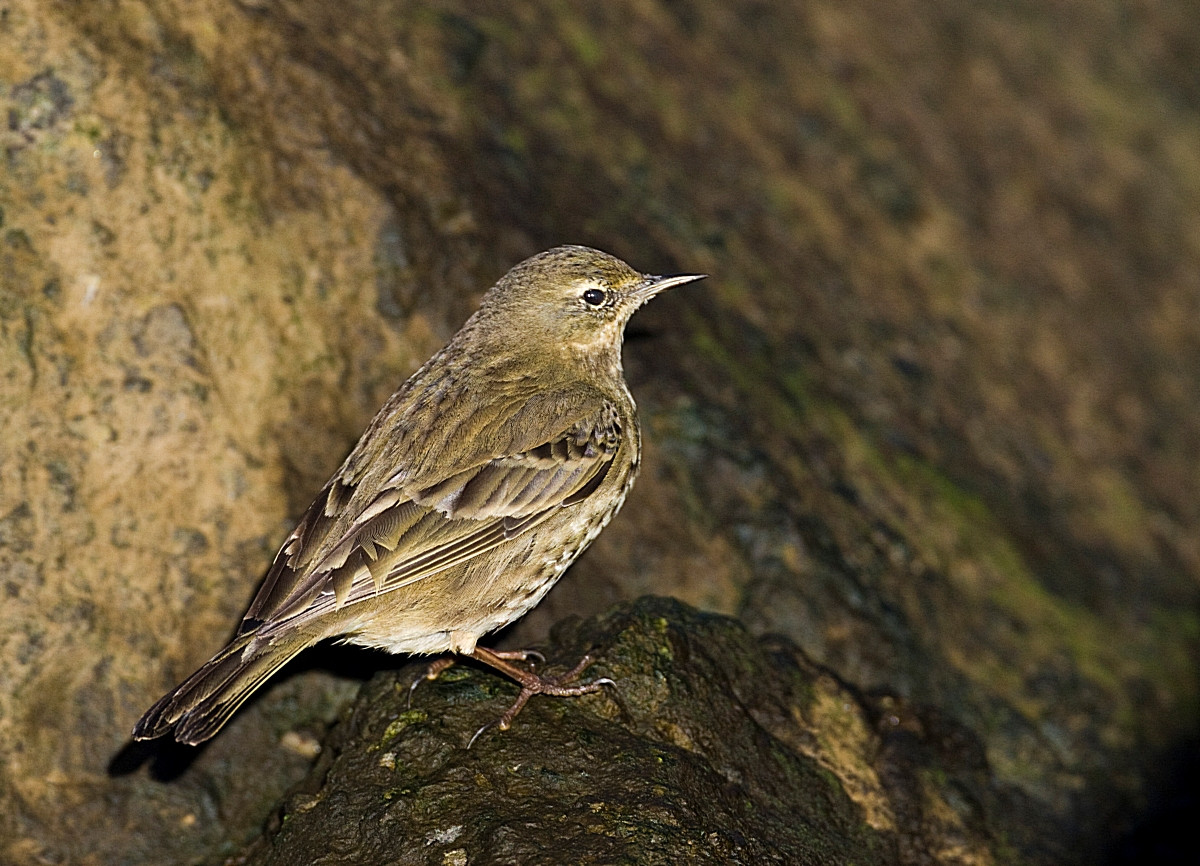
Overall, the area is a good place to observe waders, ducks, and seabirds. Species such as Rotschenkel, Alpenstrandläufer, Sandregenpfeifer, Austernfischer, Goldregenpfeifer, Grünschenkel, Steinwälzer, Graureiher, Ringelgans, Brandgans, Löffler, Silbermöwe, Lachmöwe, Mantelmöwe can often be seen on the mudflats and on the sandbank. Other notable species in the area include Mittelsäger, Brandseeschwalbe, Eisvogel, Bartmeise, Strandpieper, Bachstelze, Star, Kormoran, Rohrammer, Zwergtaucher, Turmfalke, Feldlerche.
Details
Zugang
The area is located just north of Frederikshavn habour and is easily accesible on foot, by car, or by bicycle. Parking is available near the small abandoned marina or by the small fortification, and paths from both the north and the south lead to the area. However, the mudflats and outer sandbank should only be accessed on foot, and overall, the area is best explored on foot. And be careful! The mudflats can sometimes be quite slippery. If you arrive in Frederikshavn by train, it is approximately 1.4 km from the train station to the area. The amount of time you should set aside for a visit can vary greatly. Some days there can be quite a lot of activity and many birds to count, while on other days there are virtually no birds. You can extend your visit by walking north along the coast to Palmestranden or south along the pier to observe seabirds.
Press P on the map for directions to a parking.
Terrain und Habitat
Strand , Schlammflächen , MeerBedingungen
Hochwasser möglich , Sandig , Sumpfig , RutschigRundweg
JaIst ein Spektiv nützlich?
Möglicherweise hilfreichGute Beobachtungszeit
GanzjährigBeste Beobachtungszeit
Sommer , Winter , Herbst , FrühjahrRoute
Normaler Weg , Schmaler PfadSchwierigkeitsgrad der Tour
DurchschnittlichErreichbarkeit
zu FußBeobachtungshütten oder -türme
NeinZusätzliche Informationen
Although there are no dedicated hides or observation platforms in the area, the small white bridge that provides access to the mudflats can be used as an alternative viewpoint. Please note, however, that the bridge is quite steep and can be slippery.
.jpg)


 ) Tragen Sie die Vogelnamen in Ihrer Sprache ein. Sie werden automatisch für andere Nutzer übersetzt!