
.jpg)
Beschreibung
Fornæs is a migration hub covering both east, north and west. And there is a good chance of seeing Gryllteiste since they breed close by. As well as Tordalk in huge numbers migrating (100.000 estimated on one good day) and a few staying through the winter. In spring and fall huge flocks of birds of prey arrive on route to Sweden or exploring the north. Rare birds are seen regularly, though not every day.
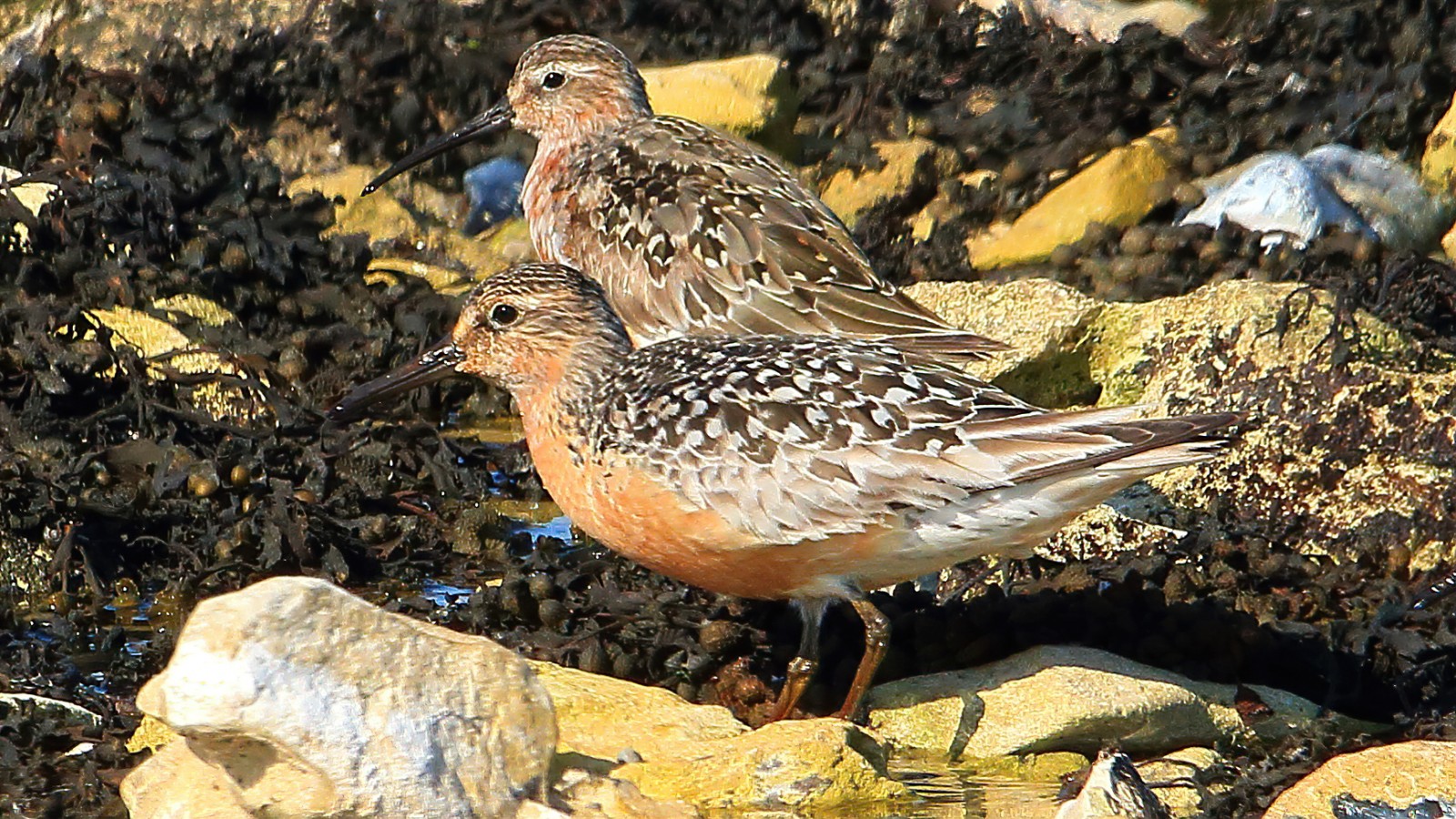
Waders live at the coast, as well as terns, ducks and geese. Various small birds such as Steinschmätzer come here outside their breeding season and usually stay a while before migrating further. Basstölpel hunt outside the coast, though usually far out. Samtente and Trauerente live here permanently.
Details
Zugang
You can park at the lighthouse then walk north.
Terrain und Habitat
Grasland, Wiesen , Meer , Vereinzelte Bäume und BüscheBedingungen
Flach , Offene LandschaftRundweg
JaIst ein Spektiv nützlich?
JaGute Beobachtungszeit
GanzjährigBeste Beobachtungszeit
Frühjahrszug , HerbstzugRoute
asphaltierte Straße , Normaler Weg , unbefestigte StraßeSchwierigkeitsgrad der Tour
EinfachErreichbarkeit
zu Fuß , Fahrrad , Auto , RollstuhlBeobachtungshütten oder -türme
NeinZusätzliche Informationen
If you dont mind a 6-7 km (both ways total) long walk you can follow along the coast in northern direction and you end up at Sangstrup Klint, where million year old fossils can be found, and you are sure to see a lot of birds on the way.
Links
- Official but limited Tourist information
- Article about birding spots in the general area - In Danish need google translate.
- Information in English about the north-east coast of Djursland - Which Fornæs is part of


 ) Tragen Sie die Vogelnamen in Ihrer Sprache ein. Sie werden automatisch für andere Nutzer übersetzt!