Beschreibung
The Cann River Bushland Rainforest Walk is really an extraordinary walk. The walk goes through mature Lilly Pilly (Acmena smithii) rainforest, open wet schlerophyll forest, visits the reed and cumbungi-lined river bank and has views across the river flats. Most of the walk wasn’t burnt in the Black Summer megafires of 2020.
There is plenty of rainforest fruit for birds, spread across the year. Muttonwood (Myrsine howittiana) is present and usually fruits heavily, in summer (range October to March). Prickly Currant-bush (Coprosma quadrifida) fruits in late summer (range December to March). Lilly Pilly usually fruits about April (range December to June) in East Gippsland.
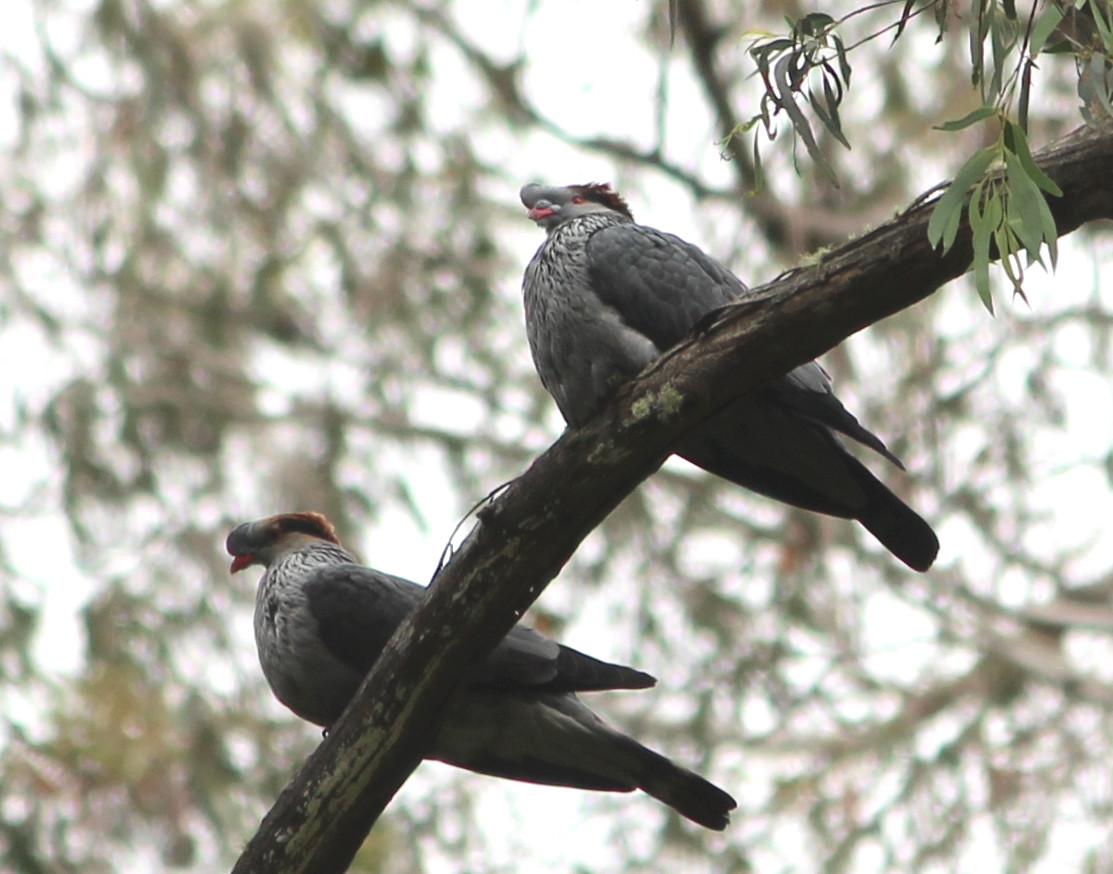
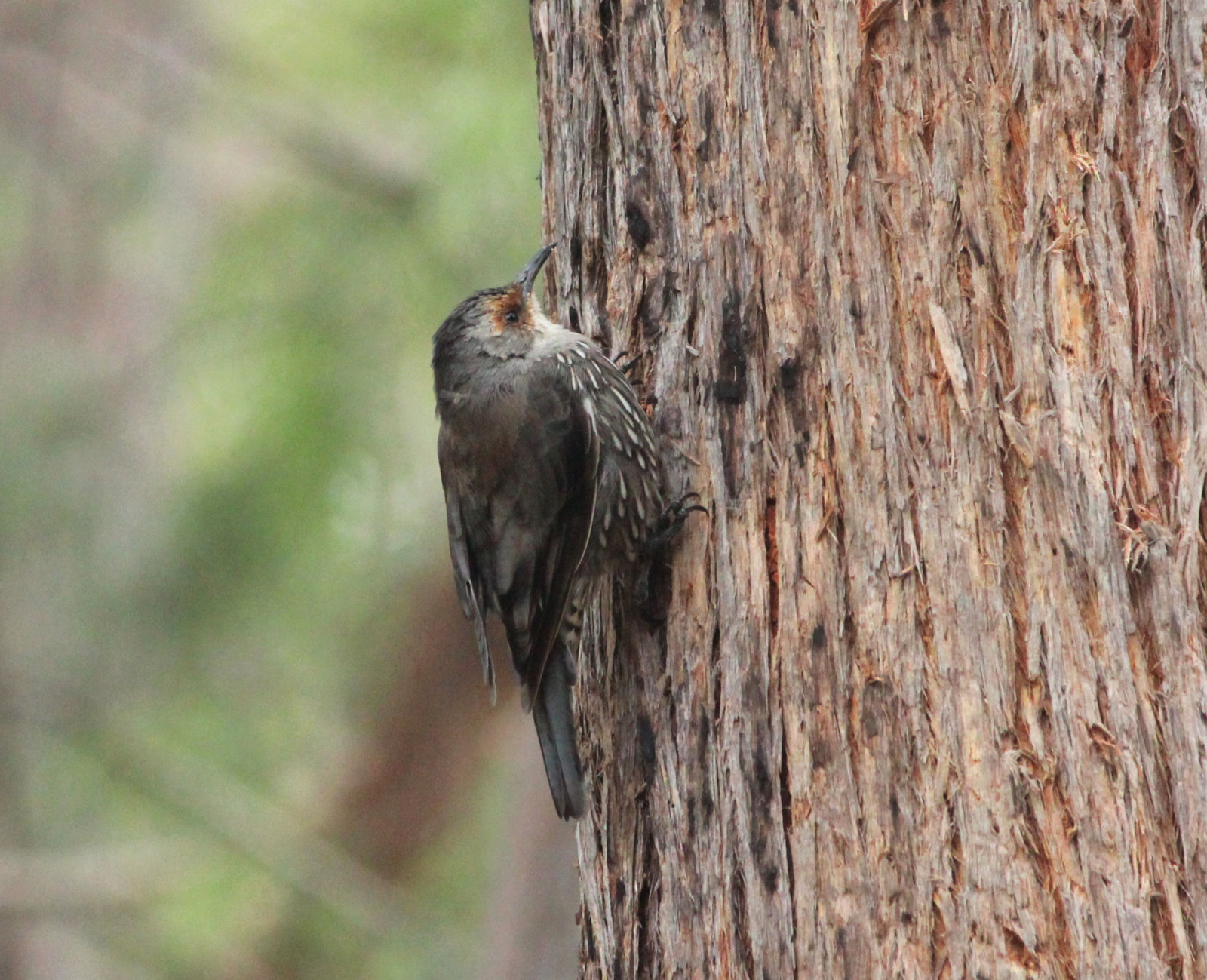
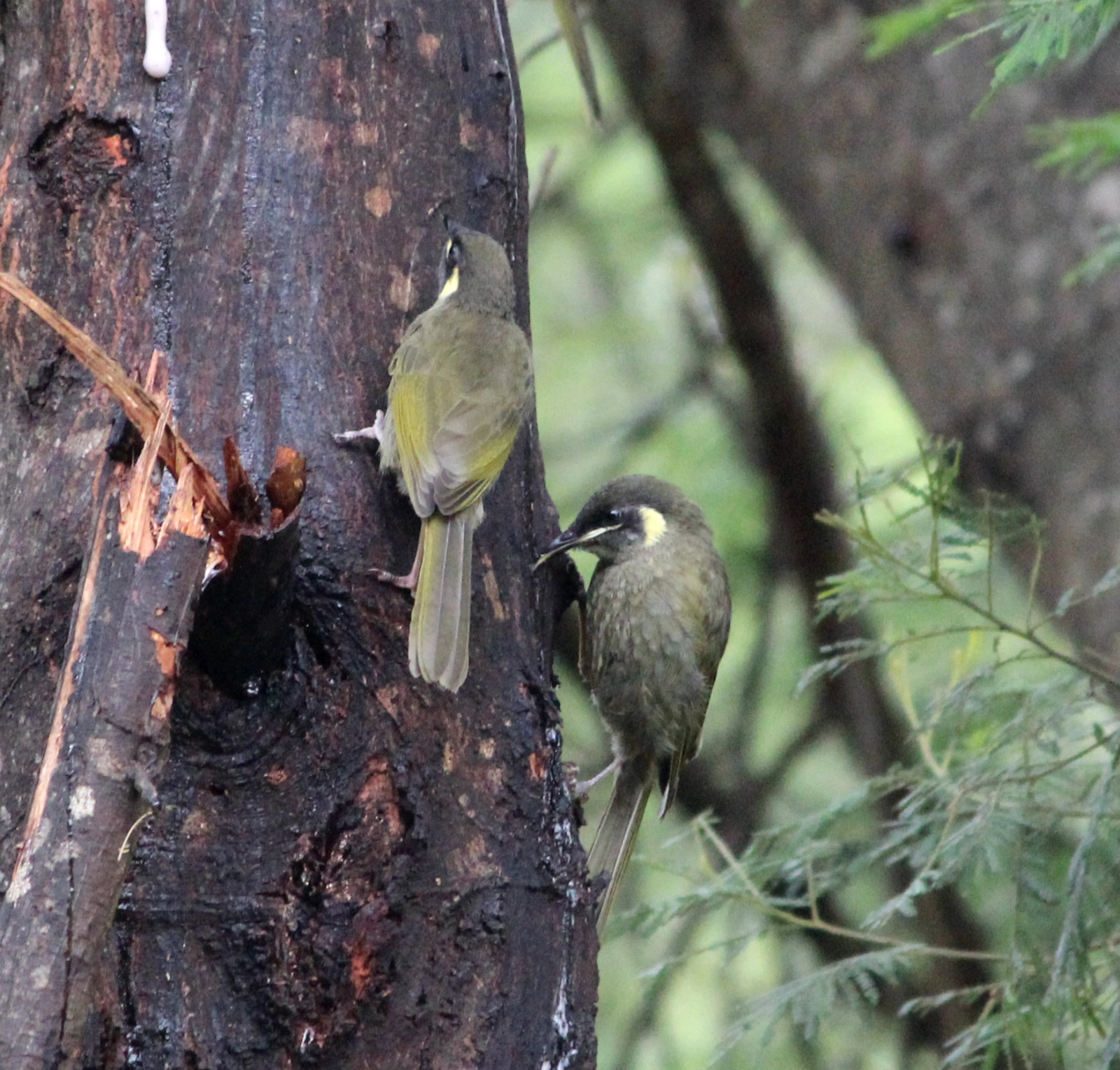
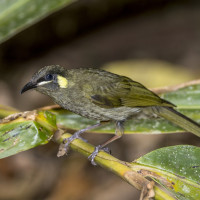
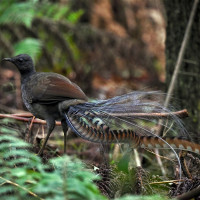
Likely residents include Superb Lyrebird, Satin Bowerbird, Eastern Whipbird, Wonga Pigeon, Lewin's Honeyeater, Eastern Spinebill, Yellow-faced Honeyeater, Australian King-Parrot, Brown Gerygone, Golden Whistler, Grey Shrikethrush and Brown Goshawk. If you’re lucky Red-browed Treecreeper, Bassian Thrush, Rose Robin or Eastern Shrike-tit may be present.
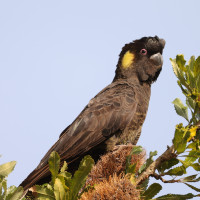
Yellow-tailed Black-Cockatoo, Gang-gang Cockatoo are possible and Crimson Rosella is likely.
Spring migrants include Black-faced Monarch, Shining Bronze Cuckoo and Fan-tailed Cuckoo, Pacific Koel, Rufous Fantail, Olive-backed Oriole, Scarlet Honeyeater, and Sacred Kingfisher.
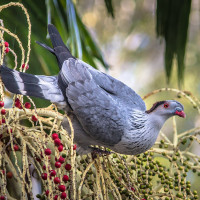
Far East Gippsland is the only part of Victoria where rainforest pigeons are likely, and this site has all the requirements: large and small fruiting trees and vines, particularly with purple and black berries. Best months are potentially December to June. Check carefully in any fruiting vegetation - most rainforest pigeons are quiet at that time of year, and surprisingly well camouflaged. Resident Wonga Pigeon will be on the forest floor, Topknot Pigeon and White-headed Pigeon in the canopy. Vagrants like Rose-crowned Fruit-Dove, Superb Fruit-Dove, Pacific Emerald Dove and Brown Cuckoo-Dove have not been recorded here yet, but have been seen nearby, so its just a matter of time.
They haven’t been recorded at this site yet, but Channel-billed Cuckoo is a regular summer visitor just up the road in Noorinbee. In summer also listen for Sahul Brush Cuckoo.
More rarely Beautiful Firetail, Olive Whistler and Pink Robin may be seen.
Details
Zugang
The Cann River Bushland Rainforest Walk is located directly west of the town of Cann River. Best access is by car. Press P on the map for directions. But if you are able to get a bus to Cann River, the walk starts only 750m from the bus stop.
From the Princes Highway take the road into the Cann River Rainforest Caravan Park (on the south side of the highway, and west of the Cann River bridge). A small unpaved vehicle track, signposted “Bushland Walking Track” branches off immediately to the right, that leads to the start of the walk. There is a small carpark after about 100m with picnic tables.
Toilets are available at the caravan park.
The walk is a completely flat loop of about 2.3 km. It runs along the Cann River for a good stretch, offering views of Australian Reed Warbler, ducks, Black Swan, Australasian Swamphen and Black-fronted Dotterel.
Another track extends north of the highway along the west bank of the Cann River and is also worthwhile. The unpaved vehicle track branches off just before (west of) the Cann River bridge, at the 50km/hr sign, and goes for about 1.5 km before a gate into private property. All this land is part of the Cann River Waterfront Reserve which extends further than the walking track, and also onto the east side of the river.
 ) Tragen Sie die Vogelnamen in Ihrer Sprache ein. Sie werden automatisch für andere Nutzer übersetzt!