

Description
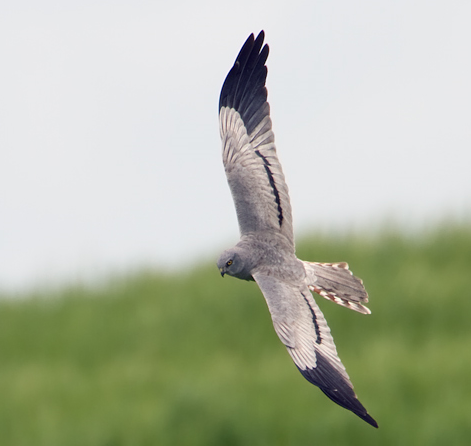
Lavajos de Sinarcas are formed by two small seasonal lagoons. Very important habitats in the area for being breeding areas and refuge for relevant species of flora and fauna. Surrounded by traditional agriculture, especially vineyards; and the proximity to different geographical elevations with dense pine forests allows the opportunity to see birds from different ecosystems. In addition, it is a refuge for very rare plant species such as Eleocharis multicaulis or the four-leaf clover Marsilea strigosa; and of different species of amphibians and reptiles such as Pelobates cultripes, Pleurodeles waltl or Natrix Maura. Among the birds you can see here are Gåsegrib, Middelhavs-stenpikker and Hedehøg.
Details
Access
Take the motorway A-3 and take the exit Utiel Este in the KM 278. When arrive to the round take the third exit direction Teruel, N-330. Drive during 21 Km until arrive to Sinarcas village.
You can park in the village since the first lagoon is very close to the village. From the town hall the distance of the circular route is about 9km and can be done by foot, bike or car. If you want a shorter route the first lagoon is to 3km and the second is 4 km far, then you can back.
If you don´t want to walk, drive during 2,3 km across the N-330 and turn right taking an unpaved way, then turn left at 160m, drive during 150 m and you see on the left the Lavajo del Jaral or Lavajo de abajo. If you continue the way, you will find the second lagoon called Lavajo del Tío Bernardo or Lavajo de Arriba at 900 m.
Terrain and Habitat
Wetland , Steppe , Agriculture , Scattered trees and bushesConditions
Flat , Open landscapeCircular trail
YesIs a telescope useful?
NoGood birding season
All year roundBest time to visit
Spring , Spring migration , Autumn , Autumn migrationRoute
Unpaved road , Wide pathDifficulty walking trail
EasyAccessible by
Foot , Bicycle , CarBirdwatching hide / platform
NoExtra info
The area is part of a ZEPA and LIC zone.


 ) to insert bird names in your own language. The birdnames will automatically be translated for other users!