
Description
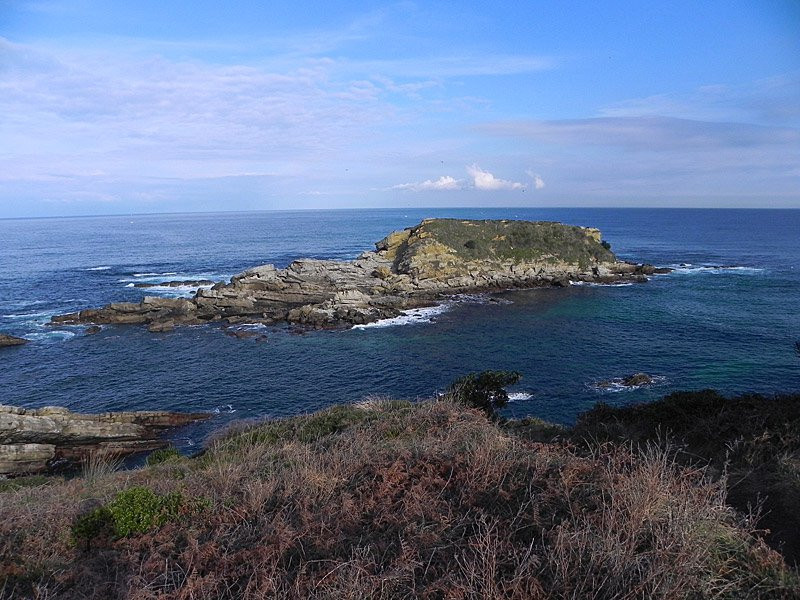
When there is a storm at sea, many species of seabirds take refuge at Cabo de Higuer. Several Topskarv can regularly be seen on the island of Amuitz and the coastal waters are frequently visited by Sule, Splitterne and Sølvmåge. The forest vegetation is rich in forest species such as Munk, Rødhals, Solsort, etc.
_________________________
Espagnol: Cabo Higuer es el cabo más oriental del Cantábrico y el extremo más noroccidental de los Pirineos. Desde aquí parte el sendero pirenaico GR-11. Cuando hay temporal en alta mar, muchas especies de aves marinas se refugian aquí. Habitualmente pueden verse varios ejemplares de Topskarv en la isla de Amuitz y con cierta frecuencia la costa es sobrevolada por Sule, Splitterne, Sølvmåge. Entre la vegetación boscosa abundan las especies forestales como Munk, Rødhals, Solsort, etc.
Details
Access
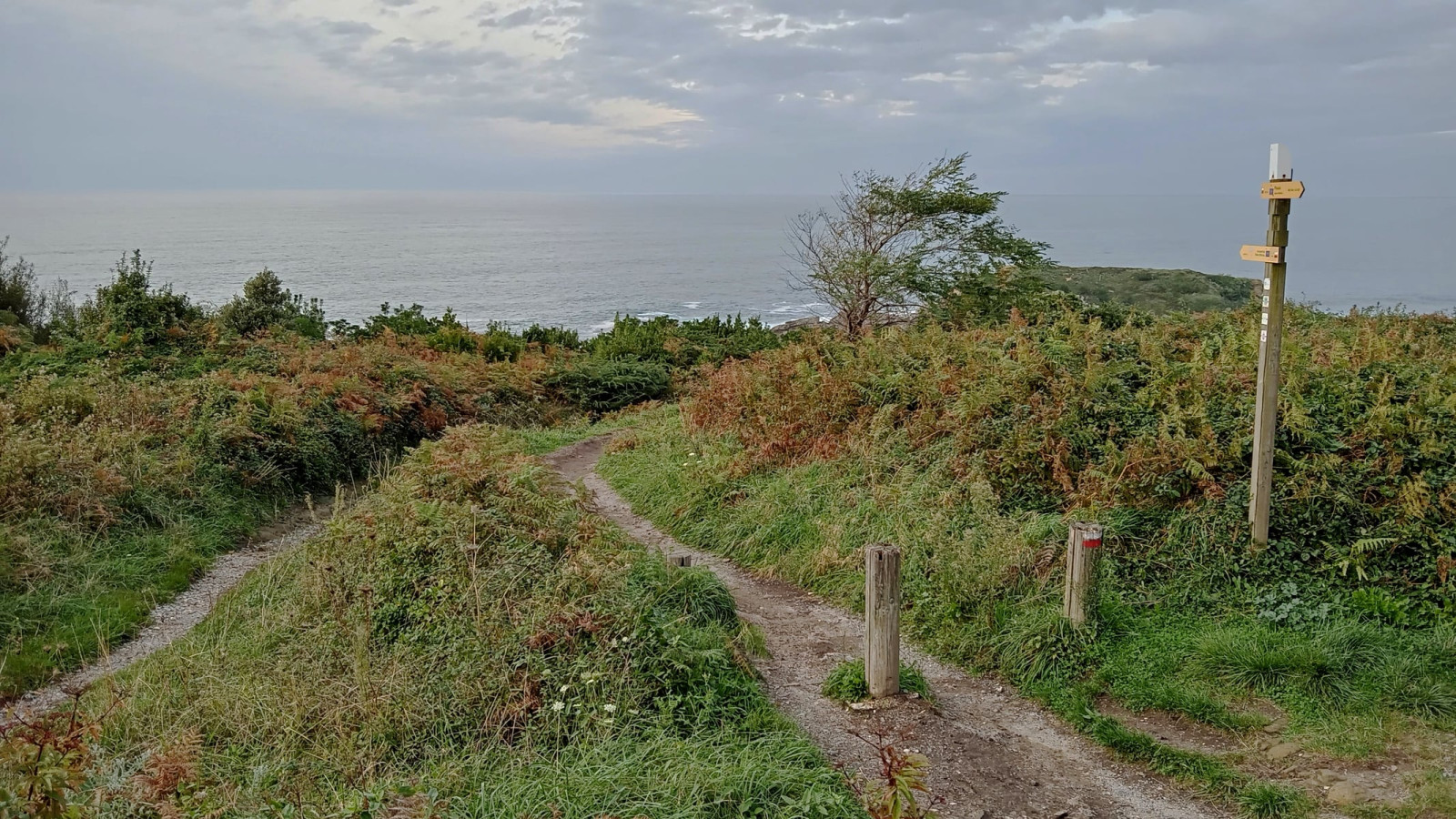
You can get to Cabo de Higuer by car from the fishing port of Hondarribia. You can park in front of the Faro de Higuer campsite. Press P on the map for directions. From there, a path runs along the lighthouse and either leads to the coves or straight ahead. Just when the path becomes steeper, you have some unbeatable views of the island of Amuitz. This is the observation point. With a telescope you can easily see the birds perched on the island: Topskarv, Skarv, Sølvmåge, Middelhavs-sølvmåge and those flying along the coast: Sule, Splitterne and others.
_________________________
Espagnol: Se llega en coche viniendo desde el Puerto Pesquero de Hondarribia. Se puede aparcar frente al Camping Faro de Higuer. Desde ahí, un camino bordea el faro y se dirige o bien a las calas, o bien de frente. Justo cuando el caminito de vuelve más abrupto tenemos ante nosotros uns vistas inmejorables de la isla de Amuitz. Éste es el punto de observación. Con el telescopio se ven con facilidad las aves posadas en la isla: Topskarv, Skarv, Sølvmåge, Middelhavs-sølvmåge y las que sobrevuelan la costa: Sule, Splitterne y otras.


 ) to insert bird names in your own language. The birdnames will automatically be translated for other users!