


Description
Wysokie Hill is easy-to-see, it is the highest point in the area. Barren at the top, covered mostly by meadows from SW and NE, by larch forest culture from SE and mixed shrubbery with trees from NW.
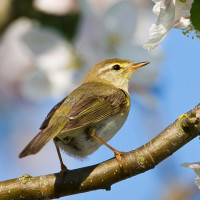
The meadows are nesting places of Sanglærke and Gulspurv. Larch forest edges have great concentrations of singing Løvsanger and Skovpiber. Shrubbery from NW is home to Turteldue, Høgesanger, Tornsanger, Gærdesanger and Jernspurv. Sometimes the area gets visited by Hvidrygget Flagspætte.
Many birds of prey can be seen regularly hunting in areas below: Lille Skrigeørn, Rørhøg, Hedehøg, Spurvehøg, Musvåge, Tårnfalk and during winter also Blå Kærhøg and Fjeldvåge.
There is a chance to see some other species during migration, i.e.: Hvepsevåge, Aftenfalk and Vandrefalk.
Other common species: Gøg, Hvid Stork, Stor Flagspætte, Rødrygget Tornskade, Stor Tornskade, Skovskade, Ravn, Sortmejse, Sumpmejse, Fyrremejse , Græshoppesanger, Landsvale, Halemejse, Munk, Fuglekonge, Træløber, Sjagger, Bynkefugl, Vestlig Sortstrubet Bynkefugl, Kernebider, Tornirisk, Stillits.
Details
Access
Accessible from Nowosielce and Pielnia villages - by foot/bike/car/etc. Public transport to these villages limited to buses from Sanok or Krosno. Best to explore by foot, eventually by bike or 4x4 vehicle (not advised and may be problematic). Best to leave larger vehicles somewhere in a village and enjoy the trail by-foot. Field roads are rather dry and don't require rain boots.
Terrain and Habitat
Scattered trees and bushes , Forest , Grassland , Plateau , Valley , Plain , AgricultureConditions
Hilly , Dry , Open landscape , DustyCircular trail
YesIs a telescope useful?
Can be usefulGood birding season
All year roundBest time to visit
Spring migration , Autumn migration , Summer , SpringRoute
Unpaved road , Wide path , Narrow trailDifficulty walking trail
Average walkAccessible by
Foot , BicycleBirdwatching hide / platform
NoExtra info
There aren't really any species here that'd require audio stimulation to show up. Please, avoid doing so. Different birds of prey can be seen during different parts of the day (usually smaller species in the morning and afternoon, larger show up when air is warm enough to soar).
Hazards: ticks, deep snow (winter). Keep in mind presence of other people (hunters, off-road enthusiasts, deltatrike/plane enthusiasts, wanderers), especially during weekends it can get quite busy.



 ) to insert bird names in your own language. The birdnames will automatically be translated for other users!