Description
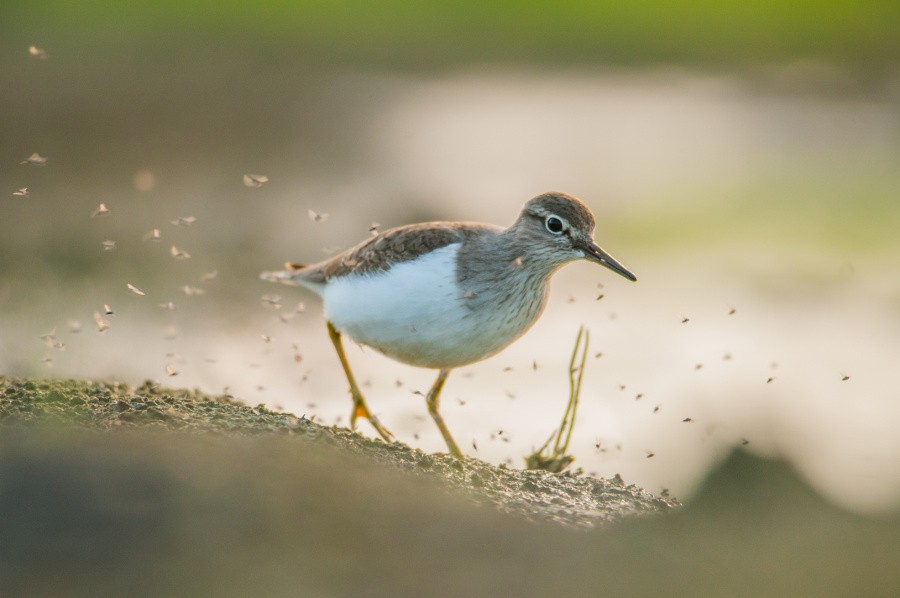
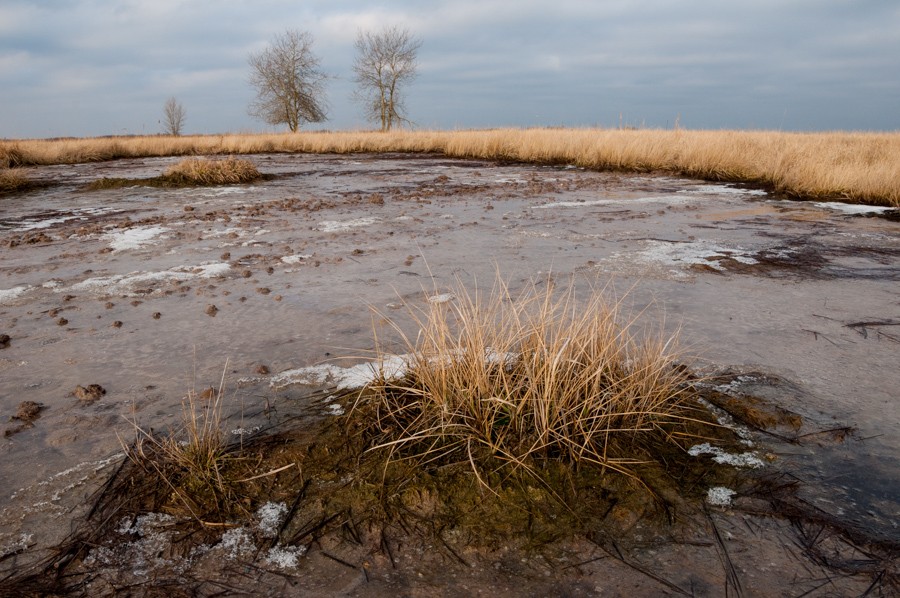
Obszar Dawnej Kopalni Siarki Jeziórko is a vast open area with 19 ponds, several hundred hectares of meadows, reed beds and wetlands in post-mining sinkholes. Over 200 species of birds (115 breeding birds) have been observed here. It is an excellent place to observe the breeding gulls such as Hættemåge, Kaspisk Måge, Sorthovedet Måge and waders like Rødben, Lille Præstekrave and Storspove. Also other water birds and herons can be seen here like Lille Rørvagtel, Plettet Rørvagtel, Vandrikse, Blishøne, Engsnarre, Dværghejre and Rørdrum.
During spring migration, you can observe flocks of geese (up to several hundred individuals) Grågås, Blisgås, Tundrasædgås, Dværggås and Bramgås, ducks (up to several thousand) Hvidøjet And, Spidsand, Rødhovedet And, Troldand and Taffeland, etc.
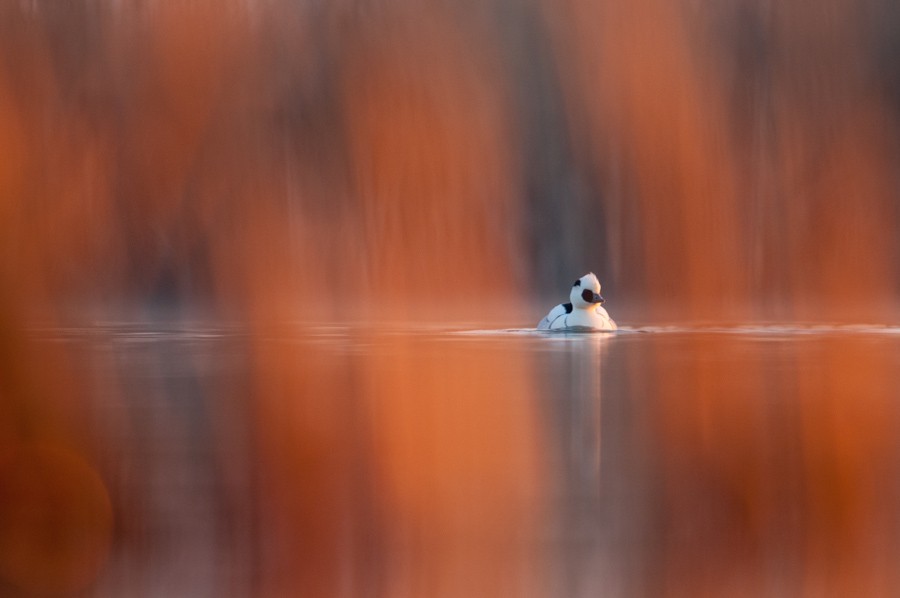
In late autumn, regular groups of Lille Skallesluger (the largest in the region), as well as Sortstrubet Lom, Rødstrubet Lom and Toppet Skallesluger can be seen. In winter you can regularly observe, among others Blå Kærhøg, Fjeldvåge and Havørn. Among the owls observed in this area, Mosehornugle and breeding and Skovhornugle should be mentioned. It's worth having a telescope with you, but with the binoculars only you can easily see most species.
Details
Access
The easiest way to get to the Jeziórka area is from the Grębów - Tarnobrzeg road. The oldest post-mining ponds are already visible from the road, an asphalt road leads deep into the area (further on, shallow and gravel). You can also enter or walk from the side of Wydrza on a gravel road (turn after the Primary School in Wydrza).
A very convenient means of transportation is by bike, but you might as well get there by car or hitchhike and just walk around the whole area.



 ) to insert bird names in your own language. The birdnames will automatically be translated for other users!