.jpg)
Description
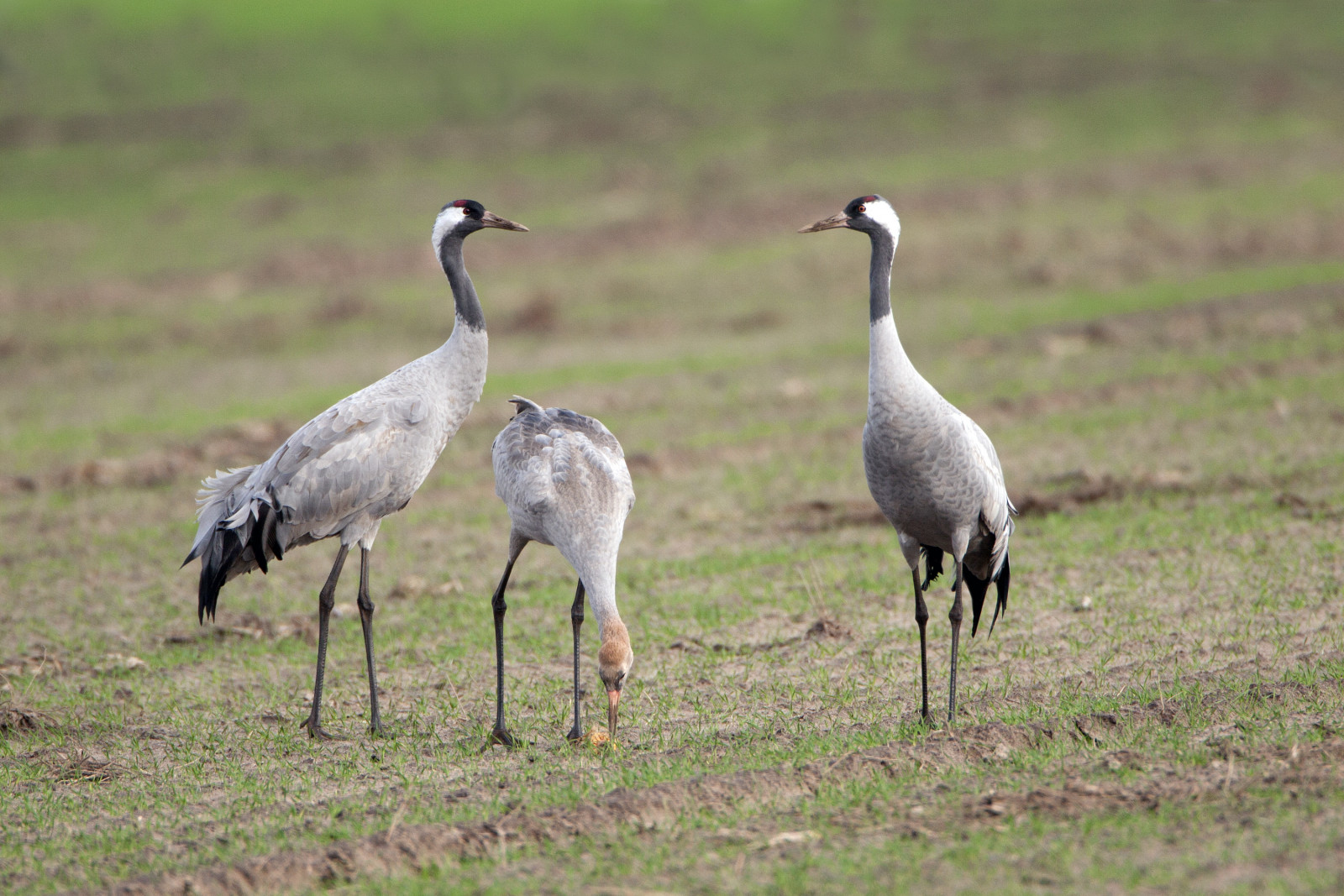
Engbertsdijksvenen is still a remnant of a former large raised bog area. The area still has a piece of bogland that has remained. Active peat is still growing there. In addition to peat bogs, the area consists of wet heathland with a few small birch forests at the edge. In wintertime you can see husta tundrová, ťuhýk šedý, moták pilich, and sometimes jeřáb popelavý. In spring and summer it is possible to see ťuhýk obecný, Žluva hajní, kukačka obecná, bekasina otavní, Chřástal vodní. In this area you can also see common European vipers, smooth snake, and tree frogs.
_________________________
Nederlands: De Engbertsdijksvenen zijn een overblijfsel van een voormalig groot hoogveengebied. Een klein stuk van het oorspronkelijke hoogveen is bewaard gebleven. Daar groeit nog steeds actief veen. Het gebied bestaat naast veenmoerassen uit natte heide met aan de rand enkele kleine berkenbossen. In de winter zie je husta tundrová, ťuhýk šedý, moták pilich en soms jeřáb popelavý. In het voorjaar en de zomer is het mogelijk om ťuhýk obecný, Žluva hajní, kukačka obecná, bekasina otavní en Chřástal vodní te zien. In het gebied kun je ook adders, gladde slangen en boomkikkers zien.
Details
Access
You can park your car on both sides of the area (see map). The Engbertsdijksvenen can best be explored on foot. There are two birdwatching hides : Vogelkijkhut de Pluus and vogelkijkscherm 't Krik-eantie (see map for locations).
_________________________
Nederlands: Je kunt aan beide zijden van het gebied parkeren (zie plattegrond). De Engbertsdijksvenen kun je het beste te voet verkennen. Er zijn twee vogelkijkhutten: Vogelkijkhut de Pluus (eigenlijk meer een soort verhoogd uitkijkpunt) en vogelkijkscherm 't Krik-eantie (zie plattegrond voor locaties).


 ) to insert bird names in your own language. The birdnames will automatically be translated for other users!