
Description
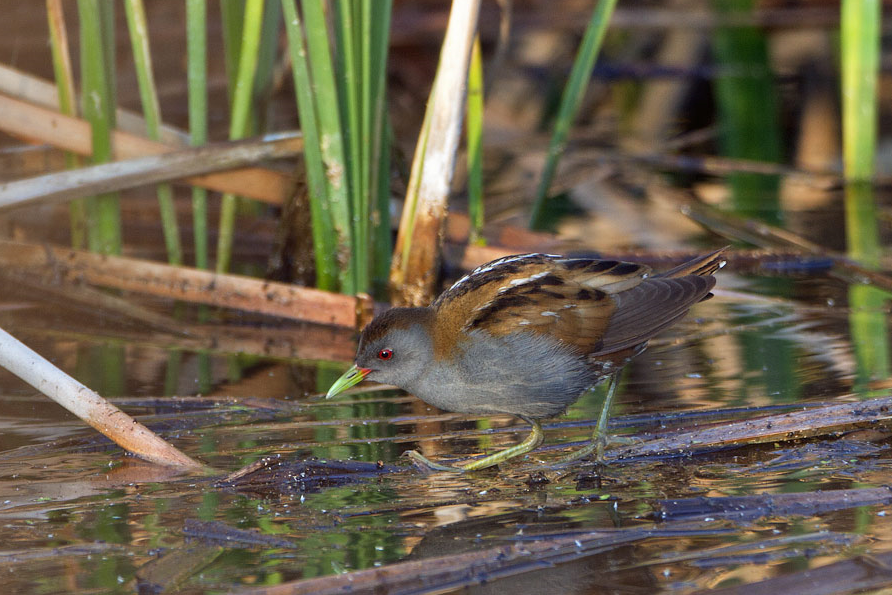
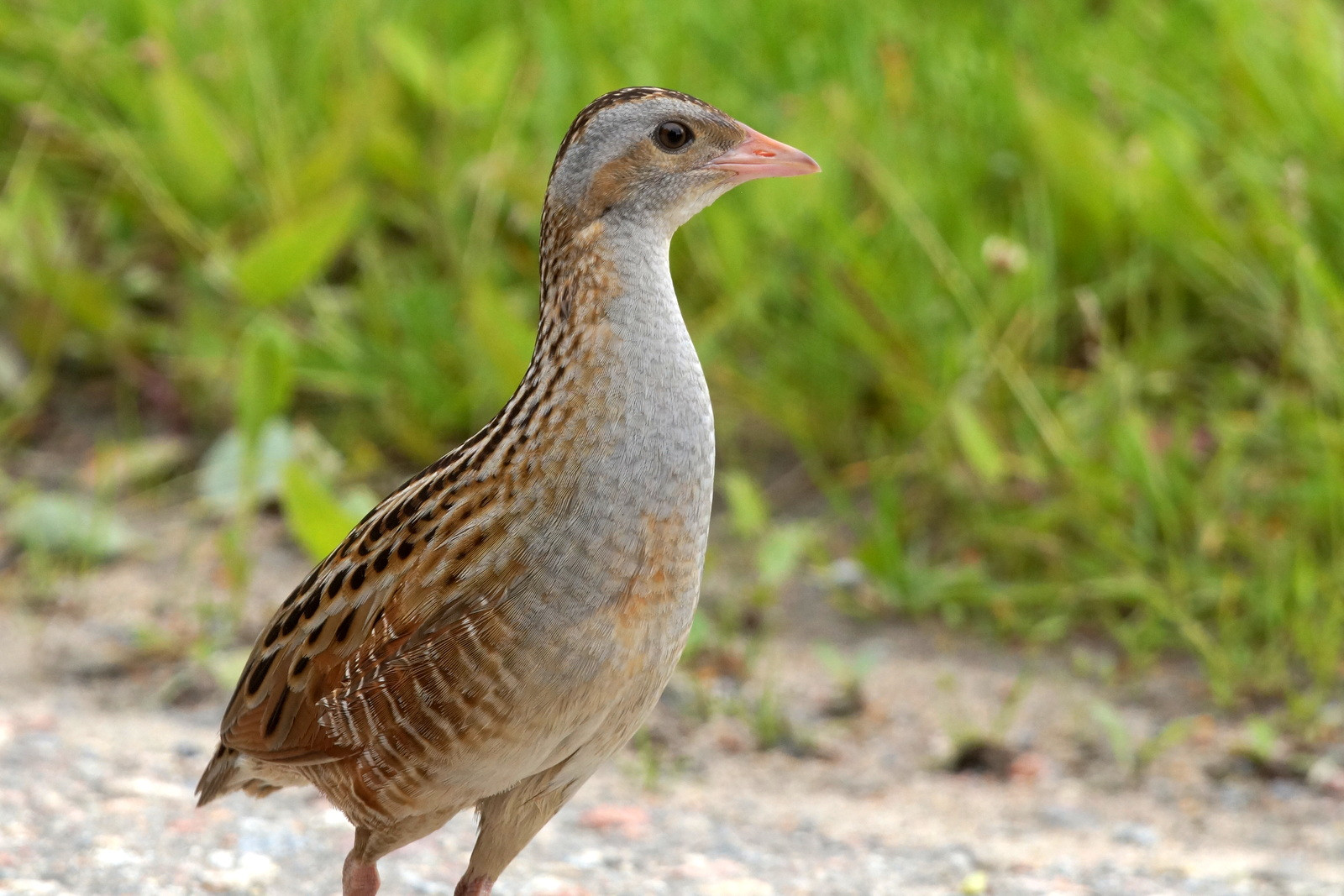
Zuvintas wetland (6940 ha) is a natural complex, covering a small human-influenced, very natural variety of swamps and a big shallow lake. This lake is only 0.6 m in depth and is one of the most important places in Lithuania for birds. Here the populations of moták pochop, chřástal malý, jeřáb popelavý and slavík modráček are the largest in the country. During migration there are huge amount of jeřáb popelavý, geese, ducks, sandpipers and other flocks of birds. Zuvintas wet meadows - is one of two locations in Lithuania, where the extremely rare, globally endangered rákosník ostřicový can be found. Around the lake also chřástal polní can be heard and if you are extremely lucky seen. In the last 30 years, 234 bird species have been observed in Zuvintas. For birding it is best to visit the area in spring and in the first half of summer.
Details
Access
Although it is certainly a place worth visiting, especially for its beauty, there is only one accesible place, the observation tower near the reception center, which is reached by a wooden path in very bad condition (be careful here). Being a fairly large lake, you will need a telescope to be able to watch birds.
Terrain and Habitat
WetlandConditions
Flat , Wet , Open landscapeCircular trail
NoIs a telescope useful?
YesGood birding season
Spring , AutumnBest time to visit
Spring , Autumn , Autumn migration , Spring migrationRoute
Paved road , Wide path , Narrow trail , Unpaved roadDifficulty walking trail
EasyAccessible by
Foot , Bicycle , CarBirdwatching hide / platform
YesExtra info
Information added by user Gulliver: Spring and Autumn are good times to observe large flocks of geese and ducks. But in summer, almost all migratory songbirds have gone and only low numbers of birds remain in the lake: kormorán velký, kachna divoká, čejka chocholatá, husa velká, volavka bílá, moták pochop, etc. August is a good time to see orel mořský in their perch in the opposite shore of the lake (telescope). In the surrounding cultivated fields you will be able to see koroptev polní, jeřáb popelavý, čáp bílý, strnad obecný, bramborníček hnědý and ťuhýk obecný.




 ) to insert bird names in your own language. The birdnames will automatically be translated for other users!