

Description
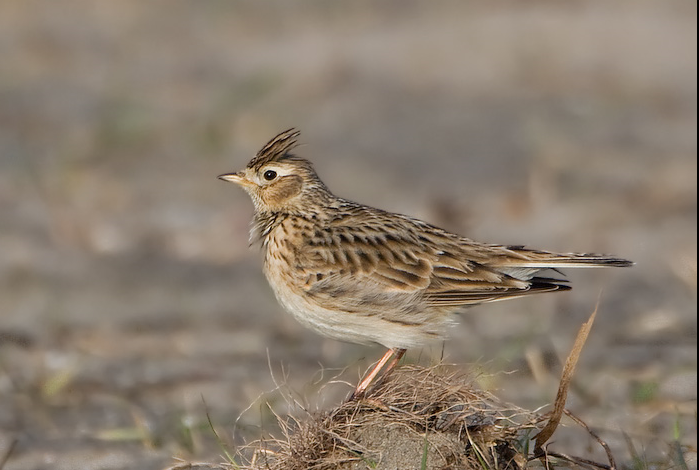
The Shannon Callows (Irish: Caladh na Sionainne) are areas of flat land along the shores of the River Shannon. The Callows represent the largest unregulated floodplains in north-west Europe. Many of the diverse habitats depend on traditional agricultural practices to support the wildlife that flourishes here. Protection of the Callows is particularly important due to the many species of birds. Recorded are, amongst others, břehouš černoocasý, koliha velká, kulík zlatý, čejka chocholatá, skřivan polní, vodouš rudonohý, pisík obecný, labuť zpěvná and hvízdák eurasijský. 80% of the Irish population of bramborníček hnědý lives in the area. In winter this reserve is under the river Shannon and in summer the island is one great swaying sea of hay.
Details
Access
One of the places where access to the Callows is possible is near Shannon Harbour, where parking is available and tracks lead out onto the land. The Callows are only accessible in the summer months and on foot. The Callows are privatly owned farmland, so please do not walk on the grassland and stay on the tracks at all times. In winter the Callows are flooded and only views from surrounding roads are possible.
Terrain and Habitat
Wetland , Grassland , RiverConditions
Flat , Open landscapeCircular trail
NoIs a telescope useful?
Can be usefulGood birding season
All year roundBest time to visit
SpringRoute
Paved roadDifficulty walking trail
EasyAccessible by
Foot , BicycleBirdwatching hide / platform
NoExtra info
The area was one of the most important breeding areas for chřástal polní in Ireland and the local farmers supported a project to mow the callows later in the summer to give the birds the chance to rear a second brood. However, the early summer flooding which became predominant stopped the chřástal polní breeding at all, the chřástal polní being said the first bird to be extirpated from Shannon system due to climate change.


 ) to insert bird names in your own language. The birdnames will automatically be translated for other users!