Description
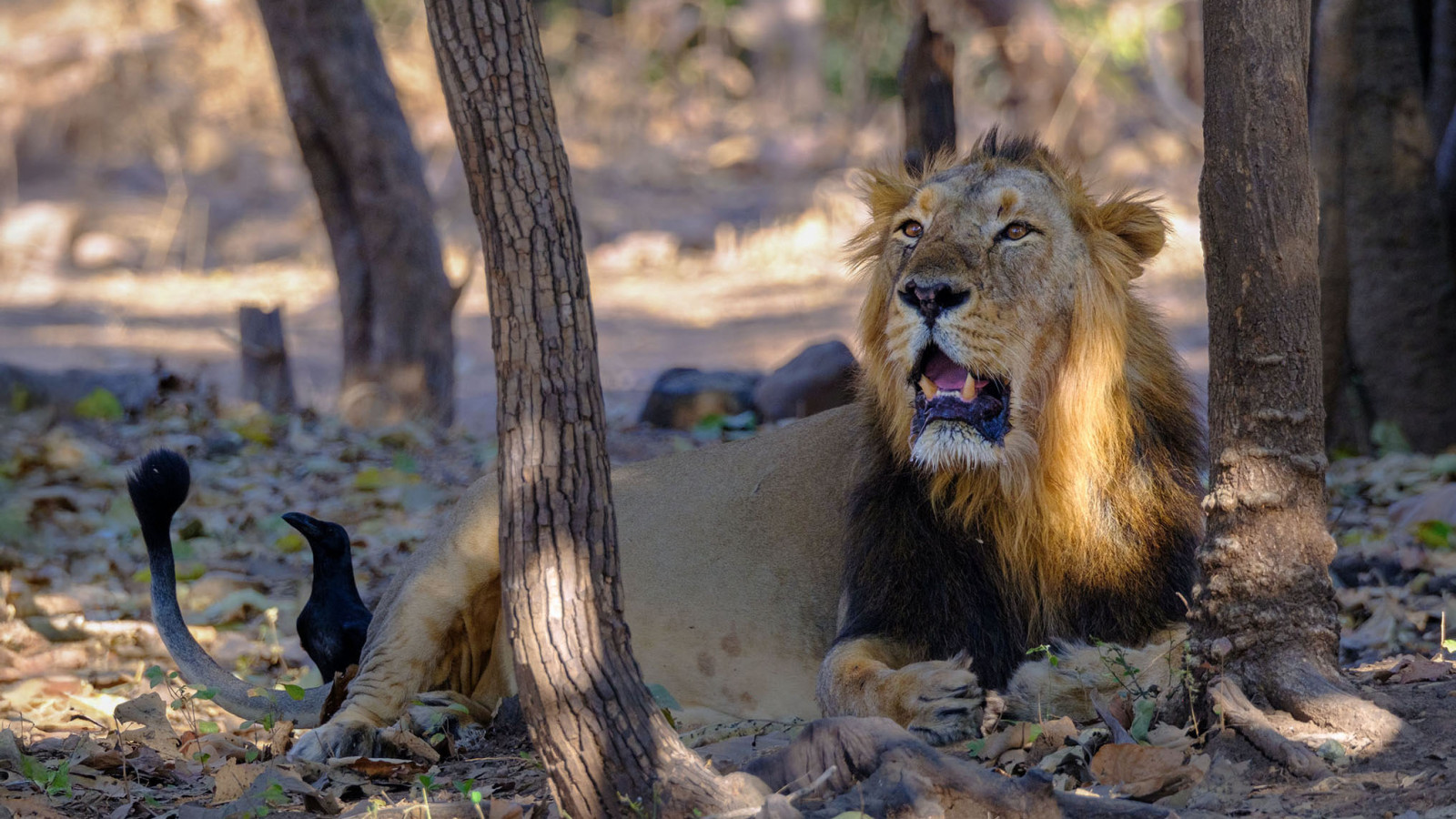
Gir National Park is the only place in the world where you can see Asiatic lions roaming freely in the wild. Alongside lions, Gir is home to leopards, striped hyenas, jackals, and jungle cats. Large herbivores such as chital (spotted deer), nilgai, sambar, and wild boar roam the grasslands and forests. The landscape is a mix of dry deciduous forest, scrubland, grassland, and rocky hills, with rivers flowing through it. The park closes during the monsoon season from June to October to allow the ecosystem to regenerate and to give animals a safe breeding period.
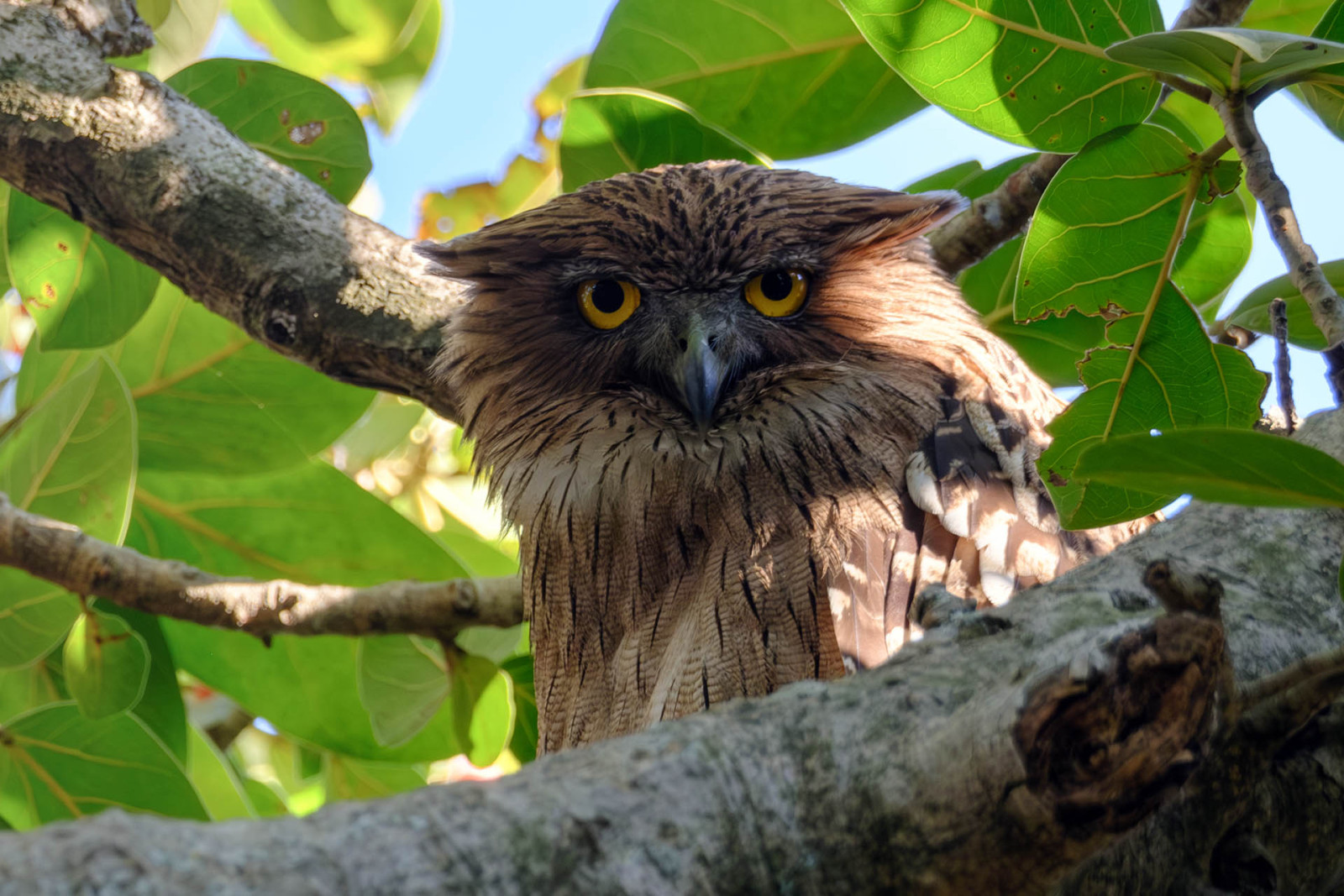
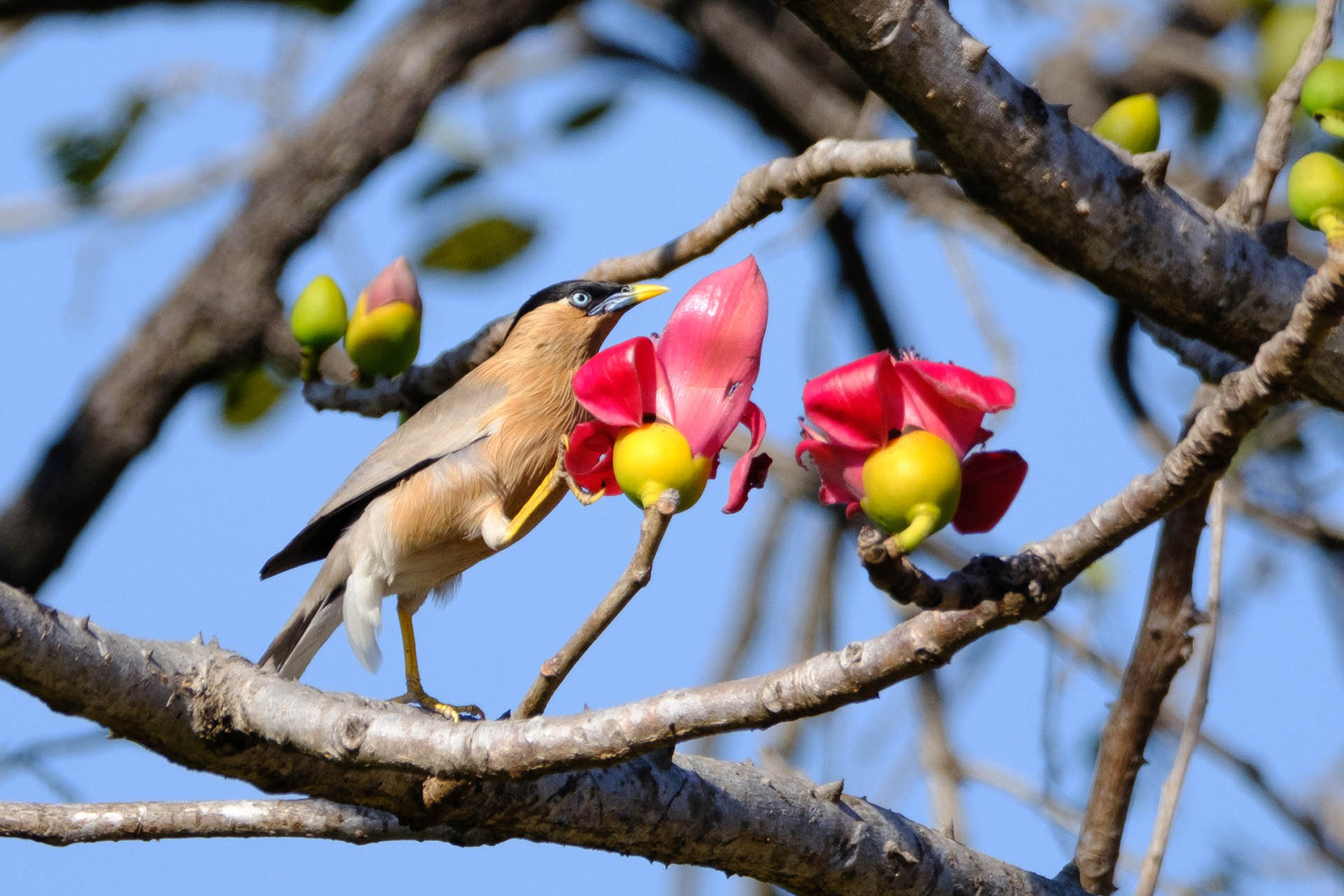
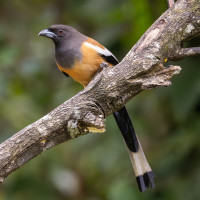
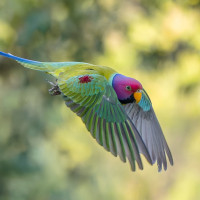
While famously known for its lions, Gir national Park is a prime destination for birdwatching, especially during the winter months when migratory birds arrive. Gir is an Important Bird Area (IBA), hosting over 300 species of birds, most of which are residents. Gir's bird population includes great variety of birds of prey and forest birds. Key sightings for birders include Indian Pitta, Crested Serpent-Eagle, Changeable Hawk-Eagle, White-eyed Buzzard, Oriental Honey-buzzard, Indian Vulture, Red-headed Vulture, Brown Fish-Owl, Mottled Wood-Owl, Indian Scops-Owl, Brahminy Starling, Brown-capped Pygmy Woodpecker, Black-rumped Flameback, Plum-headed Parakeet, Crested Treeswift and various flycatchers and babblers.
Details
Access
Gir National Park is situated in the Saurashtra region of Gujarat, the park spans across parts of the Junagadh, Gir Somnath, and Amreli districts. It is about 65 km southeast of Junagadh city. The primary way to explore the core forest is via a 3-hour open-jeep safari led by a trained guide. Safaris must be booked online in advance. Book safaris for early morning or late afternoon, as these are the best times for bird activity.
The park is closed during the monsoon season (June to October), so the best months to visit are December through March, when the weather is pleasant.

 Jacques Popinet.jpg)
 ) to insert bird names in your own language. The birdnames will automatically be translated for other users!