
Description
The Lluta River mouth (Desembocadura Río Lluta) is a place where the desert suddenly changes into a wetland. Just before the river Lluta meets the Pacific, the landscape opens into a fan of lagoons, reedbeds, mudflats and quiet backwaters. Against the backdrop of the Atacama’s dryness, the wetland feels almost miraculous, a green, breathing interruption in hundreds of kilometres of arid coast. It is one of the very few wetlands along a vast desert coastline, a stepping stone for many migratory birds.
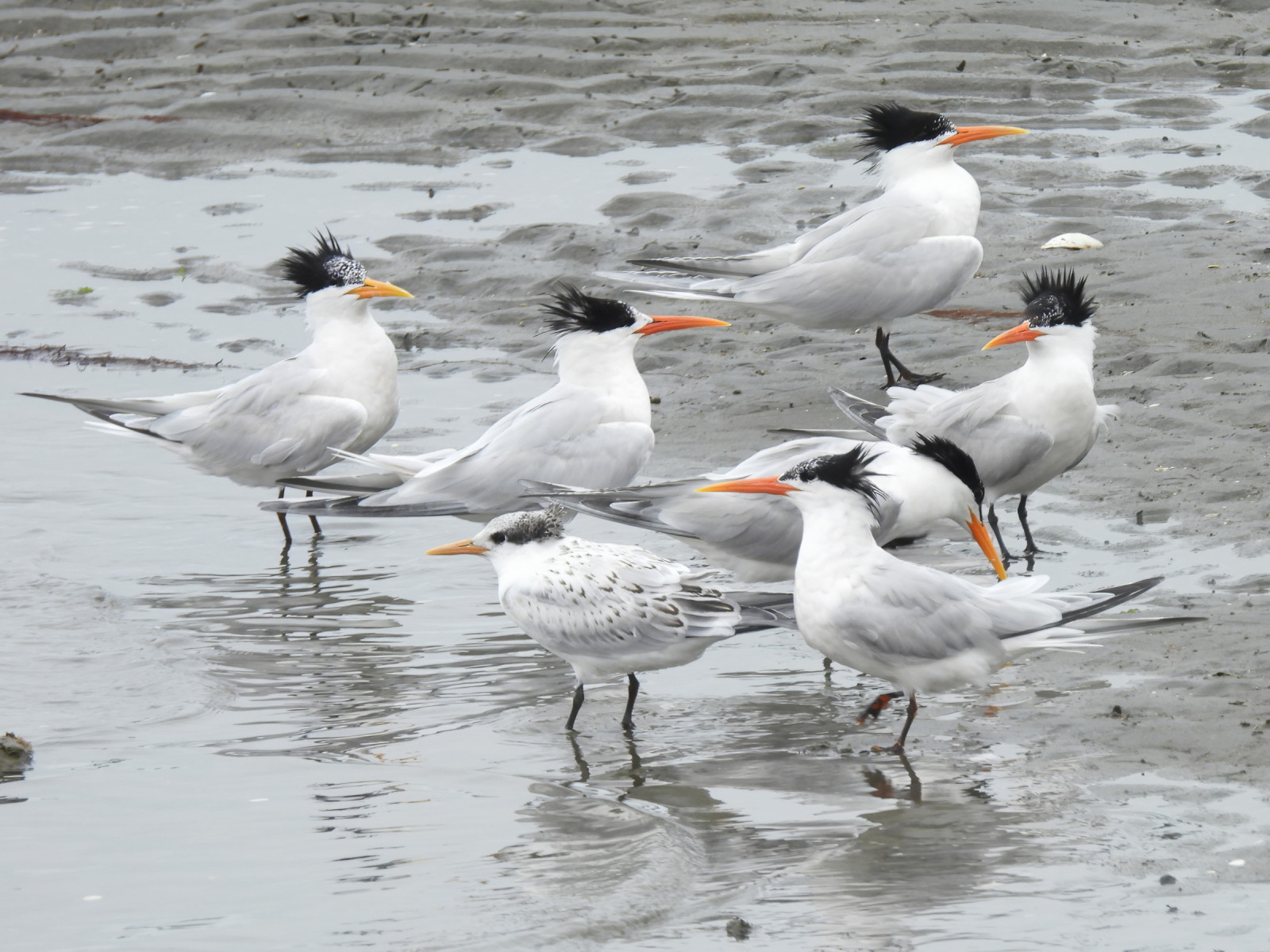
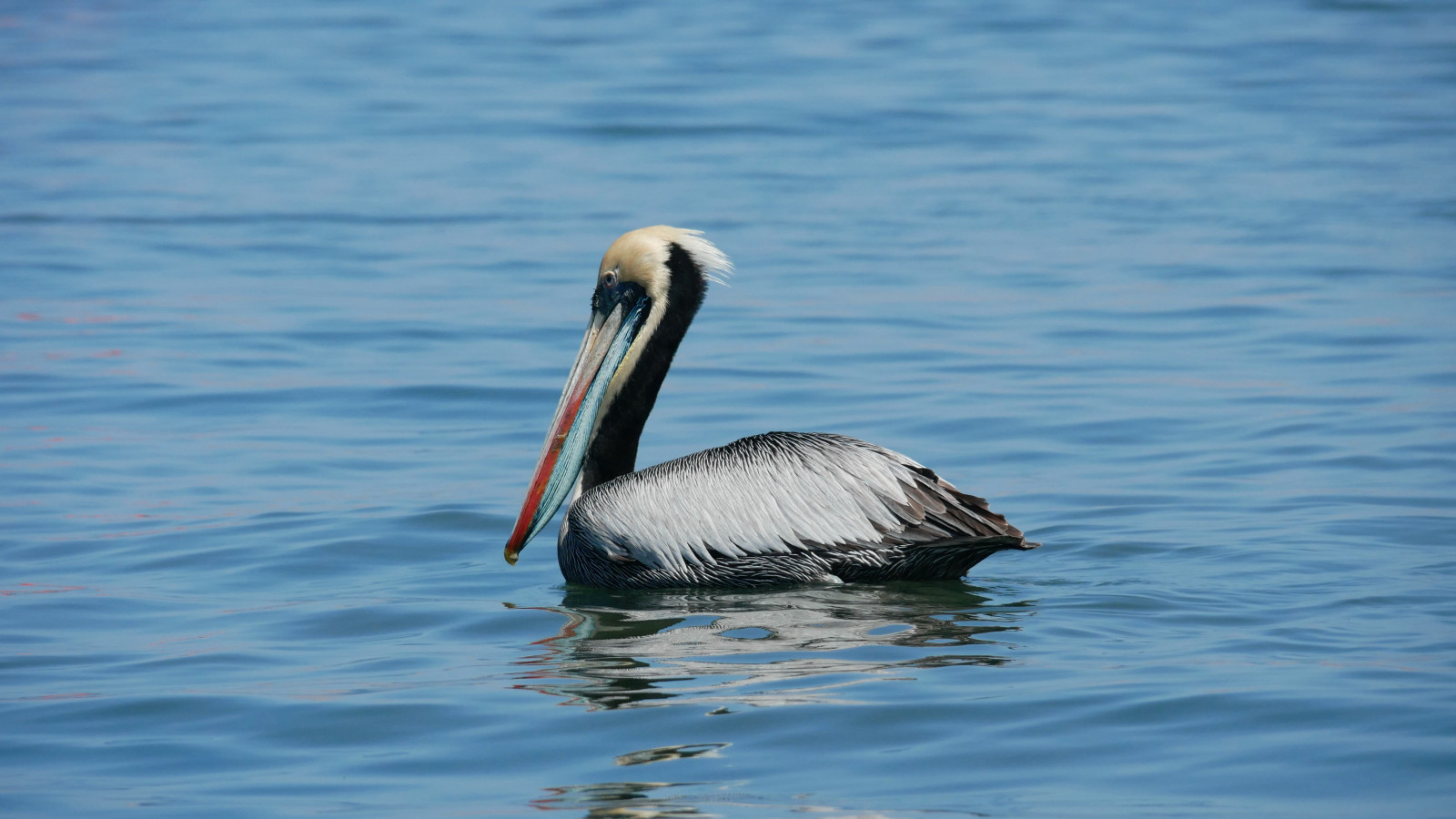
You can find shorebirds, herons, gulls, terns and other birds. Flocks of Baird's Sandpiper run along the mud, Peruvian Pelicans gliding low over the river mouth. In the reedbeds many smaller birds can be found. In the austral summer (December–March), migrants from the Arctic arrive in astonishing numbers to the mudflats. In winter (June–August), birds from the high Andes like Giant Coot (rare) and Puna Teal (common) descend to the coast, seeking gentler temperatures. Throughout the year, resident seabirds like pelicans, boobies, herons and gulls stay in the river mouth or on the open ocean.
Details
Access
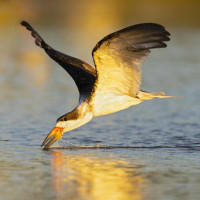
Desembocadura Río Lluta is located on the northern edge of the town of Arica, where the river meets the Pacific. The open part of the river mouth is where pelicans, gulls, terns and skimmers gather. You stand between river and ocean, with wide views and constant activity. For the inner lagoons and reedbeds you have to walk inland along the tracks along the river. The mudflats are best during migration and prime habitat for Baird's Sandpiper, plovers, and other boreal migrants in austral summer. Press P on the map for directions to a parking close to the river mouth.

 by ADJ82, CC BY-SA 4.0 httpscreativecommons.orglicensesby-sa4.0, via Wikimedia Commons.jpg)
 ) to insert bird names in your own language. The birdnames will automatically be translated for other users!