


Description
The White Stork breeding colony in Marchegg is located behind the castle. Just follow the signs leading to a path across a small bridge. Further nest sites are located on the roof of the castle and in the park around the castle so you can find different spots for great observations. The White Stork usually arrive at the end of March and occupy the old nests, which are then mended and prepared for the new season. In early April you can watch the storks displaying and mating and in May you can spot chicks in the nests. Later in summer one can observe the young ones learning to fly before they leave south in late August.
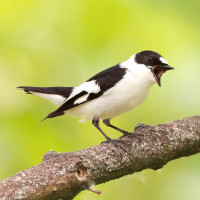
Apart from the watch tower next to the stork colony, there is a bird hide at a small lake, where Common Kingfisher is often seen. Spotted Flycatcher, Grey Heron and sometimes also Purple Heron can be found here as well, and if you are lucky you might spot a Common Tern on its migration. Throughout the forest you can find (or rather hear) amongst others, Eurasian Treecreeper, Collared Flycatcher, Blackcap, Common Chiffchaff and several species of woodpecker.
This area is also home to rare amphibians (e.g. Moor frog (Rana arvalis), European fire-bellied toad (Bombina bombina)) and the European beaver (Castor fiber). Moreover, Konik horses are bred here and can be seen in their paddock next to the lake or foraging through the forest.
Continuing on the dam to the east of the castle, the tour takes you to the March river where you can find different species of swallows and might spot Black Kite or Red Kite. Here the path turns to the south viewing a floodable meadow. European Serin, Yellowhammer, Greenfinch, Red-backed Shrike can be spotted here, among others.
Depending on the season, you can look for migrating waders at the small lake at the end of the circuit – or take a swim at its east side. You can take the same way back to the castle or stroll through the village back to the car park.
Details
Access
Best accessible by car. There is a car park next to Marchegg Castle.
Terrain and Habitat
Forest , Scattered trees and bushes , Lake , River , City/villageConditions
FlatCircular trail
YesIs a telescope useful?
Can be usefulGood birding season
Spring , SummerBest time to visit
Spring , SummerRoute
Wide pathDifficulty walking trail
EasyAccessible by
FootBirdwatching hide / platform
YesExtra info
There is a WWF infopoint where you can obtain folders pointing out itineraries through the WWF nature reserve and the riparian forest. It is also possible to join guided tours through the area between May and October. However, since the paths are well marked, you will easily find your way through the area even when the infopoint is closed.


 ) to insert bird names in your own language. The birdnames will automatically be translated for other users!